













Lethal maritime interdictions escalate as U.S. attack on suspected drug boat reaches 29
WASHINGTON — The United States has carried out its 29th lethal maritime interdiction since early September, with a U.S. attack on suspected drug boat leaving at least one person dead and underscoring a clear escalation in Washington’s counternarcotics operations in the Eastern Pacific.
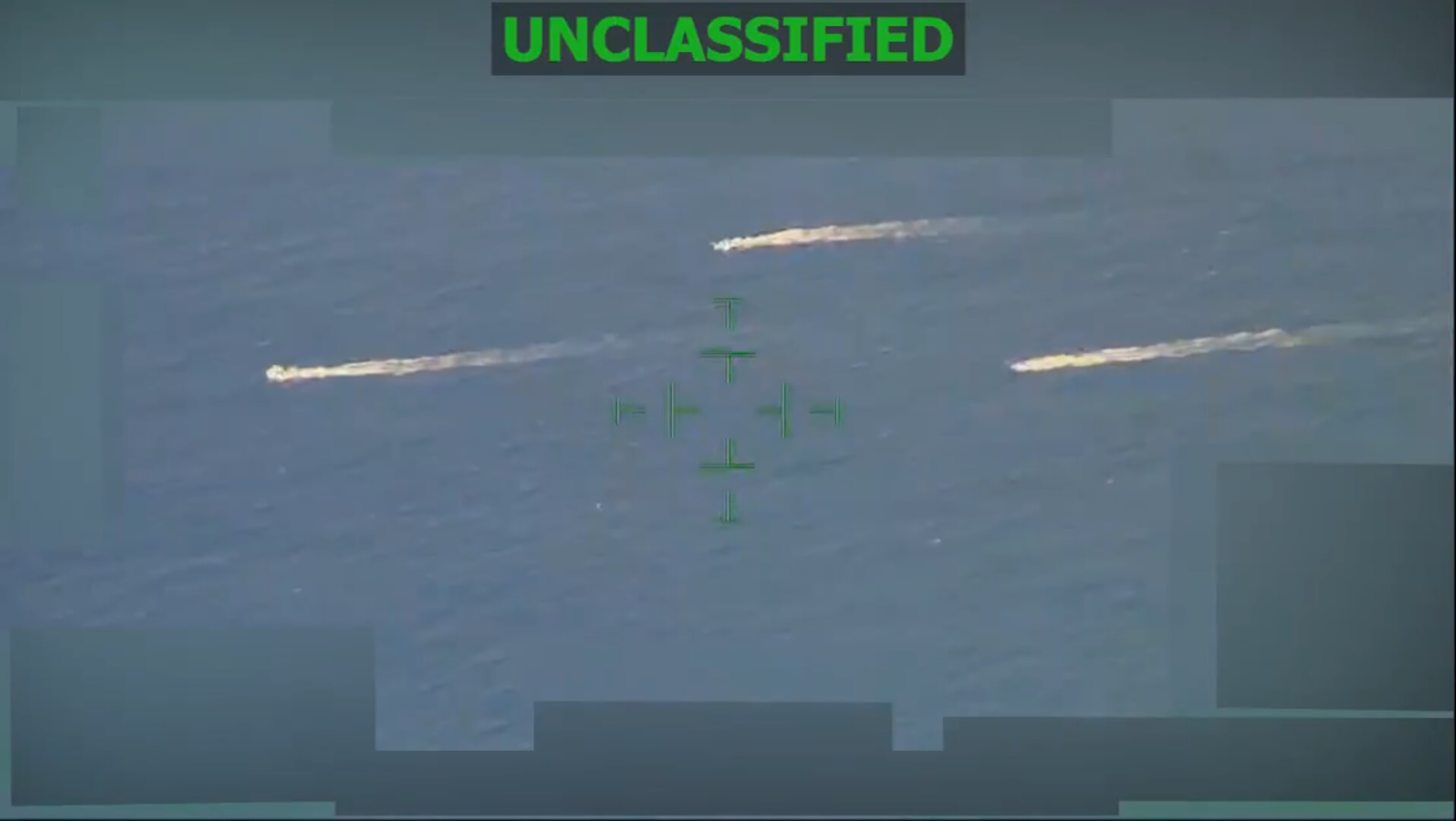
U.S. officials confirmed on Monday that American forces destroyed a vessel believed to be involved in transnational narcotics trafficking. Newly released military footage suggests the operation differed from earlier strikes, appearing to show sustained cannon and machine gun fire directed at the boat rather than a single precision-guided missile.
The operation was conducted under the authority of U.S. Southern Command, which oversees U.S. military activity across Latin America and the Caribbean. The command said this marked the 29th suspected smuggling vessel neutralized since the current phase of lethal-force interdictions began on Sept. 2.
The latest incident follows earlier high-profile interdictions in the region, including a previous operation in which U.S. forces carried out strikes on a Venezuelan drug vessel that resulted in multiple fatalities, highlighting the increasingly lethal nature of Washington’s maritime enforcement strategy.
The video released alongside Monday’s announcement departs from footage published after previous operations. Instead of a brief explosion typically associated with a missile strike, the video shows repeated impacts across the vessel’s hull, punctuated by multiple explosions. Defense analysts have noted visual similarities between the footage and past U.S. Air Force training exercises involving AC 130J Ghostrider gunships engaging small maritime targets.
Earlier strikes in the campaign were largely carried out at a distance, relying on guided missiles launched from unmanned aircraft. During the initial phase of the operation in the Caribbean, U.S. officials said Air Force drone units attached to Special Operations Command conducted those attacks. Each interdiction generally involved a single strike aimed at disabling or destroying the suspected vessel.
One early September operation drew scrutiny after reports indicated a follow-up strike occurred shortly after the initial attack. Video of that incident has not been released, with the Pentagon stating the footage remains classified.
The most recent strike appears to reflect a shift toward closer-range engagement. At least one AC 130J aircraft is known to be operating within Southern Command’s area of responsibility. Since mid-October, open-source flight tracking and regional reporting have observed an AC 130J operating alongside a P-8A maritime patrol aircraft from Comalapa Air Base in El Salvador, a country that maintains close security ties with Washington.
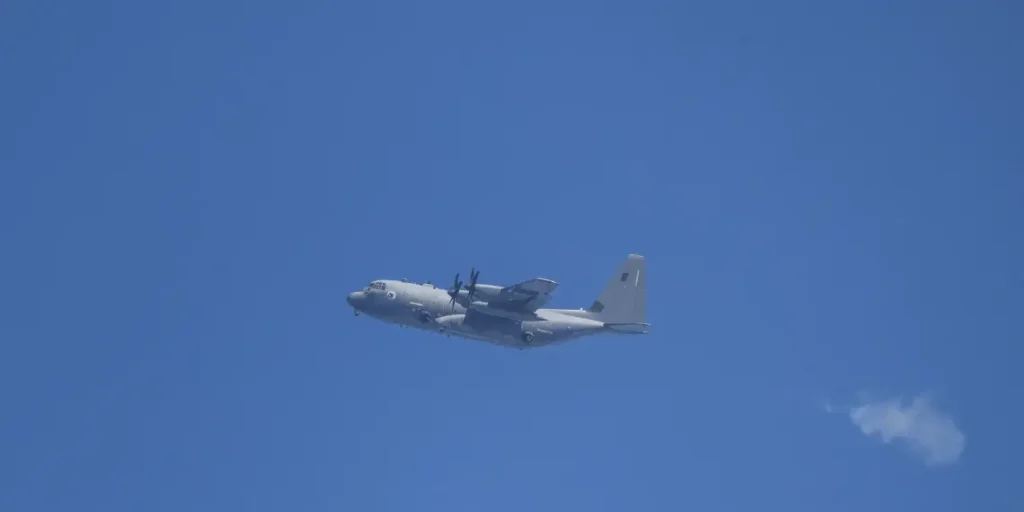
The AC 130J is among the most heavily armed aircraft in the U.S. military inventory. While it can carry Hellfire guided missiles on wing pylons, it is best known for its side-mounted weapons, including a 105-millimeter howitzer and a 30-millimeter chain gun. These systems are designed for sustained fire while the aircraft circles a target. If such weapons were used in this operation, it would mark the first known instance of direct gunfire being employed in the current counternarcotics campaign.
U.S. authorities have not publicly confirmed the specific aircraft or weapons used in Monday’s strike. They also have not released details about the individual killed, including nationality or whether others aboard the vessel were injured. Officials maintain that the boats targeted are part of sophisticated drug trafficking networks that pose a serious threat to regional security and public safety in the United States.
Similar operations during the Trump administration, including a Venezuela-linked drug boat strike that killed three people, previously drew international attention and criticism, highlighting long-standing concerns about the use of military force in counternarcotics enforcement.
The expanding strike program has drawn increasing criticism from legal experts, human rights organizations, and international observers. Unlike conventional military operations, the interdictions are taking place outside a formally declared armed conflict and are directed at suspected criminal actors rather than enemy combatants.
Under international law, individuals involved in criminal enterprises such as drug trafficking are generally classified as civilians, even when their activities contribute to widespread violence and drug-related deaths. Critics argue this raises serious questions about whether the strikes meet legal standards governing the use of lethal force, particularly the principles of necessity and proportionality.
The issue has also drawn attention at the United Nations, where senior human rights officials have expressed concern about the precedent set by targeting criminal suspects with military-grade weaponry.
In October, former International Criminal Court prosecutor Luis Moreno Ocampo warned that the campaign could expose participating servicemembers to legal risk. He argued that planned lethal attacks against civilian criminals could, under certain interpretations, be viewed as crimes against humanity under international law.
The Pentagon has rejected those assertions, insisting the interdictions are lawful, carefully reviewed, and conducted under strict rules of engagement. U.S. defense officials argue that maritime drug trafficking organizations have become increasingly sophisticated and dangerous, requiring a more forceful response to disrupt supply routes.
As the United States continues its intensified maritime operations, the latest fatal interdiction is expected to intensify calls for transparency regarding targeting decisions, oversight mechanisms, and the long-term implications of militarizing counternarcotics enforcement.
Follow Unitedpac St Lucia News for continuing coverage and updates on this developing international security story.