









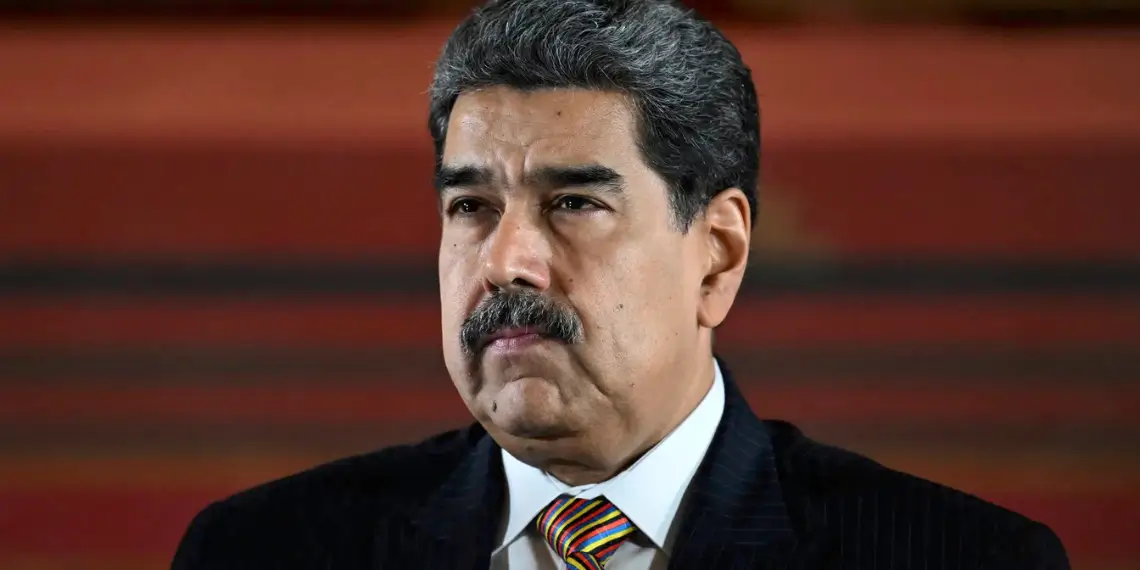
BUENOS AIRES, Argentina — An Argentine federal judge has issued a Maduro extradition request to the United States, seeking to bring former Venezuelan President Nicolás Maduro to Argentina to face a crimes against humanity investigation tied to an alleged crackdown on protesters and political opponents. The request follows Maduro’s capture by the U.S. military last month and his current detention in New York, where U.S. prosecutors have filed separate federal charges.
Judge Sebastián Ramos ordered urgent translation and processing of the international request and attached documents, according to the warrant reviewed by The Associated Press. The case was filed in Buenos Aires in 2023 by human rights organizations representing Venezuelans who say they were victims of torture, arbitrary detention, and enforced disappearance.
Human rights case relies on universal jurisdiction
The Argentine filing is built on universal jurisdiction, a legal principle that allows courts in some countries to prosecute serious international crimes even when the alleged abuses occurred abroad and involved non-citizens. Argentina has used similar legal pathways in other human rights cases, reflecting its willingness to pursue accountability for grave abuses beyond its borders.
In the Maduro case, plaintiffs include Venezuelans and advocacy groups who allege security forces and intelligence agents committed abuses during periods of unrest and political repression. The court action frames those alleged acts as crimes against humanity, a category of offenses that can trigger broad jurisdictional reach under international legal principles.
Supporters of the case say the extradition request marks a key procedural step in moving the investigation forward. One organization involved in the filing said the decision carried significance for victims who came forward despite risks, as they sought judicial remedies outside Venezuela.
Treaty process begins as the Maduro extradition request moves to diplomats
Argentina’s foreign ministry must now transmit the Maduro extradition request to the U.S. administration, a step required before any formal consideration by American authorities. The warrant cites the 1997 extradition treaty between Argentina and the United States as the framework for the request and notes Maduro’s recent capture.
Even if the paperwork advances quickly, the likelihood of a handover remains uncertain because Maduro and his wife, Cilia Flores, are in U.S. custody awaiting trial in Brooklyn. U.S. authorities allege the pair worked with drug cartels over a 25-year period to facilitate the shipment of large quantities of cocaine into the United States, and Maduro faces charges that include narco-terrorism and conspiracy to import cocaine in New York.
Because Maduro is already under U.S. jurisdiction, any transfer would typically depend on U.S. legal and executive decisions, including whether American prosecutors insist on completing their case first. Argentina’s request would require Washington to pause or defer its own proceedings, a step that is uncommon when major federal indictments are already in motion.
Political backdrop and regional stakes
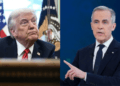
The request arrives amid shifting regional alliances and heightened scrutiny of Venezuela’s political trajectory. Argentine President Javier Milei, a right-wing leader and ally of U.S. President Donald Trump, has praised the U.S. military operation that resulted in Maduro’s capture, positioning Buenos Aires as a supportive regional voice for tougher action against Caracas.
For Latin America and the Caribbean, the case underscores how cross-border justice efforts can intersect with geopolitics. Venezuela’s long-running crisis has produced economic and migration spillover across the hemisphere, and legal moves involving former leadership can influence diplomacy, regional cooperation, and public debate about accountability.
In the eastern Caribbean, governments and communities have watched Venezuela-related developments for years, including humanitarian fallout and displacement that have affected neighboring states. The Argentine case also highlights the growing use of foreign courts by victims and advocacy groups when domestic accountability is viewed as unattainable.
An Argentine court first issued an international arrest warrant for Maduro in 2024. After the Jan. 3 U.S. operation that removed him from power, Argentine prosecutors asked Judge Ramos to request extradition so the crimes against humanity investigation could proceed with Maduro under Argentine jurisdiction.
For now, the case moves through diplomatic channels while Maduro remains in U.S. detention. Whether Argentina’s request results in a transfer or the U.S. prosecution proceeds first, the filings signal a widening legal contest over where Maduro could ultimately face the most serious allegations tied to his tenure.