









MIAMI, Fla. — U.S. Strike Kills 3 after U.S. Southern Command confirmed that Joint Task Force Southern Spear conducted a “lethal kinetic strike” on February 23 against a vessel it said was operated by Designated Terrorist Organizations and engaged in narcotics trafficking in the Caribbean basin.
In a statement published on its official X platform account, SOUTHCOM said the operation was carried out under the direction of its commander, Gen. Francis L. Donovan. The command stated that intelligence assessments confirmed the vessel was transiting known narcotics trafficking routes and was actively involved in trafficking operations at the time it was targeted.
SOUTHCOM said three male individuals described as “narco-terrorists” were killed during the strike. The command confirmed that no U.S. military personnel were injured.
Operation Southern Spear details after U.S. Strike Kills 3
The strike was executed as part of Operation Southern Spear, a U.S. military effort focused on disrupting transnational criminal organizations and narcotics trafficking networks in the Western Hemisphere.
SOUTHCOM did not disclose the vessel’s identity, its country of registration, the nationalities of the individuals killed, or the precise geographic coordinates of the operation. Officials also did not clarify whether the strike occurred in international waters or within the territorial sea or exclusive economic zone of a Caribbean state.
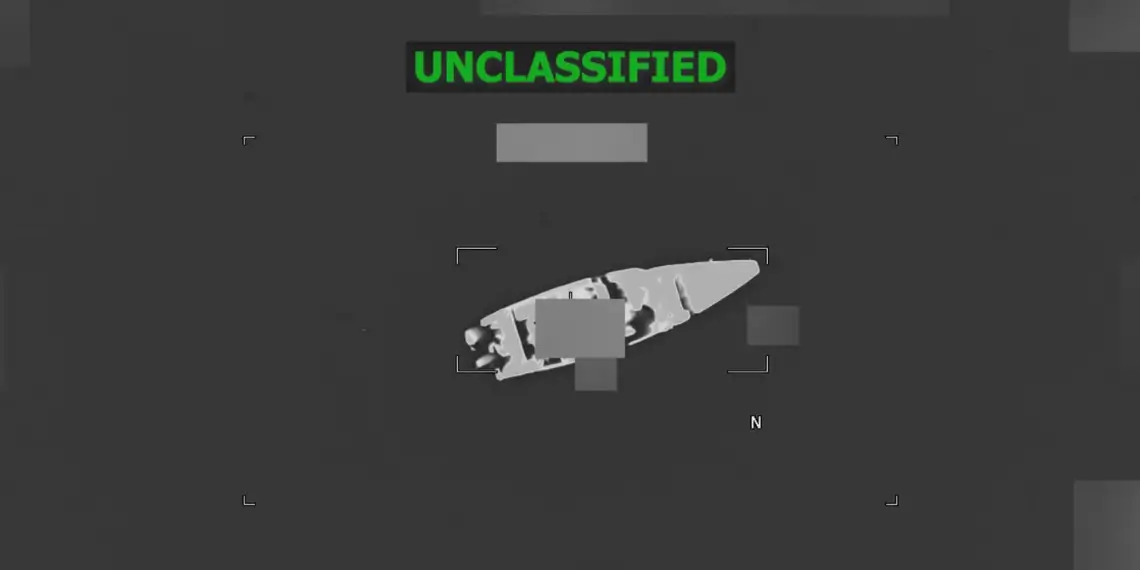
An accompanying image labeled “UNCLASSIFIED” appeared to show aerial surveillance of the vessel before the strike. No further operational details, including the type of weapon system used or whether any interdicted materials were recovered, were released.
While maritime interdictions are routine in Caribbean waters, public confirmation of a lethal strike is less common. U.S. and regional security forces regularly conduct patrols and coordinated operations to intercept narcotics shipments moving northward toward consumer markets.
A similar U.S. maritime operation was previously reported in the Eastern Pacific, where officials said three people were killed.
CARICOM leaders meet amid ongoing security pressures
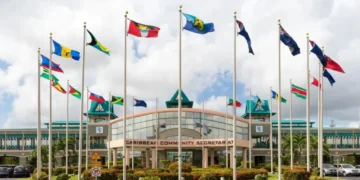
The confirmation of the strike came as heads of government began arriving in Basseterre, St. Kitts and Nevis, for the 50th Regular Meeting of the Conference of Heads of Government of the Caribbean Community.
Security cooperation and transnational crime have been recurring agenda items for CARICOM states, which continue to confront the domestic consequences of trafficking networks. Illegal firearms flows, gang violence, and strained policing resources are among the challenges linked to organized criminal activity operating along regional maritime corridors.
CARICOM governments have consistently emphasized the Caribbean as a Zone of Peace, while also engaging in security partnerships with external allies to address trafficking and organized crime. The public confirmation of lethal force in Caribbean waters places active enforcement action alongside ongoing policy discussions about sovereignty, cooperation, and regional stability.
There was no immediate collective statement from CARICOM addressing the February 23 operation. It remains unclear whether any regional government was notified in advance of the strike.
Sovereignty and enforcement considerations
For small island states, maritime security operations often involve coordination with larger partner nations that possess expanded surveillance and strike capabilities. Such partnerships can strengthen interdiction capacity, but they may also raise questions about jurisdiction, oversight, and the geographic scope of enforcement actions.
SOUTHCOM characterized the strike as part of its broader campaign against networks it says finance criminal activity through narcotics trafficking. The command did not release evidence supporting the terrorist designation referenced in its statement, nor did it indicate whether additional investigative findings would be made public.
As leaders convene for the milestone CARICOM summit, the confirmed operation underscores the strategic importance of Caribbean sea lanes in global trafficking patterns and the continued intersection of regional security policy and international enforcement actions.
SOUTHCOM has not announced any follow-up operations connected to the February 23 strike.
This remains a developing story.