












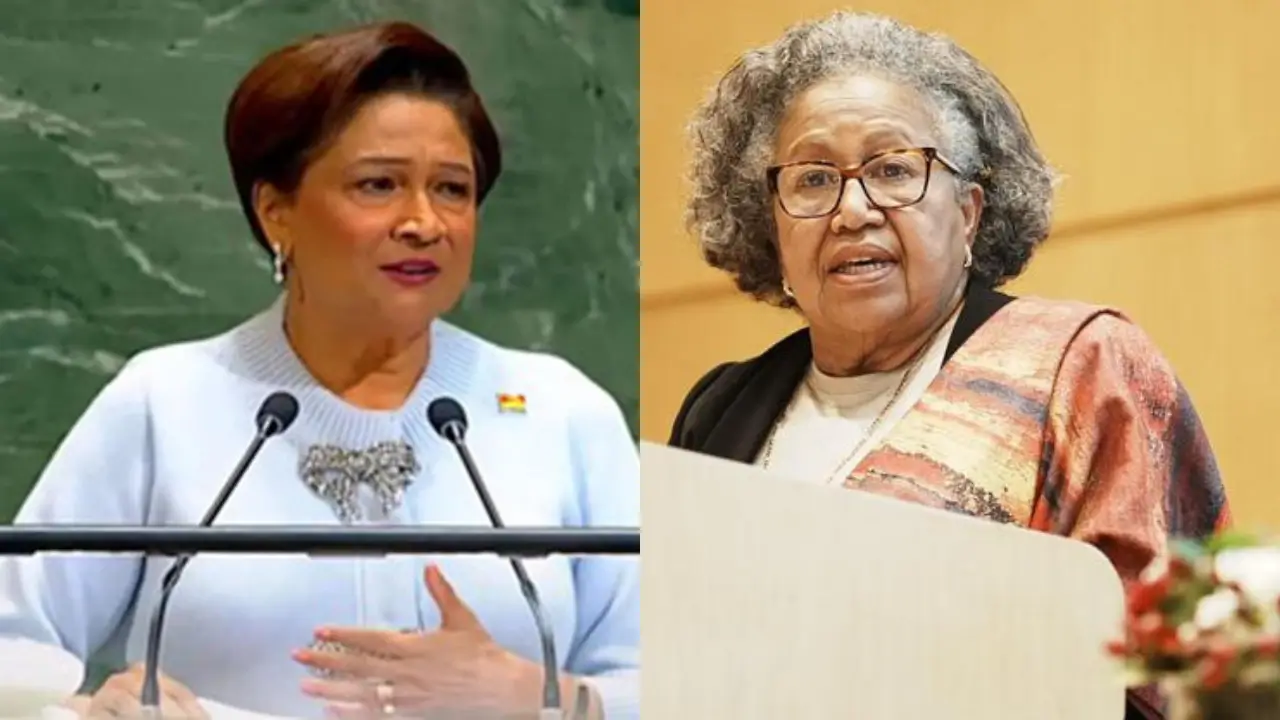
PORT OF SPAIN, Trinidad and Tobago — Trinidad Challenges CARICOM Over Barnett Reappointment has escalated into a high-stakes regional dispute, with Prime Minister Kamla Persad-Bissessar accusing the bloc of using a “surreptitious and odious process” and warning that her government will sustain pressure until full transparency is achieved.
In a statement posted on her official social media page, Persad-Bissessar said the issue goes beyond an administrative decision, describing it as an appointment with “long-term ramifications” for Trinidad and Tobago’s economy, security, integration, and foreign affairs over the next five years.
She said her government remains committed to CARICOM but made clear that the organisation should “expect no quarter” until the process is explained, adding that she will “mercilessly, relentlessly, and if needed, ruthlessly publicly prosecute this matter” in the interest of citizens.
Objection centers on exclusion and procedural concerns
According to Persad-Bissessar, Minister of Foreign and CARICOM Affairs Sean Sobers formally wrote to CARICOM Chairman Dr. Terrance Drew on March 25, 2026, placing on record Trinidad and Tobago’s objection to the reappointment of Secretary-General Dr. Carla Barnett.
The government maintains that the proposed reappointment was not included on the provisional agenda for the Fiftieth Regular Meeting of the Conference of Heads of Government in St. Kitts and Nevis and was not considered during plenary.
Instead, the Prime Minister said the matter was reportedly addressed during a Heads of Government retreat, described as a boat trip to Nevis, from which Trinidad and Tobago and other member states were excluded through their authorised representatives.
That claim raises broader concerns about whether established CARICOM procedures were bypassed and whether multiple member states were sidelined during a decision with regional implications.
Procedural concerns mount as Trinidad Challenges CARICOM
Persad-Bissessar said Trinidad and Tobago maintains that the reappointment was not undertaken in accordance with Article 24 of the Revised Treaty of Chaguaramas, which requires formal consideration and appointment by the Conference of Heads of Government.
She said this position was reaffirmed on March 27, when Minister Sobers addressed Parliament and formally recorded the government’s objection, noting that the action appeared ultra vires Article 24.
The government’s position frames the dispute as a legal and procedural issue, not simply a disagreement over the outcome, with implications for how CARICOM conducts its decision-making.
Letters seek detailed explanation of decision-making process
Persad-Bissessar outlined a series of follow-up actions aimed at securing clarification from CARICOM leadership.
Letters dated March 31, 2026, were sent to Chairman Drew and directly to Secretary-General Barnett, requesting details on when and how the matter was placed on draft agendas, what communications were issued to member states, and whether governments were informed following the Joint Communiqué and closing press conference.
The correspondence also asked whether any draft decision was circulated confidentially after the retreat and sought an explanation for any confidentiality surrounding the process, emphasizing the need to preserve confidence in CARICOM’s Rules of Procedure and collective governance.
Further, the Permanent Secretary at the Ministry of Foreign and CARICOM Affairs wrote on March 31 to Janice Miller, chef-de-cabinet in the Office of the Secretary-General, formally requesting documentation and clarification regarding the reappointment.
That letter referenced previous reappointments, including in 2016, which followed established procedures and reflected the views of all Heads of Government, noting that the current process appears not to have conformed to CARICOM’s Rules of Procedure.
No response yet as dispute tests CARICOM unity
“Persad-Bissessar said that to date, no response has been received to the government’s requests for clarification.
She added that the people of Trinidad and Tobago, whom she said finance 22 percent of CARICOM’s budget, deserve transparency, accountability, and adherence to agreed rules.
The latest clash builds on earlier CARICOM backlash over Barnett’s reappointment, adding pressure on the bloc’s leadership and raising broader questions about governance standards, procedural integrity, and trust among member states.”