










ST JOHN’S, Antigua and Barbuda — Antigua elections are expected within the next 90 days after Prime Minister Gaston Browne signaled an early return to the polls, placing the country on election alert ahead of the constitutional deadline.
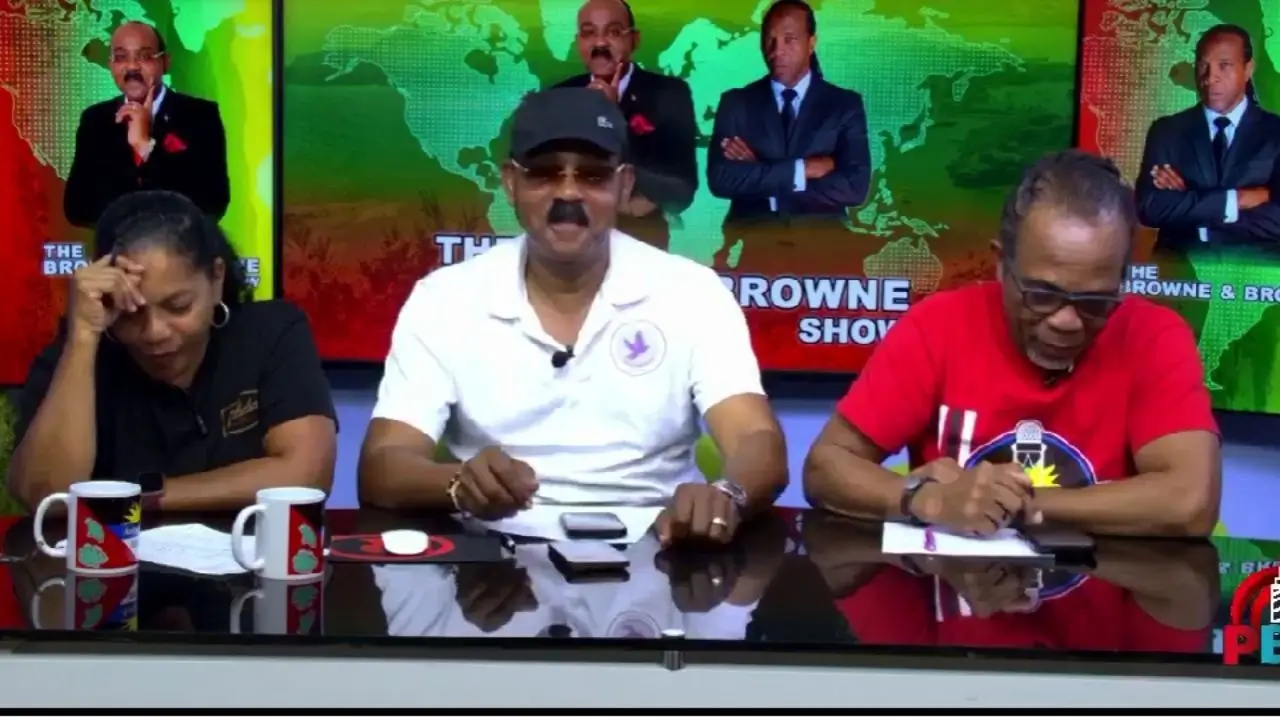
Browne, leader of the Antigua and Barbuda Labour Party, made the announcement during his “Browne and Browne Show” on Pointe Broadcasting Network on Saturday, calling on party supporters to intensify grassroots mobilization and voter registration efforts.
The move sets the stage for a snap election roughly 18 months before it is constitutionally due, reshaping the political timeline and signaling confidence from the incumbent administration as it seeks a fourth consecutive term. Antigua and Barbuda’s official government portal provides background on the country’s governance and institutional framework as the country moves closer to a possible early vote.
Campaign activity ramps up ahead of early vote
Browne instructed party candidates to begin door-to-door canvassing immediately, emphasizing direct engagement with constituents as a central strategy in the lead-up to the vote.
He urged supporters to ensure eligible voters are registered, highlighting voter turnout as a critical factor in securing another term for the Labour Party. The call reflects a broader push to consolidate support early, particularly in key constituencies where margins could prove decisive.
The announcement effectively transitions Antigua and Barbuda into an active campaign period, with political messaging and ground operations expected to intensify in the coming weeks.
Opposition prepares for Antigua elections showdown
The main opposition, the United Progressive Party, is expected to contest the upcoming Antigua elections, setting up a renewed political contest between the island’s two dominant parties.
While no official election date has yet been announced, the 90-day timeline signals that preparations on both sides will accelerate, with candidate selection, campaign financing, and public outreach likely to dominate the political landscape. The vote also unfolds against the backdrop of wider political scrutiny, including the Alfa Nero yacht sale scandal.
For voters, the early election call shortens the decision-making window, placing increased emphasis on current economic conditions, governance performance, and campaign messaging as key factors influencing electoral outcomes.
The outcome of the Antigua elections will determine whether Browne’s administration secures a fourth consecutive mandate or whether the opposition can capitalize on the accelerated timeline to shift political momentum.