


















CASTRIES, St Lucia — A new police update identifying the previously unknown victim found at Canelles Beach in Micoud has raised serious questions, with the Canelles Beach Body Timeline Conflict now deepening after key details appeared to contradict earlier official information released in the case.
The Royal Saint Lucia Police Force has confirmed that the deceased is Delan Valantius Alexander, also known as “Arpec,” a Micoud resident who had been reported missing. However, the latest statement introduces discrepancies in both the timeline of events and previously reported observations.
Discovery date discrepancy fuels concern
In the initial report, police indicated that officers responded to the discovery of a lifeless body on Canelles Beach on March 16, 2026, around 9:30 a.m. That account formed the basis of early reporting on the incident.
In contrast, the police update now states that the body of an unidentified male was discovered on March 31, 2026, at the same location.
The two dates cannot both be correct if they refer to the same body, raising immediate concerns about the accuracy and consistency of official communications.
If the March 16 timeline is accurate, the body would have been discovered just days after Alexander was last seen on March 13. If the March 31 date is correct, the discovery occurred nearly three weeks later.
The discrepancy creates uncertainty around the sequence of events and complicates efforts to establish a clear timeline in the case.
Cause of death finding sharpens scrutiny in Canelles Beach Body Timeline Conflict
Early observations from the scene indicated that the body bore visible lacerations, a detail that suggested the possibility of trauma and warranted close scrutiny.
The police update now states that a post-mortem examination concluded the cause of death was drowning.
While the two findings are not mutually exclusive, the shift from visible injuries to a confirmed drowning raises questions about how the initial condition of the body was assessed and communicated.
It also underscores the importance of forensic clarity in cases where early visual observations may influence public perception of the circumstances surrounding a death.
Conflicting details within police release
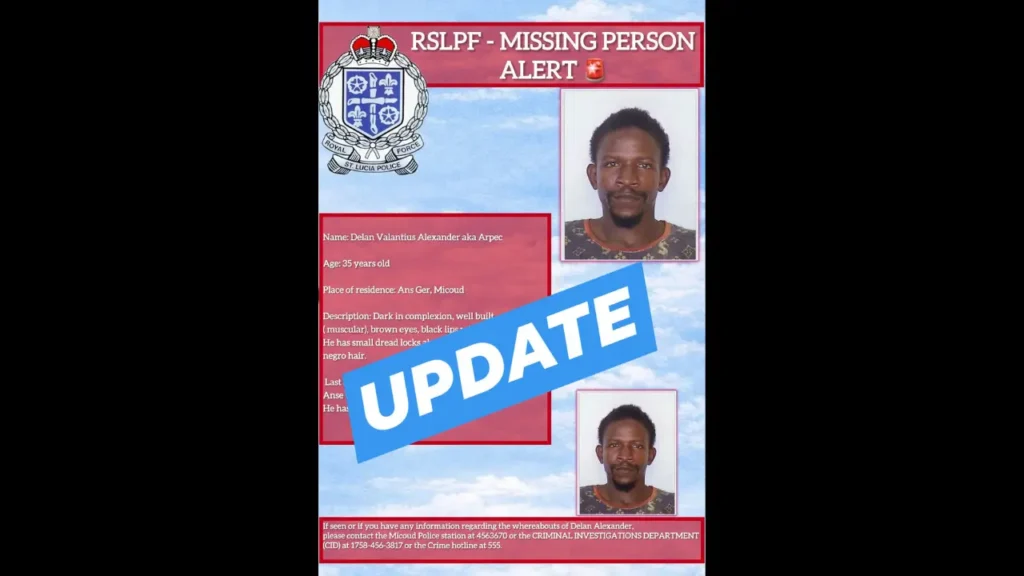
Further inconsistencies appear within the police update itself. The written statement identifies Alexander as a 34-year-old male, while an accompanying missing person alert graphic lists his age as 35.
Such discrepancies, though seemingly minor, contribute to broader concerns about precision and accuracy in official communications, particularly in cases involving death investigations.
Timeline raises additional questions
The update indicates that Alexander was reported missing on March 19, six days after he was last seen on March 13.
If the body was discovered on March 16, as initially reported, it would mean the remains were found before the missing person report was officially filed.
If the March 31 date is accurate, the body remained undiscovered for more than two weeks after the missing report, despite being located on a public beach.
Both scenarios carry implications that warrant clarification.
The case is likely to renew concern over similar investigations, including the recent victim identified in Vieux Fort shallow grave case, where public attention also focused on the clarity of police disclosures.
Public trust hinges on clarity
The identification of the victim brings closure to one aspect of the case, but the Canelles Beach Timeline Conflict now raises broader questions about the handling and communication of the investigation.
Accurate, consistent reporting from authorities is critical, not only for maintaining public trust but also for ensuring that investigations are properly understood by the communities they affect.
At this stage, it remains unclear whether the inconsistencies stem from clerical error, miscommunication, or overlapping reports of separate incidents.
Police have not publicly addressed the discrepancies.
For residents of Micoud and the wider public, the unanswered questions surrounding the case now extend beyond the identity of the victim to the integrity of the timeline itself.