















CASTRIES, St Lucia — The CARICOM Cuba aid delay is drawing growing scrutiny after regional leaders pledged support for Havana at a recent summit, yet no coordinated shipment has been publicly delivered as foreign governments and international groups continue sending relief.
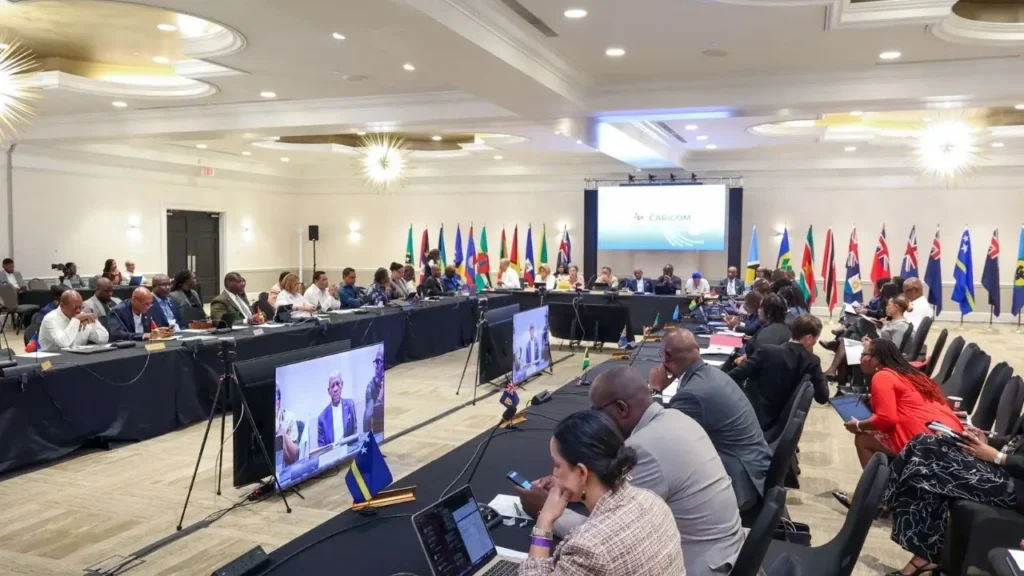
The commitment, made during talks in Basseterre under the chairmanship of St Kitts and Nevis Prime Minister Terrance Drew, had signaled a unified regional response to Cuba’s economic and humanitarian strain. Weeks later, however, the absence of visible action has raised questions about the bloc’s ability to convert political promises into tangible support.
Weeks later, no confirmed shipment has departed from any CARICOM port, and no unified relief initiative has been publicly executed.
The delay has raised questions about the bloc’s ability to translate political commitments into concrete action, particularly at a time when external partners have moved quickly to provide support.
Global aid efforts outpace CARICOM response
While CARICOM’s plan remains pending, several countries have already delivered large-scale assistance to Cuba.
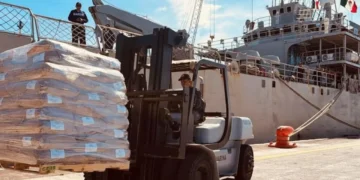
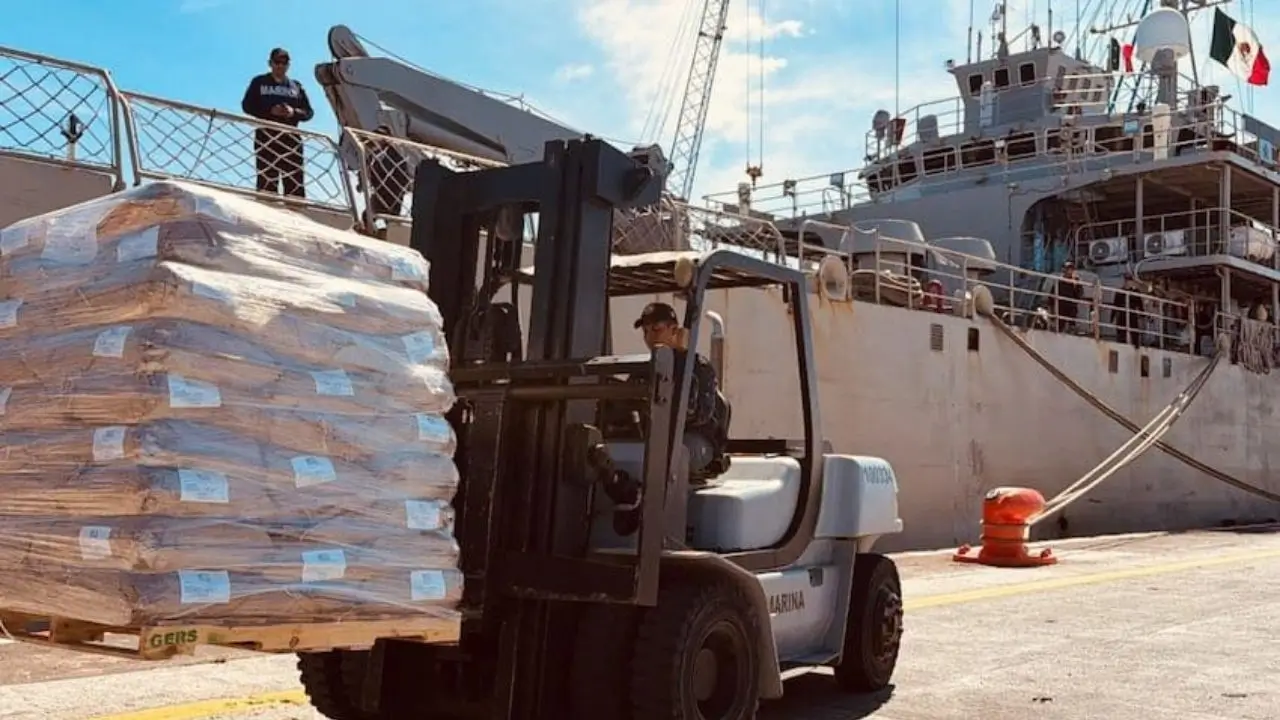
Brazil has committed substantial quantities of food supplies, while China has dispatched shipments of rice. Mexico has also delivered aid multiple times in recent weeks, according to official reports.
These efforts have resulted in visible deliveries reaching Cuban ports, underscoring a contrast between pledged support and implemented action.
In addition to state-led initiatives, international activists and civil society groups have organized independent missions to Cuba. Reports indicate that volunteers from multiple countries coordinated supply drives and transported goods directly to Havana.
The pace and scale of these contributions have intensified scrutiny of CARICOM’s response, particularly given the region’s longstanding diplomatic and historical ties with Cuba.
As Havana waits, CARICOM Cuba aid delay fuels regional scrutiny
The CARICOM commitment, announced under the chairmanship of St Kitts and Nevis Prime Minister Terrance Drew, was framed as a unified regional effort to support Cuba within a defined timeframe.
Drew, who has publicly referenced his personal and academic ties to Cuba, emphasized solidarity during the summit discussions.
However, the absence of visible follow-through has placed that commitment under pressure, with observers questioning whether logistical, financial, or political constraints have delayed execution.
Regional analysts note that CARICOM has historically emphasized unity and collective action on key issues, including economic cooperation and foreign policy alignment. The current situation is being viewed as a test of that framework.
Implications for regional credibility
The delay carries broader implications beyond the immediate humanitarian context.
For Cuba, the absence of timely regional assistance may deepen reliance on external partners at a critical moment. For CARICOM, the situation risks undermining its credibility as a coordinated bloc capable of delivering on high-level commitments.
The delay has also revived concerns about CARICOM’s effectiveness as a regional bloc, echoing longstanding criticisms about coordination and leadership challenges.
The gap between announcement and implementation also highlights ongoing challenges in mobilizing resources across multiple small states, particularly when coordination and funding must be aligned quickly.
Public expectations, shaped by the summit pledge, have further heightened the stakes. The lack of visible progress has left unanswered questions about timelines, operational plans, and accountability.
Officials have not yet announced a revised schedule or provided detailed updates on the status of the promised aid.
As international shipments continue to arrive in Havana, the comparison has sharpened focus on CARICOM’s response, with the region now under increased pressure to act on its stated commitment.