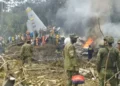











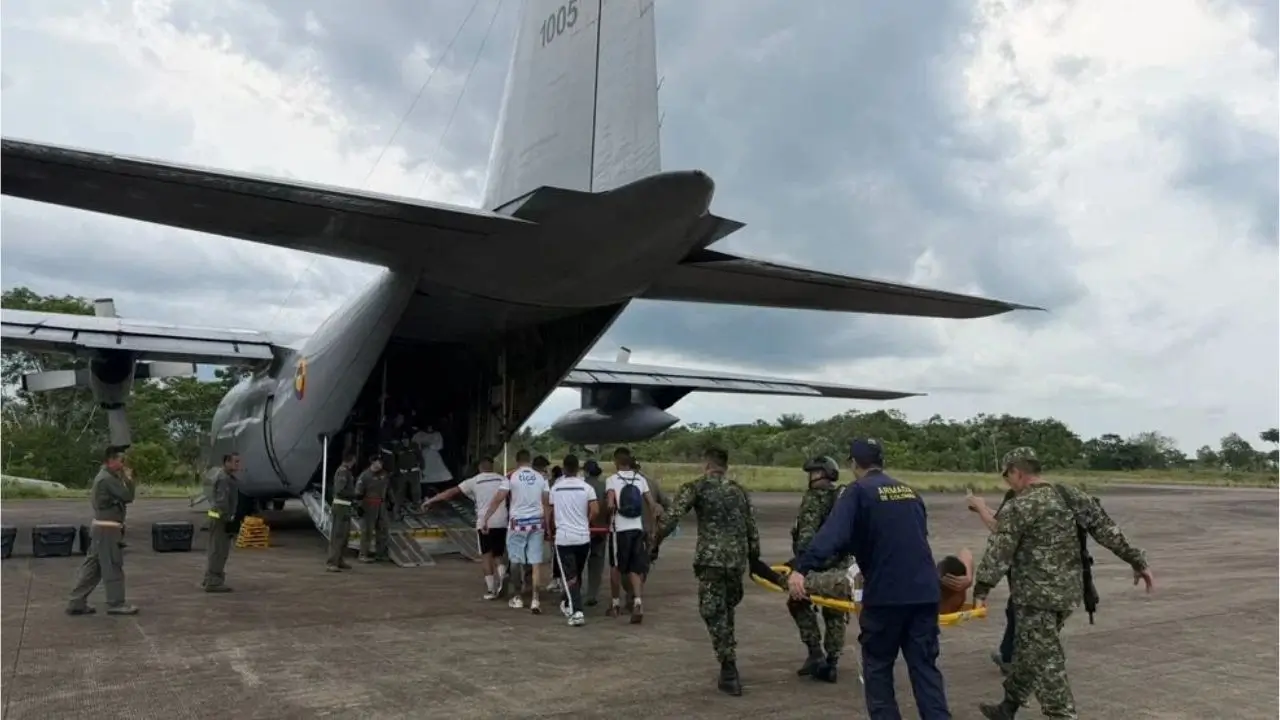
BOGOTÁ, Colombia — The Colombia military plane crash death toll has climbed to 69 after authorities ended search and rescue operations, deepening national concern over military aviation safety and putting fresh pressure on President Gustavo Petro’s push to modernize the country’s defense fleet.
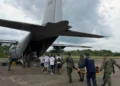
Colombia’s armed forces said Wednesday that 126 people were on board the Hercules C-130 transport plane when it crashed shortly after takeoff on Monday in the country’s south near the border with Peru. Officials said 57 others were injured, many of them rescued from the burning wreckage by local residents before emergency teams fully secured the scene.
The updated toll marked a rise from earlier casualty figures and underscored the severity of one of Colombia’s deadliest recent military aviation disasters. The aircraft had been traveling from Puerto Leguízamo to Puerto Asís when it went down in Putumayo, a region where difficult terrain and limited infrastructure complicated the response.
Search ends as the full human toll comes into focus
According to the latest armed forces update, those on board included 113 army personnel, two police officers and 11 crew members. The end of search efforts shifted the focus from rescue to recovery, identification and accountability as families awaited formal confirmation and answers about what caused the crash.
The human impact of the disaster extended beyond the official toll. In the immediate aftermath, locals reportedly used motorcycles to carry injured survivors from the wreckage to hospitals, reflecting both the urgency of the moment and the limited emergency response capacity in the remote area.
That response also highlighted why the crash matters beyond the military itself. When major emergencies strike in isolated regions, communities often become the first line of rescue, even when they lack the equipment and support such operations demand.
Rising Colombia military plane crash death toll fuels fleet concerns
The rising death toll has intensified scrutiny of Colombia’s aging military hardware. In a series of social media posts, Petro suggested outdated equipment may have played a role in the disaster and indicated that bureaucratic delays had slowed efforts to modernize the armed forces’ aircraft and other equipment.
Without naming the Hercules plane directly, Petro wrote that the “piece of scrap metal” had been bought in 2020 and called for answers. In an earlier message, he said he would allow no further delays because the lives of young Colombians were at stake, linking the tragedy to broader concerns about procurement and readiness.
That political response matters because the crash now carries consequences beyond the immediate loss of life. It has become a test of whether the government can reassure military families, improve operational safety and move faster on long-promised upgrades.
Defense Minister Pedro Sánchez said there was no indication the aircraft had been attacked, despite the presence of armed groups in the Putumayo region. He also said explosions heard after the crash were caused by ammunition igniting in the flames.
Investigation turns to what happened after takeoff
An investigation is now underway to determine why the Hercules lost height shortly after departure. Mobile phone footage shared online appeared to show the aircraft descending before a plume of smoke rose from the crash site.
A local farmer, Noé Mota, told AFP he heard a loud bang before the plane hit trees near his home. His account added to the emerging picture of a fast-moving disaster that unfolded within moments of takeoff.
The crash is the second deadly Hercules C-130 accident in as many months in the region. On Feb. 27, a Bolivian army Hercules carrying banknotes overshot the runway at El Alto and crashed into traffic on a nearby highway, killing 24 people.
That comparison is likely to sharpen regional attention on the aircraft’s operational use and maintenance standards. For Colombia, however, the immediate challenge is more personal and more urgent: supporting the injured, helping grieving families and explaining how so many members of the security forces were lost in a single incident.