









CASTRIES, St Lucia — The Cuba medical training ban has brought an abrupt end to the long-standing pathway that allowed St Lucian students to pursue medical studies in Cuba, Prime Minister Philip J Pierre revealed this week, citing pressure from the United States that has forced a change in national health policy.
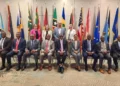
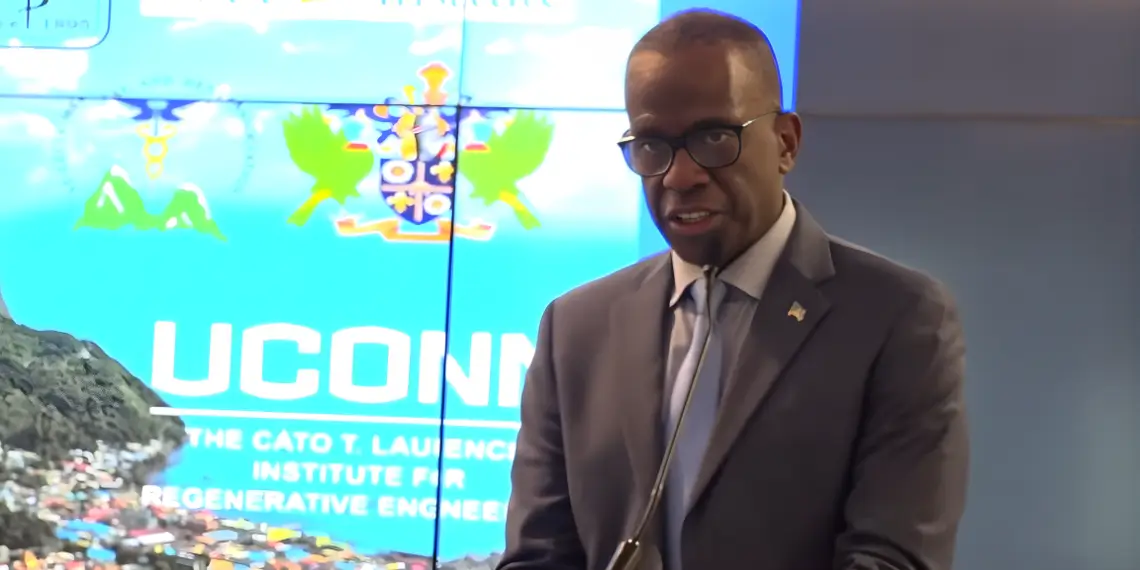
Speaking at the 2nd World Congress on Racial and Ethnic Health Disparities, Pierre said local students can no longer study medicine in Cuba, despite the country’s heavy reliance on Cuban-trained doctors and Cuban medical professionals who have supported St Lucia’s healthcare system for decades. He described the development as a major challenge confronting his administration.
Pierre told the audience that many of St Lucia’s doctors received their training in Cuba and that the United States has now taken the position that this arrangement can no longer continue, adding pressure to an already strained health sector.
“I have a big problem. Many of our doctors got trained in Cuba, and now the United States has said we can’t do that any longer,” Pierre said. “So I have a major issue on my hand.”
Timeline leading to Cuba medical training ban
Pierre’s comments follow January reporting by Unitedpac St Lucia News that warned St Lucia was facing escalating diplomatic pressure from the United States linked to the continued use of Cuban medical personnel and the administration of the Citizenship by Investment Programme.
That reporting pointed to potential consequences for ordinary Saint Lucians, including travel and international mobility. It also questioned the absence of public disclosure during the prime minister’s New Year’s address.
At the time, the government did not publicly confirm whether such pressures existed or whether policy changes affecting healthcare and international relations were under consideration.
Pierre’s acknowledgment that U.S. restrictions have since altered medical training options now adds context to those earlier concerns.
International pressure and proposed alternatives
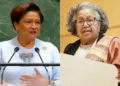
Congress chair Sir Cato Laurencin, an orthopedic surgeon and senior academic based in the United States, said St Lucia is not without options as international pressure tied to Cuban medical cooperation reshapes regional healthcare cooperation.
“Those of us in the diaspora with Saint Lucian roots need to work more closely with Saint Lucia,” Laurencin said. “There are physicians here who want to be part of the new hospital system and support the country’s healthcare development.”
Laurencin pointed to initiatives connected to the University of Connecticut’s institute as potential models, highlighting programs focused on fitness, healthy lifestyles, and local food cultivation. He said such efforts are increasingly important as the U.S. government has outlined concerns about Cuban medical missions through official diplomatic channels in the Eastern Caribbean.
He added that physicians attending the congress had expressed interest in supporting St Lucia’s planned hospital expansion, underscoring the role of diaspora collaboration as the country navigates emerging constraints on medical training and staffing.
Funding strain and hospital costs
Pierre also addressed the financial pressures facing the health sector, citing the long-delayed St Jude Hospital as a key example. He said commissioning the facility carries an estimated cost of about US$50 million, a figure that cannot be absorbed by the national budget.
The government, he said, has explored using the Citizenship by Investment Program to help bridge the funding gap. However, Pierre acknowledged that the program itself is facing challenges, limiting its reliability as a financing mechanism for major health infrastructure projects.
Beyond capital costs, the prime minister linked social and economic inequality to persistent health disparities. He referenced school feeding initiatives aimed at ensuring children receive at least one nutritious meal daily, noting that funding constraints often dictate what assistance can realistically be provided.
Call for action beyond research
Pierre challenged researchers and policymakers at the congress to move beyond academic findings and deliver tangible results. He said addressing health disparities requires practical interventions, lifestyle changes, and policy decisions grounded in real-world conditions rather than recommendations confined to academic journals.
Without that shift, Pierre warned, the structural disparities affecting St Lucia’s healthcare system are likely to persist as the country navigates mounting financial and geopolitical pressures.