
















ROSEAU, Dominica — The proposed Deux Branches quarry is facing a formal call for rejection after a former chief physical planner said the project’s environmental and social impact assessment fails to meet required planning and scientific standards.
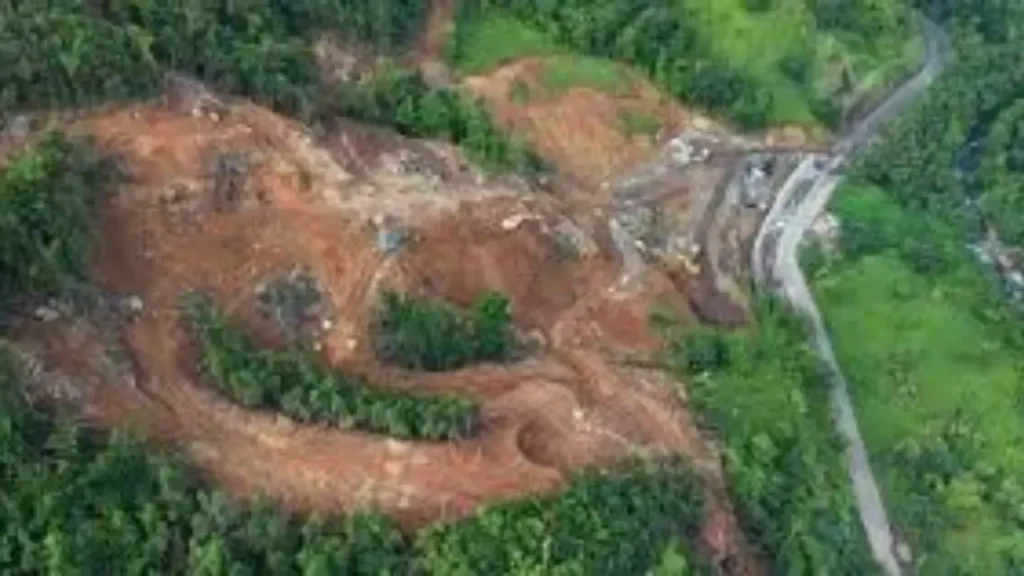
In a March 30 submission to Dominica’s Chief Physical Planner, Juliette Shillingford (Tonge) said the ESIA for the Deux Branches quarry and crushing plant contains significant gaps in environmental analysis, public consultation and technical justification. She wrote that the application should be disapproved in its current form.
Shillingford said her objection does not oppose the Dominica International Airport project itself, but questions whether the proposed quarry tied to the development has been properly assessed under national planning requirements, including the Dominica quarry works and mining guidelines.
Forest and watershed concerns deepen scrutiny of Deux Branches quarry
Shillingford, who served as Dominica’s chief physical planner from 2000 to 2006 and previously chaired the Physical Planning Authority, argued that the ESIA does not justify the need for a new quarry.
According to her submission, existing quarries on the island already have the capacity and material quality to support the airport project. She said the assessment relies heavily on logistical considerations such as transport distance and cost, without demonstrating that the proposed site was selected through a rigorous comparison of geological suitability or performance standards.
The submission also raised concerns about whether materials at the proposed site meet international aviation requirements. Shillingford said the ESIA does not provide sufficient evidence that the rock has been tested for durability, load-bearing capacity or resistance to weathering for use in runway construction.
Environmental risks were also highlighted, particularly the quarry’s proximity to the Central Forest Reserve. Shillingford said the ESIA does not adequately assess potential impacts such as habitat fragmentation, disruption of ecological corridors and long-term degradation of protected forest systems.
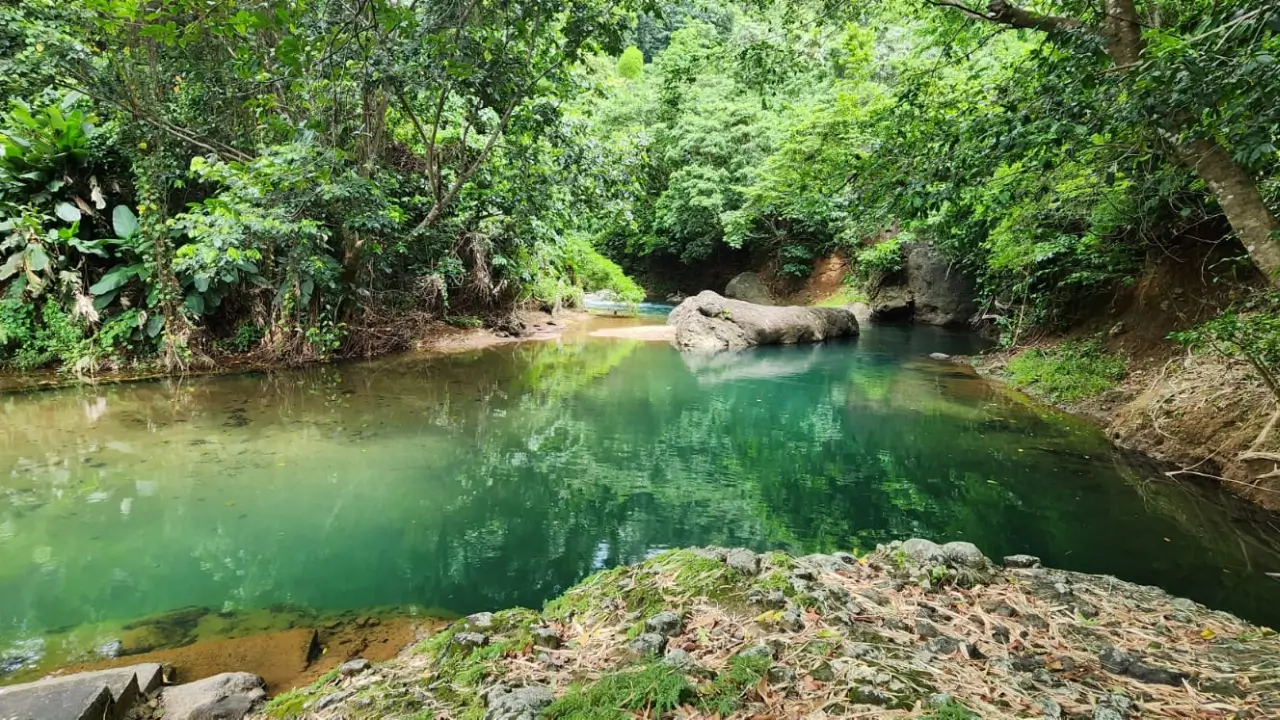
She further noted that the site lies within a high-rainfall watershed connected to the Pagua River system, yet lacks detailed modeling on sediment transport, runoff impacts and downstream water quality. The omission, she said, is significant given Dominica’s terrain and rainfall patterns.
The submission also pointed to potential risks linked to mineralization, including acid rock drainage and the release of heavy metals into surface and groundwater. Shillingford described the absence of detailed analysis on these issues as a critical gap with possible long-term environmental consequences.
On biodiversity, she said the ESIA acknowledges the presence of wildlife but concludes impacts would be limited without supporting that position with comprehensive surveys or species vulnerability assessments. She added that while the document identifies risks such as landslides, erosion and hydrological instability, it does not clearly demonstrate how those risks would be mitigated.
Shillingford also raised concerns about the public consultation process, stating that engagement appeared delayed and may not have allowed for full, informed participation. She said that could raise questions about procedural fairness and expose the approval process to potential legal challenge.
She described the ESIA as containing internal inconsistencies and insufficient scientific justification, arguing that key conclusions are not supported by the level of analysis required for a project of this scale.
Officials have not publicly responded to the submission in the material reviewed, and it remains unclear what action the Physical Planning Authority will take on the application.
The outcome of the review is expected to determine whether the Deux Branches quarry proceeds as part of the airport development or faces revision or rejection amid the concerns raised.