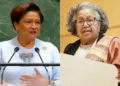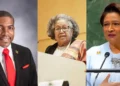
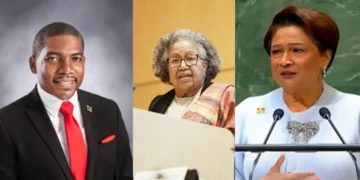














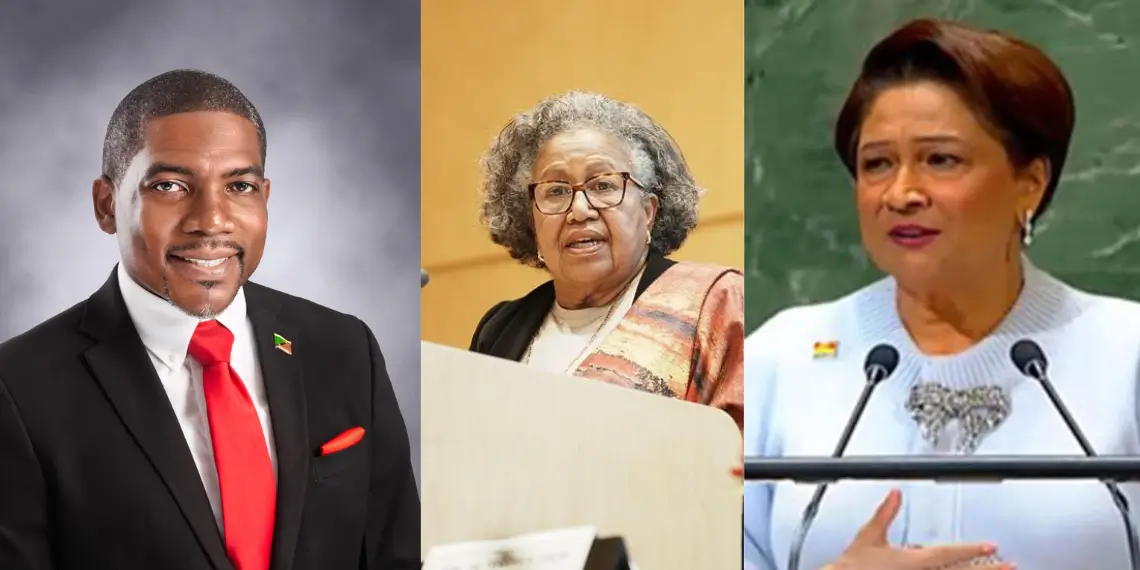
BASSETERRE, St Kitts and Nevis — Drew Defends Barnett Reappointment has become the center of a widening regional dispute after CARICOM Chairman Dr Terrance Drew insisted Trinidad and Tobago was informed and invited to the Nevis retreat where leaders agreed to extend Dr Carla Barnett’s term as secretary-general.
Drew set out that position in an April 8 letter to Trinidad and Tobago Prime Minister Kamla Persad-Bissessar. His response sought to push back against concerns that Trinidad and Tobago had been excluded from a key CARICOM decision.
The controversy has since widened beyond the exchange of letters. In a statement issued after the Twenty-fifth Special Emergency Meeting of the Conference of Heads of Government on April 10, CARICOM said leaders met to discuss governance issues raised by Trinidad and Tobago, including the reappointment of the secretary-general, and stated that neither Persad-Bissessar nor any representative from Trinidad and Tobago attended the meeting.
According to the CARICOM statement, information related to communication with member states in preparation for and during the Fiftieth Regular Meeting of the Conference, along with discussions and decisions taken by heads while in retreat, was being shared in attachments linked to the statement. The regional body also expressed hope that internal mechanisms would be used to address such disputes going forward, warning that what it described as unfortunate and erroneous statements could undermine progress toward deeper regional integration.
According to Terrance Drew, all member states were duly informed of the programme of events and draft agenda for the 50th Regular Meeting of the Conference of Heads of Government, held in St Kitts and Nevis from February 24 to 27. He said that notice included which matters were scheduled for plenary, caucus and the retreat for heads of government only.
He also said heads of government were advised through official correspondence before the conference, and by follow-up communication during the meeting, about the date and venue of the retreat in Nevis. Drew argued that the retreat’s programme of work included issues involving the financing and governance of the community, where matters tied to the Secretariat’s operations and finances would normally arise.
Retreat absence sharpens dispute as Drew Defends Barnett Reappointment
A central part of Drew’s explanation was that Persad-Bissessar left St Kitts and Nevis on the evening of February 25, one day before the February 26 retreat where Barnett’s reappointment was considered.
Drew said he viewed Trinidad and Tobago’s participation as important and enquired whether Foreign and CARICOM Affairs Minister Sean Sobers could attend in her place. He wrote that Sobers declined because of personal discomfort with using the water-taxi service to Nevis, which Drew described as a standard mode of transport in the federation.
In the letter, Drew said Sobers indicated he feared he would get seasick. That account has now become one of the main points of contention between both sides.
Drew said it was during that retreat that heads of government considered and agreed to Barnett’s reappointment under Article 24 of the Revised Treaty of Chaguaramas. He maintained that reappointments fall within the remit of the Conference of Heads of Government.
He also said Barnett was not present in the room during the discussion. Drew further disclosed that heads agreed to delay any public announcement as a matter of courtesy so leaders who were not present could first be informed.
Trinidad rejects Drew’s account and demands answers
The matter escalated further when Sobers described Drew’s response to Trinidad and Tobago’s concerns as unsatisfactory. Persad-Bissessar then requested a formal reply, deepening concerns already raised in Trinidad’s challenge to the CARICOM process over Carla Barnett’s reappointment.
In a letter dated April 9, Trinidad and Tobago rejected Drew’s version of events, refuted the claim that Sobers declined attendance because of ferry or water-taxi concerns, and demanded answers as to why the country was excluded from the process.
Drew said he had personally tried to contact Persad-Bissessar by email and telephone before any public statement was made on Barnett’s reappointment, but was unable to reach her and received no response to his email.
He ended his letter by stating that he remained available to speak with the Trinidad and Tobago prime minister directly and included his phone number. Even so, Trinidad and Tobago’s rebuttal has pushed what may have been expected to be a routine regional appointment into a broader dispute over transparency, communication and participation inside CARICOM.
The fallout matters beyond the reappointment itself, adding to a broader CARICOM crisis already marked by backlash over how Carla Barnett’s extension was handled. With CARICOM now acknowledging the matter through a special emergency meeting, the dispute has become a more visible test of how the regional bloc manages internal disagreements at the highest level.
For the wider region, that matters because public conflict over major decisions can weaken confidence in CARICOM’s decision-making at a time when member states are already navigating economic, diplomatic and governance pressures.