










MIAMI — Joint Task Force Southern Spear carried out three lethal kinetic strikes on three vessels late Feb. 16, killing 11 men the U.S. military described as “narco-terrorists,” according to a U.S. Southern Command statement posted Feb. 17 on X.
U.S. Southern Command, known as SOUTHCOM, said the operation targeted vessels it alleged were operated by Designated Terrorist Organizations and moving along known narcotics trafficking routes. SOUTHCOM said no U.S. military forces were harmed during the strikes.
SOUTHCOM outlines Feb. 16 mission under Joint Task Force Southern Spear
SOUTHCOM said the kinetic strikes were conducted at the direction of its commander, Gen. Francis L. Donovan, by Joint Task Force Southern Spear. The statement described the actions as “lethal kinetic strikes” against three separate vessels in two maritime regions.
According to SOUTHCOM, four men were killed on the first vessel in the Eastern Pacific and four more were killed on the second vessel, also in the Eastern Pacific. A third vessel in the Caribbean was struck, and three men were killed, SOUTHCOM said.
The U.S. military said intelligence confirmed the vessels were transiting along established narcotics trafficking routes and were engaged in narcotics trafficking operations at the time of the strikes. The statement did not identify the vessels by name, flag, ownership, or origin.
SOUTHCOM’s Feb. 17 post provided an expanded operational picture distinct from an earlier, separately dated incident that left three dead, detailed in a Feb. 13 U.S. Southern Command strike report.
Regional spillover risks highlighted by drug trafficking routes
The disclosure comes as Caribbean states continue to face spillover risks from maritime trafficking corridors, including drug wash-ups, cross-border criminal activity, and public safety pressures linked to transnational networks.
Recent regional reporting has also described large quantities of cocaine washing ashore in St Vincent and the Grenadines following a strike near Bequia, outlined in a separate report on the cocaine wash-up.
However, the SOUTHCOM statement left key questions unanswered. The U.S. military did not say whether narcotics were recovered, whether any arrests resulted, whether partner nations supported the operation, or precisely where the Caribbean strike took place.
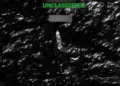
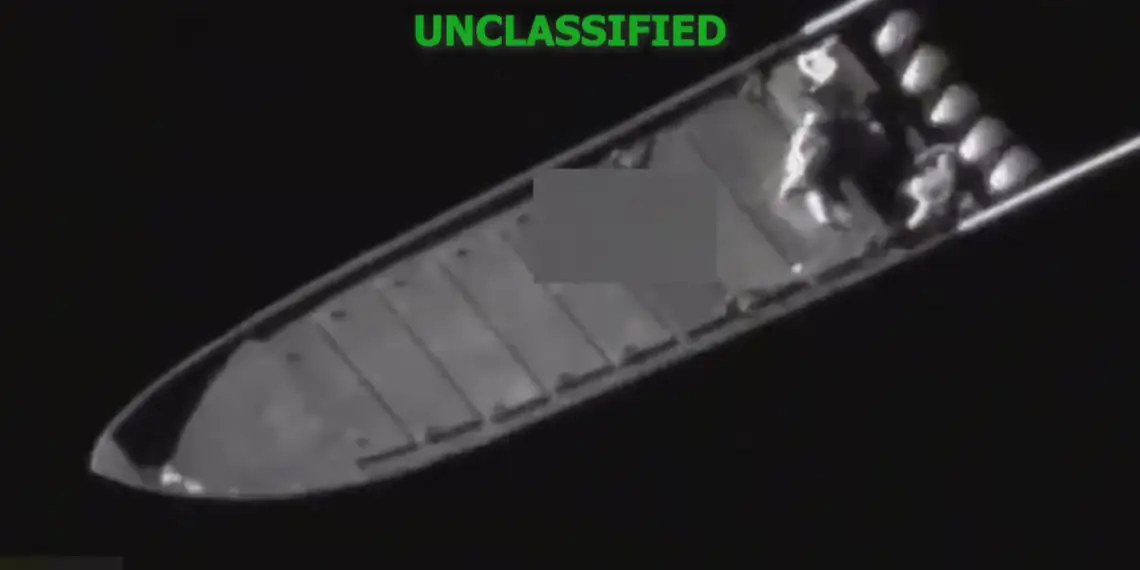
SOUTHCOM released a brief unclassified video clip alongside its post, but it did not provide identifying details about the vessels beyond the military’s allegation that they were tied to narcotics trafficking and designated terrorist-linked networks.
This report will be updated if SOUTHCOM or regional authorities release additional operational details, including the identities of the vessels, any associated seizures, or follow-up enforcement actions.