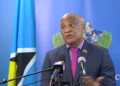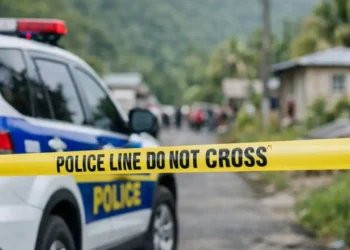

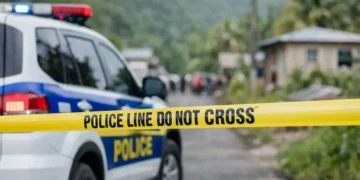


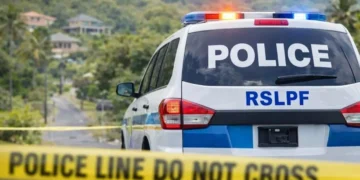













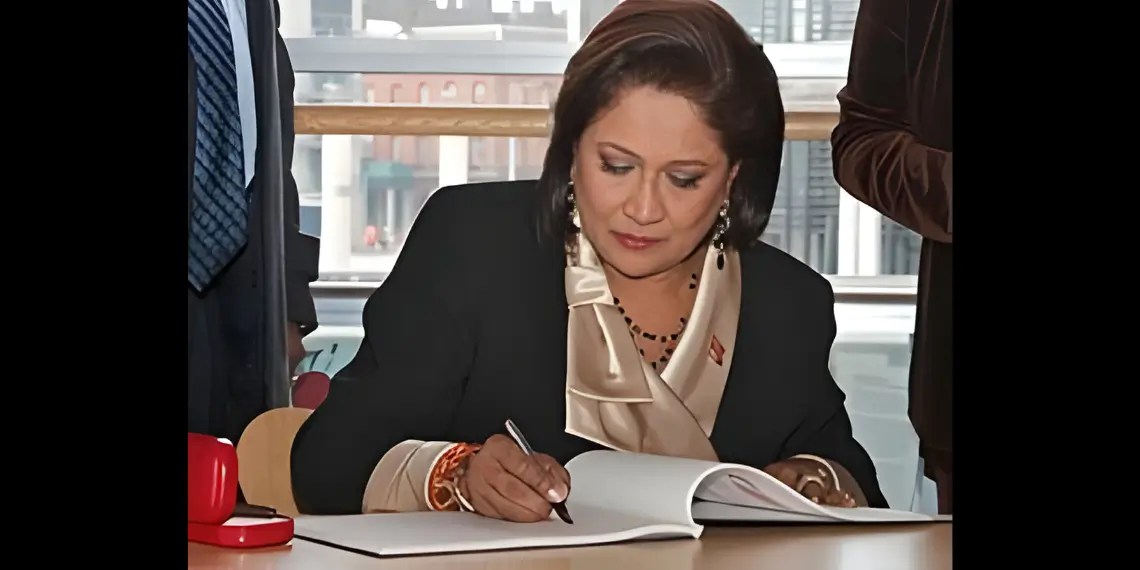
PORT OF SPAIN, Trinidad — Prime Minister Kamla Persad-Bissessar moved to reassure the public and respond to political criticism after declaring emergency security measures, as Kamla defends Trinidad State of Emergency as a necessary step to protect law-abiding citizens and confront criminal networks threatening national stability.
In a statement posted to her official X platform, Persad-Bissessar said she is prepared to take difficult decisions in defense of public safety amid criticism from the Opposition.
“I am not afraid to take tough decisions in the defence of law-abiding citizens of Trinidad and Tobago,” the prime minister said, adding that citizens have for too long been left vulnerable to violent criminal activity.
The declaration of the State of Emergency has sparked political debate, with Opposition figures questioning the government’s strategy and the necessity of emergency powers.
Why Kamla Defends Trinidad State of Emergency Measures
Persad-Bissessar said the States of Emergency declared under her administration are not political gestures but responses to credible intelligence indicating threats to the country.
“These are not band-aids,” she wrote. “They are triggered by credible intelligence of threats to our nation.”
The prime minister said her government would use every lawful tool available to dismantle criminal networks and restore public confidence in national security.
“Criminals will not hold Trinidad and Tobago to ransom,” Persad-Bissessar said. “They will not dictate terms to those in authority, and they will not overpower law-abiding citizens.”
Her statement emphasized that both the attorney general and government officials have outlined the legal basis and security rationale behind the emergency declaration.
Sharp Criticism of Former PNM Administration
Persad-Bissessar also used the statement to criticize the former People’s National Movement government, arguing that previous efforts to combat crime lacked a sustainable strategy.
She described the earlier State of Emergency implemented under the former administration as ineffective and politically motivated.
“Their State of Emergency was not a strategy. It was a spectacle,” Persad-Bissessar said. “It was a political gimmick designed to create the appearance of action, not to deliver results.”
The prime minister alleged that the previous administration failed to adequately address illegal firearms, narcotics trafficking, and human trafficking while crime escalated across the country.
She also referenced the broader human impact of violent crime, noting that thousands of citizens had been affected by murder, sexual violence, and armed robberies over the years.
According to Persad-Bissessar, her government inherited a nation where gangs operated with significant influence and where communities lived in fear of criminal violence.
Opposition Accused of Resisting Security Policies
Persad-Bissessar further accused the Opposition of obstructing policies aimed at strengthening national security.
She questioned why critics had opposed initiatives such as a United States-supported radar system designed to enhance border and maritime surveillance. She also pointed to resistance against proposed Zones of Special Operations legislation, which would have allowed law enforcement to target crime hotspots while rebuilding social infrastructure in affected communities.
The prime minister suggested that some political actors appear determined to block policies intended to dismantle criminal networks.
“Why is the PNM so determined to obstruct policies designed to target criminals?” she asked in the statement.
Government Highlights Security Reforms
Persad-Bissessar said her administration has already taken several steps aimed at restoring law and order.
These include the passage of Stand Your Ground and Home Invasion legislation, expanded security cooperation with the United States to strengthen border protection, and measures to ensure permanent leadership within the national police service.
She also cited increased police patrols, additional law enforcement resources, and tighter road traffic regulations as part of broader efforts to restore stability and public confidence.
Persad-Bissessar commended members of the country’s law enforcement agencies for their work in confronting criminal networks and maintaining public safety.
The latest State of Emergency declaration comes amid continuing concern over violent crime and gang activity in Trinidad and Tobago, with citizens closely watching whether the government’s emergency powers will lead to measurable improvements in security.