

















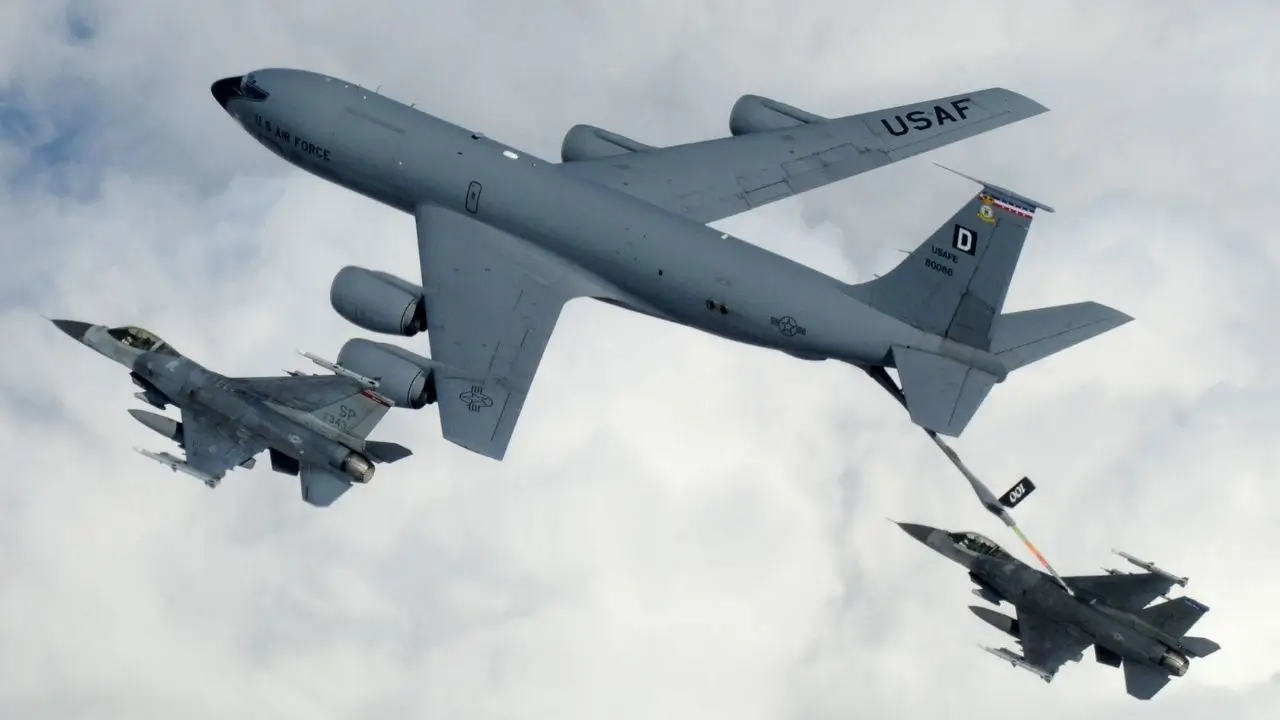
TAMPA, Fla. — The KC-135 crash in Iraq has now been confirmed to have killed all six crew members aboard the U.S. aerial refueling aircraft, according to a subsequent update from U.S. Central Command after an earlier statement said four service members had been confirmed dead.
The aircraft went down on March 12 in western Iraq while flying over what officials described as friendly airspace during a mission tied to Operation Epic Fury. Central Command said the aircraft loss was not caused by hostile fire or friendly fire, a detail that immediately narrowed early speculation but still left major questions unanswered about what caused the fatal incident.
The phased nature of the military’s public updates quickly became a major part of the story. In its initial statement, Central Command said four of the six crew members had been confirmed deceased while search and recovery efforts continued. A later statement then confirmed that all six service members aboard the KC-135 had died.
That sequence matters because military casualty reporting is often released cautiously as authorities work to confirm conditions on the ground, account for all personnel, and notify families. In cases involving aircraft losses, officials typically avoid releasing a final death toll until recovery efforts are more complete and next of kin procedures are underway.
The identities of the dead have not yet been released. Under standard U.S. military policy, the names of service members killed in an incident are withheld until 24 hours after the next of kin have been notified.
Investigators work to determine what brought down the aircraft
The cause of the crash remains under investigation, and Central Command has not yet released detailed findings about what happened in the moments before the aircraft was lost.
Officials said investigators are reviewing the available evidence, including flight data and operational communications, to establish a clear timeline of events. The military has also not publicly disclosed the precise crash location in western Iraq, nor has it said whether mechanical failure, environmental conditions, or another operational factor may have contributed to the incident.
What officials have made clear is that the aircraft was not lost as a result of enemy engagement. That point is significant because it shifts attention away from combat-related causes and toward the broader risks of military aviation, especially in active operational theaters where aircraft are flying demanding missions under complex conditions. The incident also comes as the U.S. military continues to reckon with other aviation losses in the region, including a case in which F-15E Strike Eagles were downed in a friendly fire incident over Kuwait.
The absence of immediate details is not unusual. Early military statements following overseas aviation incidents often focus first on recovery, site control, force protection and family notification before more comprehensive investigative findings are released.
Deadly KC-135 crash in Iraq underscores aviation risks beyond combat
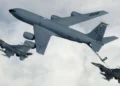
The KC-135 is a long-range aerial refueling aircraft used to extend the operational range of fighter jets, bombers, and surveillance aircraft. According to the U.S. Air Force, the KC-135 Stratotanker aerial refueling aircraft has served as a core component of American air power for decades.
That support function is especially important in the Middle East, where U.S. military aircraft often operate across vast areas in support of surveillance, deterrence, and rapid-response missions. Aerial refueling extends mission endurance and gives commanders greater operational flexibility, making the KC-135 an essential part of modern air power even when it is not involved in direct frontline combat.
Because of that role, the loss of a KC-135 is significant both operationally and humanly. These aircraft are part of the logistics backbone that keeps broader missions functioning. When one is lost, the damage is measured not only in equipment but in the lives of highly trained personnel and the disruption felt across units that depend on those missions.
The crash also highlights a reality that is often less visible in public discussion of military operations. Not every fatal military incident comes under enemy fire. Service members face serious risks in transportation, aviation, maintenance, and support missions that are vital to operational readiness but often receive less attention than combat sorties.
Loss of all 6 crew members deepens human toll of the incident
For the families of the dead, the shift from an initial report of four confirmed fatalities to a later confirmation that all six crew members were killed would have extended an already painful period of uncertainty.
That human dimension is central to understanding the weight of the incident. Behind the aircraft designation and official military language are six service members whose mission was to support ongoing U.S. operations from the air, not from the headlines. Their deaths underscore how support crews, though less publicly visible than frontline combat forces, remain exposed to severe danger in carrying out complex assignments.
The incident is also likely to resonate beyond the immediate unit involved. Fatal military aviation accidents often trigger broader reviews, renewed scrutiny of procedures, and reflection across the force about mission risk, aircraft condition, and operational tempo. Until investigators complete their work, many of those larger questions will remain unanswered.
For now, the confirmed loss of all six crew members marks a tragic development in a mission that began as a routine operational flight in friendly airspace. What started as a partial casualty confirmation has ended with the deaths of the full crew, turning the KC-135 crash in Iraq into a stark reminder of the dangers that persist even outside direct combat.
Further updates are expected as the investigation continues and as the U.S. military prepares to release the identities of the service members once family notification requirements have been met.