






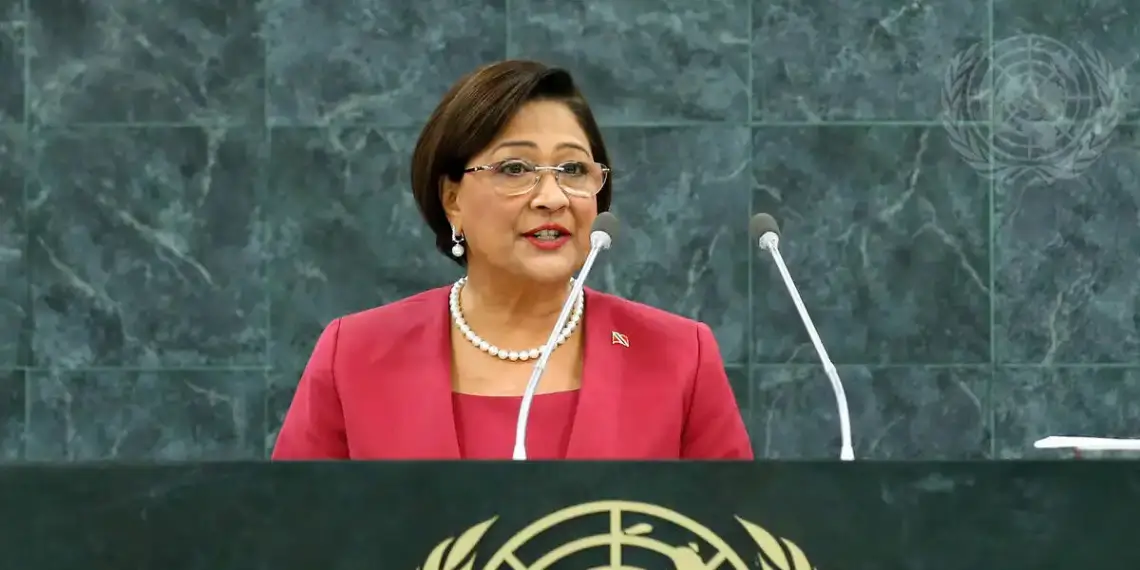
PORT OF SPAIN, Trinidad and Tobago — Prime Minister Kamla Persad-Bissessar left for the United States on Thursday ahead of the Shield of the Americas summit, where she is expected to hold talks with President Donald Trump and senior US officials as Trinidad and Tobago seeks new energy and security opportunities.
The summit, scheduled for Friday in Doral, Florida, is part of a new Trump administration initiative aimed at strengthening cooperation with Latin American countries on regional threats, including drug trafficking and illegal immigration. Government officials say Persad-Bissessar will also use the trip to pursue bilateral discussions with several regional leaders.
Trinidad and Tobago and Guyana are the only two CARICOM countries invited to the meeting, a distinction officials presented as a sign of Port of Spain’s growing relevance in Washington’s regional agenda. The trip follows the recent CARICOM Heads of Government meeting in St Kitts, where Persad-Bissessar received the US invitation.
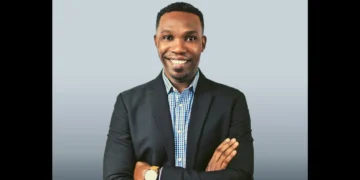
Speaking at a media conference at the Diplomatic Centre on Wednesday, Minister in the Office of the Prime Minister Nicholas Morris said the visit offers a chance to deepen ties with the United States and translate diplomatic access into practical benefits for citizens.
He said Persad-Bissessar is expected to meet not only Trump but also Secretary of State Marco Rubio, US Trade Representative Jamieson Greer, and Secretary of Energy Chris Wright.
Why the Shield of the Americas summit matters for Trinidad and Tobago
The Government has framed the visit as more than a diplomatic appearance, presenting it as an opening to advance Trinidad and Tobago’s interests in energy, trade, and national security. For a country confronting economic pressure and regional security concerns, direct engagement with senior US decision-makers could carry consequences well beyond the summit itself.
Morris described the current relationship with Washington as the strongest since diplomatic ties were established, suggesting the administration sees the moment as an opportunity to secure concrete gains. Those gains, officials say, could include expanded cooperation in areas tied to border security, energy policy, and broader strategic investment.
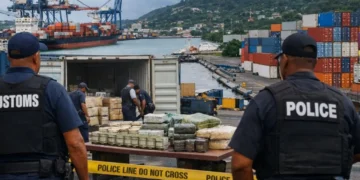
The summit’s focus on drug trafficking and irregular migration also places Trinidad and Tobago inside a wider hemispheric conversation about crime, border control, and regional stability. That is especially significant for Caribbean states seeking stronger partnerships while balancing their own domestic security needs.
Bilateral meetings widen regional push
Beyond the main summit, Persad-Bissessar is also expected to pursue separate meetings with the presidents of Argentina, Panama, El Salvador, and the Dominican Republic. Morris said those discussions were requested through the Ministry of Foreign and CARICOM Affairs as part of a broader strategy to build partnerships and bring opportunities back to Trinidad and Tobago.
That bilateral outreach suggests the delegation is treating the trip as both a US engagement and a regional diplomatic exercise. By meeting leaders from across Latin America and the Caribbean, the Government appears intent on positioning Trinidad and Tobago as an active player in hemispheric affairs rather than a passive summit participant.
Accompanying the Prime Minister are Foreign and CARICOM Affairs Minister Sean Sobers, Public Utilities Minister Barry Padarath, and Morris. Works and Infrastructure Minister Jearlean John will act as Prime Minister during Persad-Bissessar’s absence.
The visit comes at a time when Caribbean governments are navigating shifting US priorities on migration, security, and trade. For Trinidad and Tobago, the value of the trip will likely be measured not only by access to Trump and top US officials, but by whether the meetings produce visible outcomes for energy development, economic opportunity, and public safety at home.