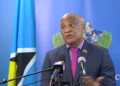













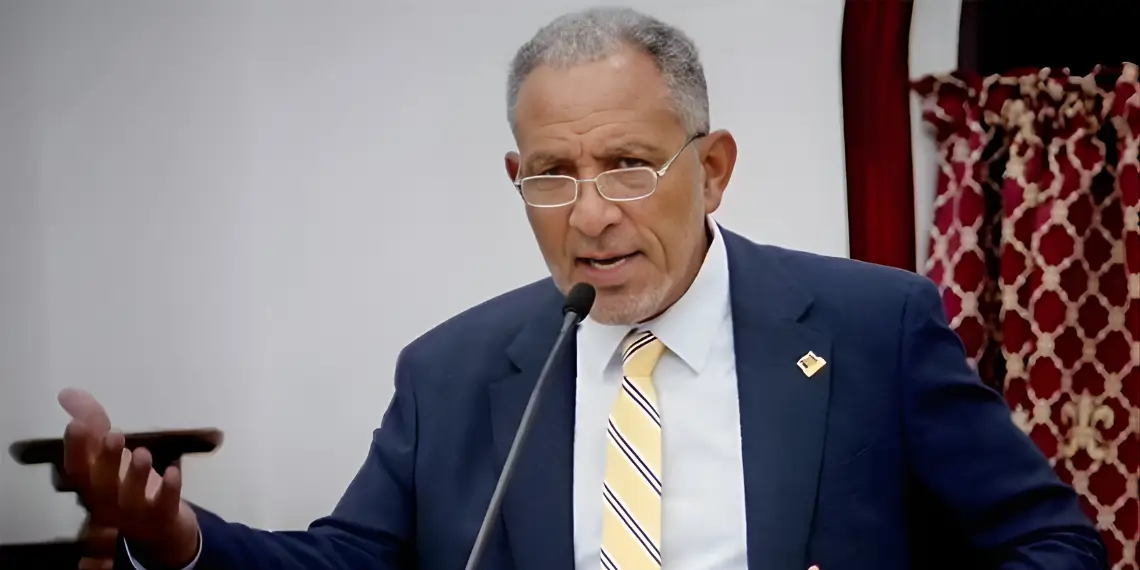
KINGSTOWN, St Vincent — St Vincent boat strikes are under renewed scrutiny after Prime Minister Godwin Friday said Tuesday that his government did not approve a U.S. operation targeting an alleged drug-smuggling vessel in Vincentian waters on Feb. 13, an incident in which the U.S. military says 3 people were killed.
Friday said his administration was not officially briefed before the strike and did not receive direct notification afterward, leaving his government to learn of the incident from public reporting circulating online.
He said the episode has triggered concern among Caribbean governments about maritime safety, particularly for residents who depend on the region’s sea lanes for fishing, transport, and daily commerce.
Regional leaders press US on St Vincent boat strikes
Friday said the issue was discussed by Caribbean leaders at a regional summit in St Kitts attended by U.S. Secretary of State Marco Rubio, and leaders agreed it requires follow-up with U.S. authorities.
“There has been no direct communication with respect to the strikes with us,” Friday said, adding that the risk to ordinary marine traffic has become a central worry for governments across the region.
The U.S. military has said 3 people were killed in the Feb. 13 operation, but has not publicly identified those who died.
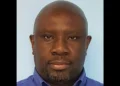
Relatives of a St Lucian boat captain have told the media they fear he may have been among the victims. The family of Ricky Joseph, 35, a father of 4, said he remains missing after departing on a vessel they believe resembled one shown in images shared online after the strike. Details were first reported by The Associated Press.
The U.S. strike campaign began in early September and has killed at least 151 people, according to the AP report, as the administration of U.S. President Donald Trump targets what it describes as “narcoterrorists” operating small vessels.
Migrant transit plan and Cuba aid also discussed
Friday said leaders also discussed a U.S. proposal that St Vincent and other Caribbean countries be used as temporary transit locations for migrants intercepted at the U.S. southern border while repatriation is arranged.
He said St Vincent raised concerns about capacity and legal clarity, and asked for specifics on projected numbers, how long people would remain in transit, and what responsibilities would fall to host countries if removals are delayed.
Friday said the leaders’ goal is a coordinated regional approach, noting that movement between some Eastern Caribbean states is relatively open, which could complicate any transit arrangement if details are not tightly defined.
He added that leaders also agreed to organize humanitarian support for Cuba, with coordination to be handled through Caricom’s secretariat, the administrative arm of the 15-member regional trade bloc.