













LONDON, United Kingdom — The United Kingdom government has confirmed that concerns over St Lucia’s Citizenship by Investment programme helped shape its decision to tighten entry rules, as the UK cites CIP in new visa rule for St Lucia alongside rising asylum claims and broader border security concerns.
The disclosure appears in an official statement published by the UK Home Office on March 5, outlining a broader crackdown on visitors entering Britain visa-free and subsequently claiming asylum.
Under the revised immigration rules, St Lucian nationals must now apply for a visa before travelling to the United Kingdom.
The policy ends decades of visa-free travel between the two countries and places St Lucia alongside Nicaragua as the latest nations affected by the UK’s tightening immigration controls.
Asylum claims rise as UK cites CIP in new visa rule for St Lucia
According to the Home Office statement, the visa requirement was introduced due to “rising and disproportionately high asylum claims” from St Lucian nationals.
British authorities also referenced security concerns related to the island’s Citizenship by Investment programme.
“Saint Lucians will now need visas due to rising and disproportionately high asylum claims, as well as the threat to border security posed by the country’s Citizenship by Investment programme,” the Home Office statement said.
The statement further explained that the programme “grants citizenship in exchange for a one-off payment of $240,000 to the Saint Lucian government.”
Officials also noted that asylum claims from nationals of St Lucia and Nicaragua generate above-average support costs because a higher proportion of applicants arrive without financial resources and require government assistance.
The Home Office said nearly 500 nationals from the two countries are currently receiving asylum support in the UK.
Hilaire’s parliamentary claim clashes with UK statement
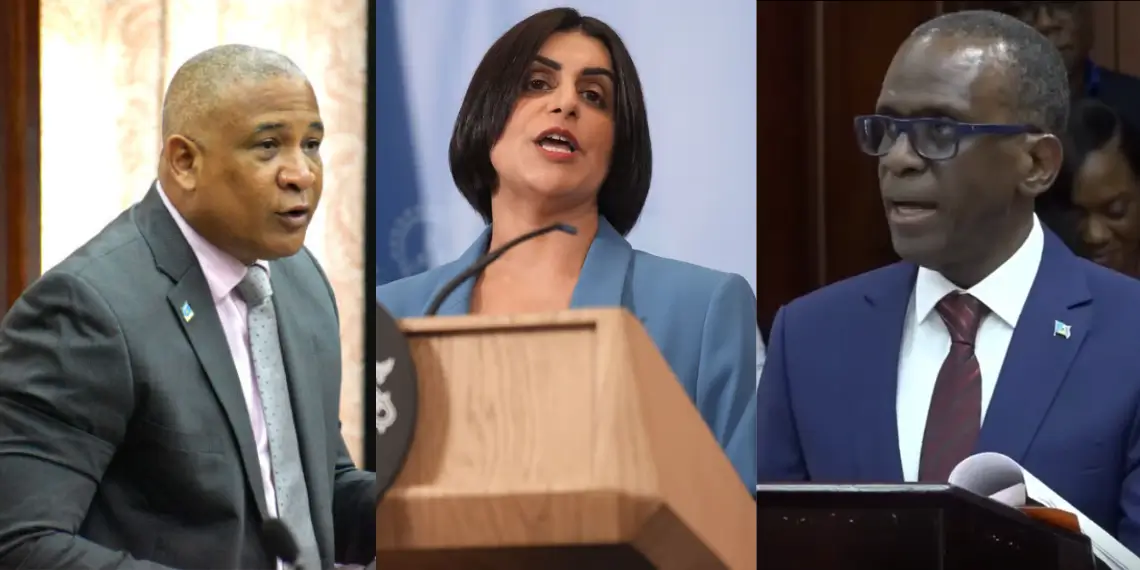
The UK government’s explanation contrasts sharply with statements made in St Lucia’s Parliament by Ernest Hilaire.
Addressing lawmakers, Hilaire rejected suggestions that St Lucia’s Citizenship by Investment programme was responsible for the UK’s decision.
“I say to this Honourable House that it is wrong to leave the impression that Saint Lucia’s CIP is responsible for this problem when, to date, the data needed to establish that claim has not been shared with us,” Hilaire said during parliamentary debate.
He added that the government had been assured that the programme “is not the driver of the decision taken by the United Kingdom.”
However, the wording of the Home Office announcement directly references the Citizenship by Investment programme as part of the rationale behind the new visa requirement.
The UK statement identifies the programme alongside rising asylum claims as factors contributing to what British authorities described as a pressure on the country’s borders.
Prime Minister Philip J. Pierre has previously defended the St Lucia CIP programme, vowing that the programme will continue despite international scrutiny.
Visa crackdown part of wider UK immigration strategy
The visa change affecting St Lucians forms part of a broader immigration crackdown launched by the UK government after identifying a pattern of tourists entering the country legally and later seeking asylum.
Officials said earlier visa restrictions imposed on visitors from Jordan, Colombia and Trinidad and Tobago reduced asylum claims by approximately 93 percent.
The UK government estimates that these measures have prevented more than 6,000 asylum claims and saved more than £370 million in accommodation and support costs since July 2024.
Government data indicates that roughly 39 percent of more than 100,000 asylum claims recorded in Britain last year came from individuals who entered through legal travel routes such as tourism or study visas.
Support services for asylum seekers currently cost the UK government approximately £4 billion annually.
UK vows tougher action against visa abuse
UK Home Secretary Shabana Mahmood said the government would continue tightening immigration controls to prevent what officials described as systematic abuse of visa-free travel privileges.
“I will not tolerate systematic abuse of Britain’s generosity by people granted the privilege of visa-free entry,” Mahmood said in the Home Office statement.
“From imposing visa requirements to shutting down visas entirely, I will do whatever it takes to restore order and control to our border.”
For St Lucians, the immediate consequence is that travellers must now apply for a UK visitor visa before entering Britain, marking a significant shift in travel arrangements between the two countries and highlighting growing international scrutiny of migration risks linked to visa-free travel and investment-based citizenship programmes.