

















Stricter entry rules widen the US visa bond requirement worldwide
WASHINGTON — The US government has expanded its visa bond requirement to include citizens of Antigua and Barbuda and Dominica, part of a sweeping enlargement of a pilot immigration program that will soon apply to nationals of 38 countries seeking short-term entry into the United States.
The Department of State announced Tuesday that 25 additional countries have been added to the list of nations whose citizens may be required to post a visa bond of up to $15,000 when applying for a B1 or B2 visitor visa. The new requirements take effect Jan. 21, according to a notice published on Travel.State.gov.
The expansion comes less than a week after seven countries were added to the program, signaling an accelerated push by the Trump administration to tighten entry rules and reduce visa overstays. Most of the affected countries are in Africa, though the updated list also includes several Caribbean, Latin American, Asian and Pacific nations.
The move builds on broader US travel restrictions affecting Caribbean nationals, including Antigua and Barbuda and Dominica, as Washington intensifies scrutiny tied to visa compliance and overstay enforcement. That trend has already raised concerns across the region about affordability and access to lawful travel, as detailed in earlier Unitedpac St Lucia News reporting on US travel restrictions affecting Antigua and Dominica:
Under the policy, applicants who are otherwise eligible for a visitor visa may be required to post a bond of $5,000, $10,000 or $15,000. The bond amount is determined by a US consular officer during the visa interview. Officials say the measure is intended to ensure that visa holders comply with the terms of their stay and depart the United States within the authorized period.
State Department officials have emphasized that posting a bond does not guarantee visa issuance. If a visa application is denied, the bond is refunded. If a visa is granted, the bond is returned once the traveler demonstrates full compliance with visa conditions. Applicants who submit bond payments without direct instruction from a consular officer risk forfeiting the funds, the department warned.
The policy is the latest in a broader tightening of US entry requirements. In recent years, applicants from visa-required countries have been subject to mandatory in-person interviews, extensive disclosure of social media activity, and detailed reporting of personal, family, travel and residence histories.
US officials argue that visa bonds are an effective enforcement tool, citing overstay data compiled annually by the Department of Homeland Security. Critics, however, say the program places lawful travel out of reach for many families, students and small business operators, particularly in developing countries with close social and economic ties to the United States.
Countries newly subject to the US visa bond requirement as of Jan. 21 include Algeria, Angola, Antigua and Barbuda, Bangladesh, Benin, Burundi, Cabo Verde, Cuba, Djibouti, Dominica, Fiji, Gabon, Ivory Coast, Kyrgyzstan, Nepal, Nigeria, Senegal, Tajikistan, Togo, Tonga, Tuvalu, Uganda, Vanuatu, Venezuela and Zimbabwe.
They join countries already covered under earlier phases of the program, including Bhutan, Botswana, the Central African Republic, the Gambia, Guinea, Guinea-Bissau, Malawi, Mauritania, Namibia, Sao Tome and Principe, Tanzania, Turkmenistan and Zambia.
The visa bond pilot program is authorized under Section 221(g)(3) of the Immigration and Nationality Act and implemented through a Temporary Final Rule. Overstay rates referenced by US officials are based on B1 and B2 data from the Department of Homeland Security’s Entry and Exit Overstay Report.
Applicants required to post a bond must complete Form I-352, the Immigration Bond form, issued by the Department of Homeland Security. Payments must be made through the US Treasury’s Pay.gov platform. Officials have cautioned applicants against using third-party websites, noting that the US government is not responsible for funds paid outside official systems.
The requirement applies regardless of where a visa application is submitted. Applicants are instructed to submit Form I-352 only after being directed to do so by a consular officer and only through the official Pay.gov link provided.
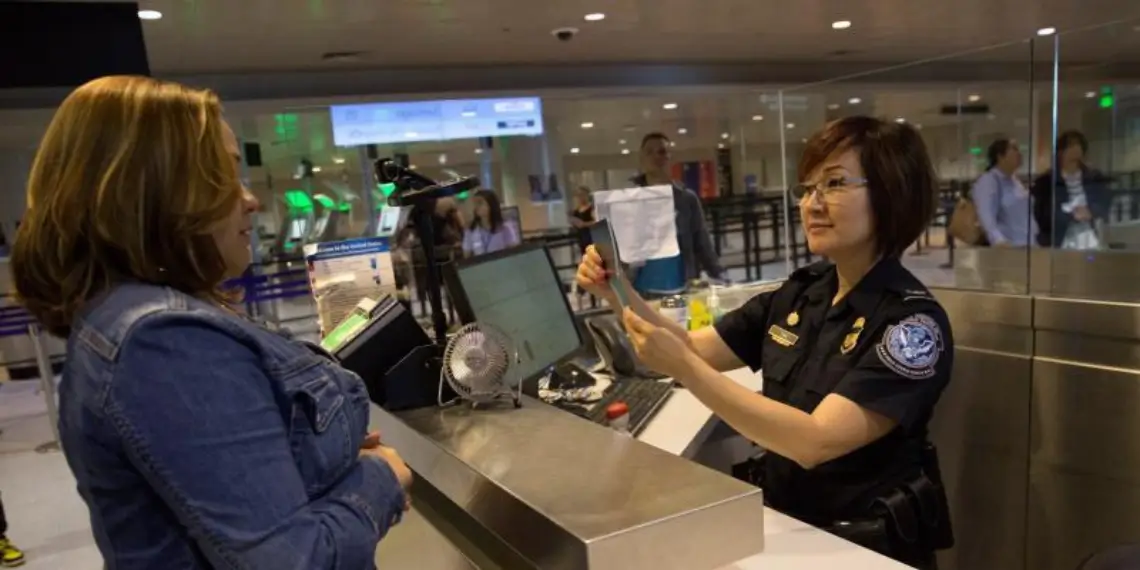
As a condition of the bond, affected visa holders must enter and exit the United States through designated ports of entry. Currently approved airports include Boston Logan International Airport, John F. Kennedy International Airport in New York, and Washington Dulles International Airport. Failure to comply with these conditions could result in denied admission or a departure that is not properly recorded.
Visa bonds are automatically canceled and refunded if the Department of Homeland Security records the traveler’s departure on or before the authorized stay expires, if the traveler never enters the United States before the visa expires, or if the traveler applies for admission at a US port of entry and is denied.
Cases involving potential violations of bond terms, including overstays or attempts to adjust immigration status such as applying for asylum, are referred to the US Citizenship and Immigration Services for review and possible enforcement action.
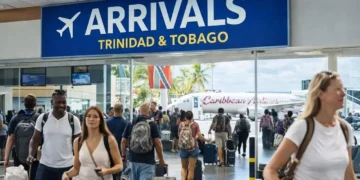
For Caribbean countries such as Antigua and Barbuda and Dominica, the expanded US visa bond requirement represents a significant shift in access to short-term travel to the United States, with potential implications for family connections, tourism and regional mobility.
Unitedpac St Lucia News will continue to follow developments surrounding the US visa bond requirement and its impact on Caribbean travelers and international travel policy.