

















Travel, power and daily life disrupted as massive winter storm spreads
DALLAS, Texas — A massive winter storm sweeping across the United States is threatening more than half of the nation’s population with snow, sleet, ice, dangerously cold temperatures, and widespread power disruptions, according to reporting by the Associated Press.
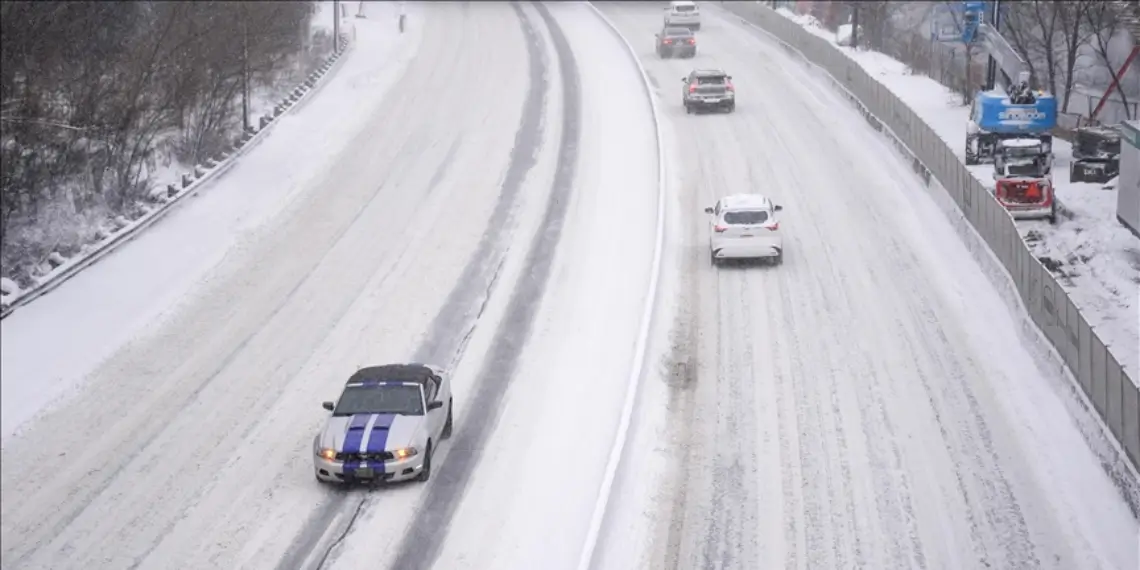
Freezing rain began falling in parts of Texas on Friday as the multi-day system started its eastward trek. Forecasters warned that severe ice accumulation in some areas could cause damage comparable to that seen during major hurricanes, particularly where power lines and trees become heavily coated.
Across the Midwest, schools in cities including Chicago canceled classes as Arctic air settled in. Airlines canceled thousands of flights nationwide ahead of the weekend, while churches moved services online and major events were postponed or held without spectators. Carnival parades in parts of Louisiana were either canceled or rescheduled.
At least 182 million people were under ice or snow watches and warnings, while more than 210 million were affected by cold weather advisories. In many regions, those alerts overlapped, compounding the risk.
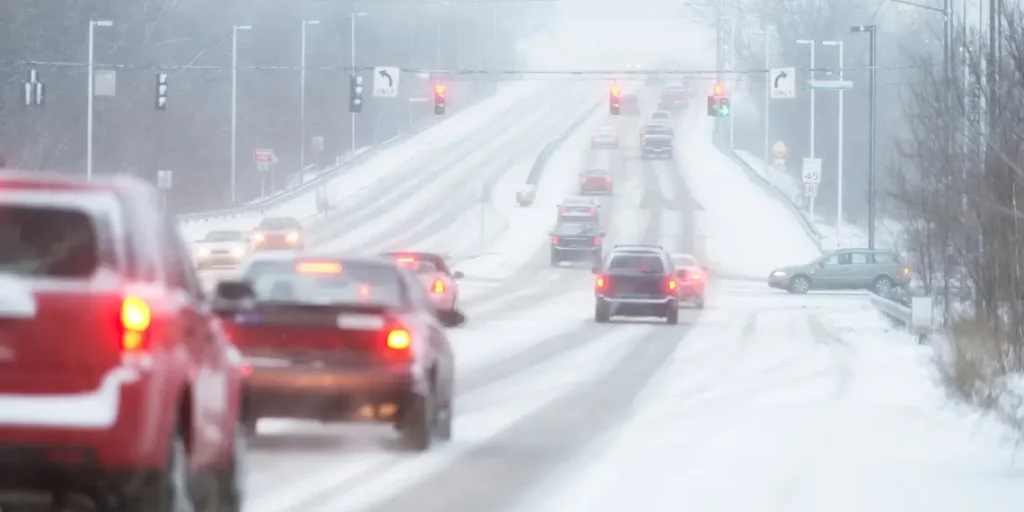
Utility providers prepared for prolonged outages, noting that ice-covered trees and power lines can continue to fall long after precipitation ends. In parts of Texas, residents stocked up on food and supplies as roads became slick. In Lubbock, freezing rain coated streets as temperatures dropped sharply during the afternoon.
Forecasters said the storm is being driven by a surge of Arctic air spilling south from Canada. Wind chills in parts of the northern Plains plunged to levels where frostbite could occur within minutes, prompting widespread school closures across the Midwest. In North Dakota, wind chills dropped to minus 41 degrees Fahrenheit as residents bundled up to perform basic outdoor tasks.
Despite the cold, daily life continued in some places. Protests over immigration policy proceeded in Minneapolis, while residents in other regions focused on preparing homes and vehicles for the days ahead.
Nationwide flight disruptions mounted quickly. Nearly 5,000 flights were delayed or canceled on Friday, with thousands more scrapped for Saturday. Transportation agencies in Oklahoma treated roads with salt brine, canceled trooper leave and activated National Guard units to assist stranded motorists.
Federal emergency officials placed nearly 30 search and rescue teams on standby. The Federal Emergency Management Agency positioned millions of meals, hundreds of thousands of blankets and hundreds of generators across the projected storm path. President Donald Trump said his administration was coordinating closely with state and local officials and that FEMA was prepared to respond.
As the storm progresses, forecasters warned that thawing could be slow. Ice can add hundreds of pounds to trees and power lines, increasing the risk of failures even after temperatures rise slightly. In much of the South, electricity is the primary source of home heating, raising concerns about prolonged outages.
The heaviest ice is expected in parts of northern Mississippi and western sections of the Carolinas. Even moderate ice accumulation can cause widespread blackouts. A severe cold snap five years ago crippled much of Texas’ power grid, leaving millions without electricity for days and contributing to hundreds of deaths.
In Atlanta, plumbing companies prepared for a surge in frozen pipe repairs as temperatures were forecast to remain below freezing for extended periods. In the Northeast, cities braced for what could be the heaviest snowfall in years. Boston declared a cold emergency, while Connecticut coordinated with neighboring states in anticipation of travel restrictions. Philadelphia announced school closures, and officials urged residents to limit travel.
For vulnerable populations, the storm posed heightened risks. Emergency shelters opened in several cities, including Detroit, where individuals without stable housing sought warmth as temperatures dropped.
Forecasters cautioned that the storm’s scale, combined with ice, snow and prolonged cold, makes it particularly dangerous. Residents across affected regions were urged to monitor official forecasts, avoid unnecessary travel and prepare for potential power disruptions as the massive winter storm continues moving east across the United States.