














CASTRIES, St Lucia — Mass Resignations in Saint Lucia Healthcare have intensified concerns over the state of the island’s public health system, as the departure of several senior doctors and medical specialists from the Owen King European Union (OKEU) Hospital raises serious questions about hospital management, staffing shortages and government accountability.
At least six consultants were reported to have resigned during that year, with the departures drawing attention to complaints about hospital administration, working conditions, staffing and the availability of essential medical resources.
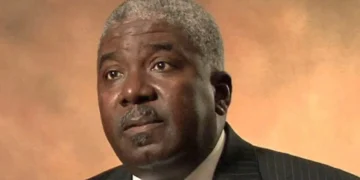
Among the prominent medical professionals identified in reports of the departures were Dr. Merle Clarke, president of the Saint Lucia Medical and Dental Association (SLMDA), and Dr. Lisa Charles, who served as Director of Clinical Services at the Millennium Heights Medical Complex (MHMC). Dr. Silvia Wilson was also identified among the departing physicians.

The three represented only a portion of the medical professionals reported to have left the institution, raising broader questions about the hospital’s ability to retain experienced personnel.
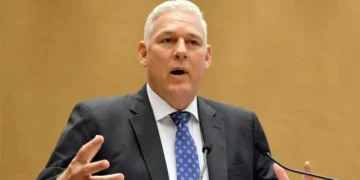
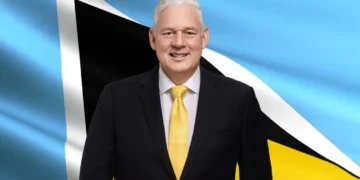
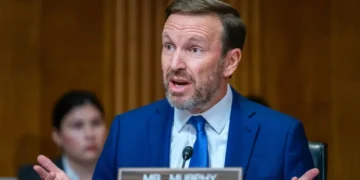
The controversy also prompted opposition leader Allen Chastanet to renew calls for healthcare investment, while Health Minister Moses Jn. Baptiste acknowledged that some departing doctors had raised longstanding concerns about the hospital’s management.
Mass Resignations in Saint Lucia Healthcare Raise Alarm
The staffing controversy followed months of public concern over conditions at OKEU Hospital, one of Saint Lucia’s principal public healthcare institutions.
In July 2024, Dr. Clarke, acting on behalf of the SLMDA, wrote to the board of the Millennium Heights Medical Complex outlining serious concerns raised by medical practitioners.
The letter drew attention to problems affecting hospital operations, including shortages of essential resources, inadequate facilities and administrative difficulties.
The association called for urgent intervention, arguing that the problems required decisive action from those responsible for managing the institution.
Rather than remaining an internal administrative matter, the letter became the subject of public controversy.
Dr. Clarke subsequently faced criticism over her advocacy, including remarks attributed to government minister Richard Frederick. The opposition United Workers Party condemned Frederick’s comments and called for an apology.
The SLMDA responded publicly in August 2024, condemning what it described as personal attacks and attempts to discredit its president.
In its statement, the association defended Dr. Clarke’s responsibility to represent the concerns of medical professionals and urged the public to remain focused on the underlying healthcare issues.
The dispute raised questions about the relationship between political leaders and healthcare professionals, particularly when medical practitioners publicly criticize the management of government-funded institutions.
The departures of experienced doctors added urgency to those concerns.
Health Minister Acknowledges Hospital Management Problems
The government’s response to the resignations exposed differences in how senior officials characterized the situation.
Prime Minister Philip J. Pierre suggested that doctors leaving their positions was not unusual, noting that medical professionals sometimes resign to pursue other opportunities.
Speaking during a pre-Cabinet briefing, Pierre observed that people frequently leave employment in search of better prospects.
However, Health Minister Moses Jn. Baptiste subsequently acknowledged that some of the departing professionals had identified longstanding concerns about the management of OKEU Hospital.
According to a DBS News report, Jn. Baptiste said the government needed to reflect on the reasons medical professionals were leaving.
He acknowledged that some departing doctors had provided explanations relating to longstanding management concerns and indicated that those complaints were being considered.
The minister also emphasized that the government valued healthcare professionals and wanted to benefit from their experience.
His acknowledgment was significant because it established that at least some departures involved institutional grievances rather than simply the pursuit of opportunities elsewhere.
Jn. Baptiste said recruitment efforts were underway and pointed to Saint Lucia’s continuing cooperation with Cuba as one avenue for securing additional medical personnel.
He also noted that the movement of doctors and nurses into overseas employment or private practice was a challenge affecting healthcare systems throughout the Caribbean.
Nevertheless, the minister’s statements left important questions unanswered, including what specific administrative changes would be implemented and how the government intended to prevent further losses of experienced personnel.
Moses Jn. Baptiste Faces Questions Over Healthcare Leadership
The staffing controversy also placed Health Minister Moses Jn. Baptiste’s political record under scrutiny.
Before entering government, Jn. Baptiste was a vocal member of the opposition, during a period when healthcare management and the delivery of public medical services were prominent political issues.
His subsequent appointment as health minister placed responsibility for addressing those challenges within his portfolio.
The resignations at OKEU Hospital consequently raised a fundamental question of political accountability: whether the administration had made sufficient progress in resolving the problems it inherited.
Critics of the government have argued that the departure of senior medical professionals, coupled with complaints about hospital management and shortages of essential resources, reflects shortcomings in the administration’s handling of healthcare.
The government, however, has pointed to recruitment initiatives, international medical cooperation and efforts to address institutional problems.
While the resignations and documented complaints demonstrate significant challenges, establishing whether healthcare outcomes deteriorated overall under Jn. Baptiste would require comparative evidence involving staffing, patient outcomes, waiting times, medical supplies and service availability.
The central accountability issue remains whether the measures announced by the government produced meaningful improvements for healthcare workers and patients.
Allen Chastanet Highlights SMART Healthcare Investments
Against this backdrop, opposition leader Allen Chastanet used a Facebook statement to highlight investments in healthcare infrastructure undertaken during his administration.
Chastanet recalled his government’s involvement in upgrading health facilities across Saint Lucia between 2018 and 2020 through cooperation with the Pan American Health Organization and the United Kingdom.
He said the objective was to improve the safety, environmental sustainability and resilience of healthcare facilities, particularly during natural disasters.
The SMART Health Care Facilities initiative sought to strengthen buildings against hazards while reducing energy and water consumption.

The programme began before Chastanet took office, with PAHO implementing the UK-supported regional initiative from 2015. In Saint Lucia, 15 facilities received retrofits or upgrades, while another benefited from a SMART design.
In his statement, Chastanet characterized the investments as part of his administration’s commitment to strengthening public healthcare infrastructure.
He urged the current government to continue prioritizing healthcare facilities and ensuring that Saint Lucians could access reliable medical services.
The former prime minister’s intervention placed the government’s healthcare performance back into the political spotlight.
However, infrastructure upgrades and hospital staffing represent different dimensions of healthcare delivery. Improved buildings can strengthen resilience and patient safety, but they do not independently resolve shortages of doctors, nurses, equipment or essential medical supplies.
Healthcare Staffing and Patient Care Remain Central Concerns
The departure of experienced consultants and medical administrators raises legitimate concerns about continuity of care and the sustainability of specialist services.
Consultants often perform responsibilities extending beyond direct patient treatment, including supervising junior doctors, managing complex cases and supporting clinical decision-making.
When experienced personnel leave, hospitals must consider how their responsibilities will be reassigned and whether suitable replacements are available.
The resignation of Dr. Lisa Charles from her senior clinical leadership position also highlighted the importance of retaining experienced administrators responsible for coordinating medical services.
Although recruitment initiatives may help address vacancies, the effectiveness of those efforts depends on the qualifications of incoming professionals, the positions being filled and the hospital’s ability to retain them.
Saint Lucia’s cooperation with Cuba has long formed part of the country’s healthcare workforce arrangements. Nevertheless, recruitment alone cannot address every concern raised about management, workplace conditions and medical resources.
For patients, the most important questions concern whether specialist appointments, emergency services, diagnostic procedures and other essential treatments remain accessible.
The publicly reported resignations do not, by themselves, establish that particular services were suspended or that patient outcomes deteriorated. Those consequences require separate verification through hospital records and official service data.
Calls for Accountability and Lasting Healthcare Reform
The controversy surrounding OKEU Hospital demonstrated how staffing concerns can develop into broader questions about governance, political leadership and public confidence.
The SLMDA’s complaints placed hospital management under scrutiny, while the subsequent resignations raised concerns about the retention of experienced medical professionals.
The public disagreement involving Dr. Clarke also highlighted the importance of allowing healthcare practitioners to raise professional concerns without those discussions becoming dominated by political accusations.
For the government, the challenge extended beyond filling vacant positions.
It involved demonstrating that the concerns raised by medical professionals were being addressed through measurable improvements in management, working conditions, equipment availability and healthcare delivery.
For the opposition, criticism of the administration’s performance also carried an obligation to present practical proposals capable of strengthening the system.
The 2024 resignations remain an important chapter in the debate over Saint Lucia’s healthcare system. Determining whether the problems have since improved requires updated staffing figures, hospital performance information and responses from the responsible authorities.
Ultimately, the measure of healthcare reform is not the number of political statements issued or the facilities opened, but whether Saint Lucians can obtain timely, safe and dependable medical care when they need it most.