







U.S. indictment details Caribbean politicians tied to cocaine trafficking
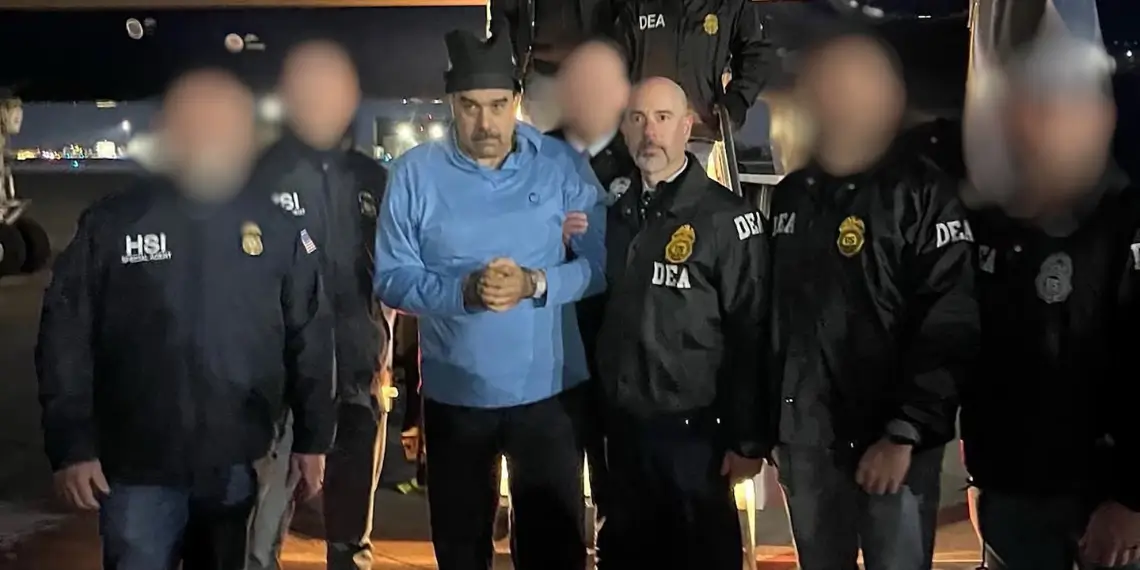
NEW YORK — Caribbean politicians were tied to a sprawling cocaine trafficking network that moved drugs from Venezuela north toward the United States, according to a superseding indictment unsealed by U.S. prosecutors, which also names Venezuelan President Nicolás Maduro, now in U.S. custody. The filing alleges that politicians along key Caribbean transit routes accepted drug money in exchange for protection from arrest and permission for favored traffickers to operate with impunity, the U.S. Department of Justice said.
The indictment, filed in the U.S. District Court for the Southern District of New York, describes a transnational narcotics enterprise that relied on corruption at every stage of the supply chain. Prosecutors allege that cocaine producers in Colombia, transporters and distributors in Venezuela, and recipients and re-distributors at transshipment points north all benefited from a system in which traffickers enriched themselves and corrupt political protectors across the region.
According to the indictment, Venezuela became a central hub for cocaine trafficking beginning in or about 1999, leveraging its geographic access to Colombia and the Caribbean Sea. U.S. authorities estimate that by around 2020, between 200 and 250 metric tons of cocaine were trafficked through Venezuela annually, much of it destined for U.S. markets.
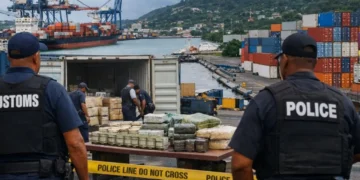
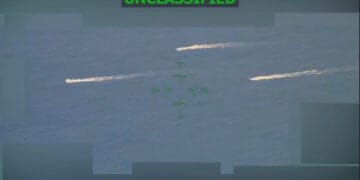
From Venezuela, cocaine shipments were moved north using go-fast vessels, fishing boats, container ships, and aircraft departing from clandestine airstrips and commercial airports. The indictment states that Caribbean maritime and air routes served as critical transshipment corridors, allowing cocaine to be redistributed and moved closer to the United States.
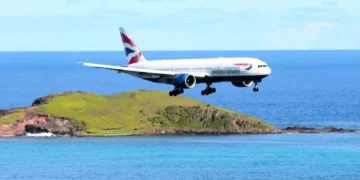
A regional security source familiar with Caribbean air traffic alleged that a Venezuelan aircraft linked to the Maduro government was observed landing at George Charles Airport on multiple occasions under the cover of darkness, without appearing on publicly available flight schedules. The source said the alleged landings occurred during the administration of former prime minister Kenny Anthony and, according to the same account, continued under the current government led by Prime Minister Philip J. Pierre. The source did not provide documentary evidence, and Unitedpac St Lucia News could not independently verify the claims.
Politicians allegedly paid for protection and impunity
U.S. prosecutors allege that cocaine traffickers operating along Caribbean routes paid politicians to shield them from arrest and law enforcement scrutiny. In return, favored traffickers were allegedly allowed to move drugs freely through ports, territorial waters, and airspace without interference.
“So, too, were politicians along the ‘Caribbean route’ corrupted by cocaine traffickers,” the indictment states, adding that these officials were paid to protect traffickers and allow them to operate with impunity as cocaine moved north toward the United States.
The filing alleges that cocaine-fueled payments were used by politicians to maintain and expand their political power, reinforcing a cycle in which criminal profits and political influence became intertwined — a dynamic critics say reflects broader governance failures within the region, including long-standing concerns about a dysfunctional CARICOM framework that has struggled to confront transnational crime.
Venezuela’s leadership accused of enabling regional corruption
The indictment centers on Venezuelan President Nicolás Maduro and senior members of his regime, accusing them of presiding over a system of narcotics-based corruption that extended beyond Venezuela’s borders. Prosecutors allege that Maduro and his co-conspirators partnered with major drug trafficking and narco-terrorist organizations, including Colombia’s FARC and ELN, Mexico’s Sinaloa Cartel and the Zetas, and Venezuela-based Tren de Aragua.
According to the indictment, profits from cocaine trafficking enriched Venezuelan political and military elites and helped empower violent criminal groups that relied on protection from corrupt officials. U.S. prosecutors say those same dynamics enabled corruption to spread throughout transshipment regions, including the Caribbean.
Regional implications for governance and security
The allegations outlined in the U.S. indictment have renewed scrutiny of governance and security vulnerabilities across the Caribbean, particularly in relation to transnational crime and political accountability. Regional leaders have previously acknowledged these challenges, with the Caribbean Community warning of “grave concern” over threats facing the region’s stability and institutions.
U.S. prosecutors argue that corruption linked to cocaine trafficking undermined governance and the rule of law, allowing criminal networks to embed themselves within political systems and weaken public institutions.
Legal posture and next steps
U.S. officials emphasize that the allegations outlined in the indictment are charges, not convictions, and that defendants are presumed innocent unless proven guilty in court. Several individuals named in the filing remain outside U.S. custody.
The case represents one of the most extensive U.S. efforts to link large-scale cocaine trafficking with political corruption across borders. Prosecutors say holding both traffickers and their alleged political protectors accountable is critical to disrupting the networks that continue to funnel drugs toward the United States.
For continued coverage of this investigation and other major regional developments, continue following Unitedpac St Lucia News for more breaking news.