





Regional scrutiny grows as Caribbean politicians tied to Maduro scandal face questions
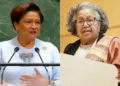
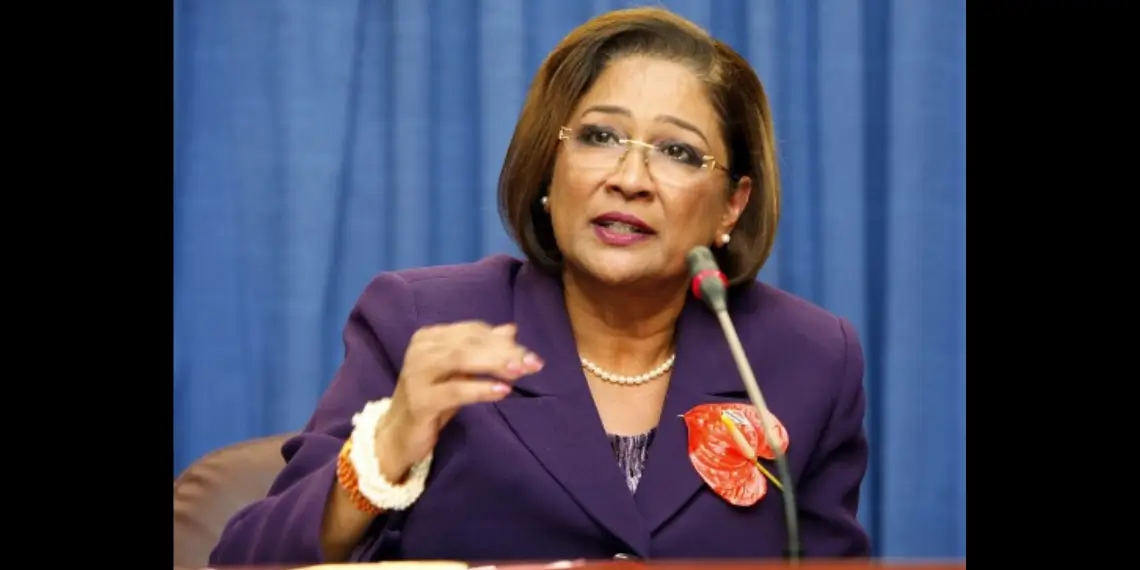
PORT OF SPAIN, Trinidad and Tobago — Prime Minister Kamla Persad-Bissessar has warned that Caribbean political figures linked to the widening U.S. criminal case involving Venezuelan President Nicolás Maduro will eventually be exposed, as she moved to reassure citizens that Trinidad and Tobago faces no crisis stemming from recent developments in Venezuela.
In public statements posted on X, the prime minister dismissed claims of instability or disruption at home, insisting that Trinidad and Tobago remains unaffected by political and legal turmoil unfolding across the region. She described the day as “normal,” with citizens going about their daily business, and rejected suggestions that events in Venezuela have spilled over into Trinidad and Tobago.
“There is no crisis in Trinidad and Tobago,” Persad-Bissessar wrote. “Today, just like yesterday, was a normal day. Citizens, just like myself, went about our normal business. We are not involved, so citizens have no need to be bothered.”
Her comments came as renewed attention focuses on a long-running U.S. indictment accusing Maduro and senior figures in his administration of large-scale narcotics trafficking and corruption. While the case does not name Trinidad and Tobago or its officials, the indictment has reignited regional debate about political relationships, financial flows, and historical engagement with Caracas.
Asked by the media whether she was surprised that Caribbean politicians could be implicated as the case develops, Persad-Bissessar said she was not.
“I’m not surprised at all,” she stated. “As the story continues to unfold, I have no doubt that many ‘respectable’ and ‘celebrated’ people across all sectors of society will be exposed.”
The prime minister did not identify specific individuals or governments, but her remarks appeared to underscore long-standing concerns across the Caribbean about political financing, governance standards, and alleged links between regional elites and Venezuelan interests during years of economic and diplomatic engagement.
Dragon gas project addressed
Persad-Bissessar also used her statement to clarify Trinidad and Tobago’s position on the long-discussed Dragon gas project, a proposed cross-border energy initiative involving offshore Venezuelan gas reserves and Trinidad and Tobago’s processing infrastructure.
She stressed that the Dragon gas reserves belong exclusively to the Venezuelan people and that any decision regarding their development must be made by a legitimately elected Venezuelan government.
“Dragon gas is the property of the Venezuelan people,” she said. “Whenever they choose a leader through free and fair democratic elections, that leader will make a decision on Dragon gas.”
The prime minister rejected any suggestion that Trinidad and Tobago had attempted, or intended, to claim Venezuelan resources, stating that the country has never coveted Venezuelan property and never will.
“Trinidad and Tobago does not covet Venezuelan property; we never have and we never will,” she wrote, adding that the country’s focus remains on developing and expanding its own resources.
The Dragon gas project has been widely viewed as a potential boost for Trinidad and Tobago’s energy sector, which has faced declining production in recent years. However, progress has been repeatedly delayed by U.S. sanctions on Venezuela, regulatory hurdles, and political uncertainty under the Maduro administration.
Relations with Venezuela
Despite her blunt remarks about potential exposure tied to the Maduro case, Persad-Bissessar struck a conciliatory tone toward the Venezuelan people, expressing hope for democratic change and renewed bilateral cooperation in the future.
She said Trinidad and Tobago looks forward to strengthening its longstanding relationship with Venezuela once the country transitions away from authoritarian rule.
“As indicated previously, Trinidad and Tobago looks forward to renewed cooperation and the strengthening of our longstanding friendship with the people of Venezuela,” she wrote. “I wish them God’s guidance on their transition from oppression and dictatorship to democracy and prosperity.”
Her statement reflects a delicate balancing act familiar to Caribbean leaders, who have sought to maintain diplomatic engagement with Venezuela while navigating international sanctions, legal scrutiny, and growing pressure for transparency and accountability.
Regional fallout
The U.S. indictment against Maduro has renewed scrutiny of the Caribbean’s historical relationship with Venezuela, particularly during the years of preferential energy arrangements and political alliances that provided economic relief to some governments but later raised questions about oversight and accountability.
Her comments also come amid separate regional reporting on allegations linking some Caribbean political figures to international cocaine trafficking networks, further intensifying calls for transparency and political accountability across the region.
Political analysts note that Persad-Bissessar’s remarks signal an effort to distance Trinidad and Tobago from any perception of complicity while reinforcing a message of stability at home. At the same time, her warning that prominent figures may be exposed suggests growing unease within the region as investigations and disclosures continue.
For now, the prime minister’s message to citizens was one of reassurance: Trinidad and Tobago remains stable, uninvolved, and focused on its own development, even as regional and international attention intensifies around Venezuela and its leadership.
As the U.S. case against Maduro continues to unfold, its broader implications for Caribbean politics, governance, and regional cooperation are expected to remain under close watch.
For more breaking Caribbean political developments and regional accountability reporting, continue following Unitedpac St Lucia News.