



















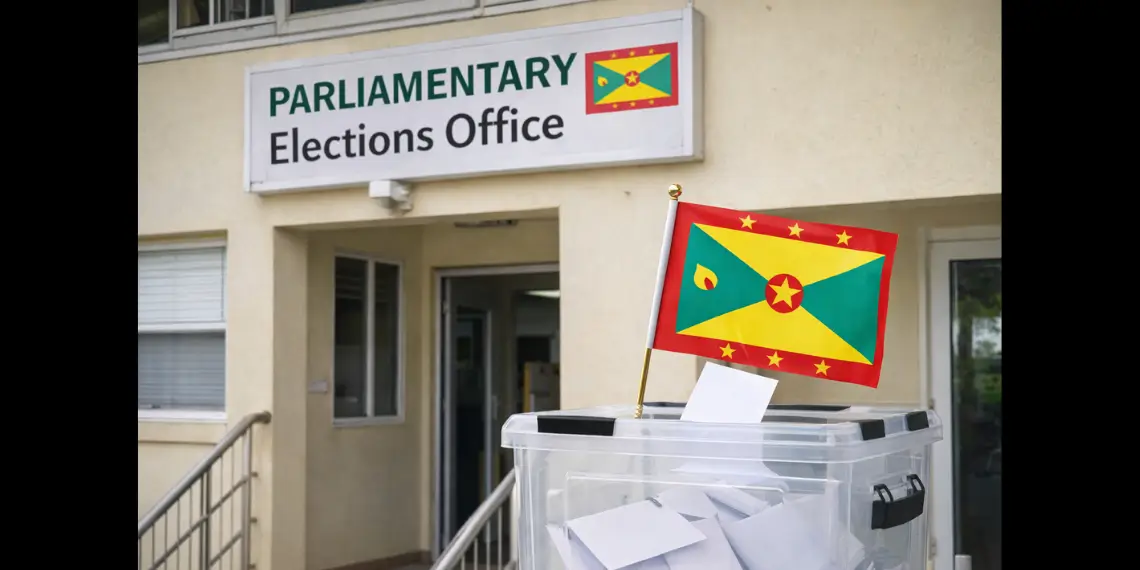
Grenada electoral system failure highlights vulnerabilities in regional elections
ST. GEORGE’S, Grenada — Opposition criticism of Grenada electoral system failure has reignited broader concerns about election integrity across the Caribbean, including in neighboring St Lucia, where debates over voter-registry oversight intensified after the island’s December polls.
The New National Party (NNP) in Grenada this week called on the government to urgently address repeated software failures that temporarily shut down voter services nationwide, warning that such breakdowns undermine confidence in the democratic process. The concerns arrive amid continuing questions in St Lucia about the transparency and security of its electoral roll and voter-registry access following the December 1 vote.
In Grenada, the NNP said the latest malfunction at the Parliamentary Elections Office was symptomatic of an aging system that has repeatedly failed voters and hindered registration services. The party demanded the government immediately disclose the status of a replacement system procurement initiated more than three years ago, explain why no modern voter registration platform has been deployed, and provide a clear public timeline for completion. Critics warn continued delays and silence from authorities only deepen suspicion and weaken faith in electoral institutions.
Across the sea in St Lucia, electoral integrity debates have evolved beyond ballot counting to focus on digital oversight of the voter registry, the database that determines who is eligible to receive a ballot in the first place. Although ballots were hand-counted in public view, analysts and civic observers have raised questions about backend access, data deletion, voter transfers, and user permissions within the registry, issues they argue must be reviewed independently to confirm legitimacy.
St Lucia’s electoral systems administrator publicly dismissed some of these concerns, saying that manual ballot counting ensures transparency. However, cybersecurity commentators and regional election observers contend that tally accuracy does not address whether digital voter-list controls were properly administered, documented, or subject to audit, a critical distinction in safeguarding the full integrity of the process.
Although there is no official evidence that votes in either country were altered or that outcomes were affected by technical glitches or backend access, the overlapping debates point to growing unease in the region about electoral administration and institutional transparency.
Political analysts say these concerns are amplified when opposition figures link them to broader narratives about governance and foreign influence in Caribbean politics.
Some pundits and commentators have suggested that political parties perceived as ideologically aligned with or maintaining diplomatic ties to Venezuela, particularly under the Nicolás Maduro government, face heightened scrutiny over democratic practices.
Venezuela’s own electoral history has been plagued by allegations of irregularities and questions about system impartiality, which have drawn criticism from international actors and opposition leaders alike. Smartmatic, the voting technology provider previously used in Venezuelan elections, publicly disputed official vote totals and later withdrew from the country, citing concerns about electoral conditions.
Still, regional scholars caution against drawing direct causal links between geopolitical alignment and election administration without solid evidence. They note that institutional challenges such as outdated voter rolls, digital system weaknesses, and insufficient public disclosure are structural issues shared by many small states with limited resources. These challenges are documented across the Americas and the Caribbean, where broader analyses have found political integrity around electoral processes remains a persistent concern.
In St Lucia, opposition voices and civic advisors continue to call for an independent audit of the voter registry, including access logs and backend credentials, arguing that such scrutiny would help restore confidence in the island’s democratic institutions. These calls have been amplified by public debate and coverage by local outlets, even as official authorities maintain that available safeguards are adequate and that the election was conducted in line with established procedures.
In Grenada, the New National Party’s statement framed the electoral system malfunction as unacceptable in any democracy and urged the government to adopt a modern, reliable platform that safeguards the fundamental right to vote.
“Grenadians deserve transparency, competence and urgency when it comes to safeguarding democracy,” the party said, stressing that continued silence and delay only erode public trust.
Analysts say that as Caribbean democracies confront mounting technical, administrative, and political challenges in election management, public confidence will increasingly depend on transparency, independent verification, and timely modernization of electoral systems from voter registration databases to final ballot administration.
In both Grenada and St Lucia, opposition parties and civic voices argue that unresolved questions surrounding electoral infrastructure risk deepening polarization and weakening trust in democratic institutions. Whether governments move to address those concerns through audits, disclosures, and reforms may shape not only upcoming elections, but broader perceptions of governance and accountability across the region.
The Grenada government has not yet issued a public response to the New National Party demands, while authorities in St Lucia continue to maintain that existing safeguards are sufficient. For critics, however, the convergence of electoral system disputes across multiple jurisdictions underscores what they describe as a growing regional test for democratic resilience.