











Editor’s Note: The following is a submitted opinion piece. The views expressed are those of the author.
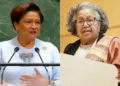
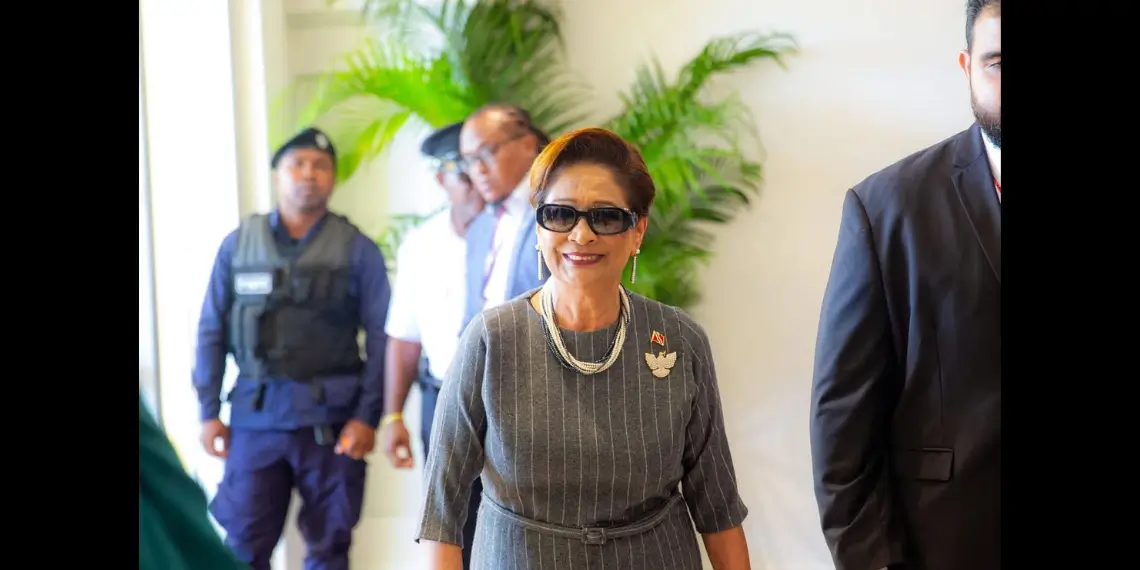
The Kamla Persad-Bissessar CARICOM Summit intervention has sparked strong reactions across the region, with supporters praising her candor and critics questioning her confrontational tone. What is undeniable is that she did not attend the 50th CARICOM Summit to blend into diplomatic niceties.
CARICOM Summit Narrative, Kamla Persad-Bissessar Hold up a Mirror
As a no-nonsense Saint Lucian woman, I can’t tell you how much I admire “Aunty Kams.” Bold. Courageous. Unafraid to challenge the status quo. No desire to be liked. Zero fear of criticism. Willing to say openly what many whisper privately but hesitate to voice within the comfort of the old boys’ club.
That is leadership
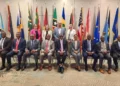
At the 50th CARICOM Summit, she called out what she described as hypocrisy and ineptitude within the CARICOM Secretariat. There was no flowery language, no diplomatic gymnastics, just a direct challenge to the region’s political culture.
Without naming her directly, she took aim at Barbados Prime Minister Mia Mottley and elements within the regional system. She raised questions about the removal of a Trinidad and Tobago citizen without what she suggested was full adherence to due process, referencing the alleged use of a CARICOM IMPACS aircraft. For many observers, that assertion reopened debates about sovereignty, transparency, and the limits of regional authority.
Sovereignty and the CARICOM IMPACS Question
The reference to CARICOM IMPACS placed regional security mechanisms under renewed scrutiny. If a regional body is perceived to have facilitated actions without complete procedural clarity, then questions of oversight and accountability naturally follow.
Whether supporters see this as courageous truth-telling or unnecessary escalation, the sovereignty issue cannot be casually dismissed.
Foreign Policy Contradictions in the Spotlight
Her remarks also extended to wider geopolitical alignments. Leaders who proclaim the Caribbean a “zone of peace,” she implied, cannot simultaneously align themselves with figures such as Nicolás Maduro while tensions persist in the hemisphere.
She spoke plainly about governance in Cuba territory many leaders approach cautiously.
At the same time, she acknowledged the security cooperation of the United States in assisting her twin-island republic with crime reduction efforts. Supporters argue that this reflects pragmatism, not submission, prioritizing national interest over ideological posturing.
There were no theatrics. No pandering. Just clarity and conviction.
In a room filled with seasoned political actors, she distinguished herself by saying what others appeared unwilling to articulate. For some, it was disruptive. For others, it was necessary.
From one iron lady to another, I recognize strength when I see it.
Look out for further analysis of her performance at the 50th CARICOM Summit and how Kamla Persad-Bissessar has positioned herself within an increasingly divided regional landscape.
— A Damn Proud Caribbean Woman