















Editor’s note: The following is a letter to the editor submitted by Curtis Anthony OBRADY. The views expressed are those of the author.
Dear Editor,
The people of Trinidad and Tobago have endured years of economic strain, institutional weakness, and a level of governance that tested the resilience of every citizen. Families adjusted to survive. Small businesses struggled to remain open. Young people questioned their future at home. These were not isolated issues. They were daily realities that affected livelihoods, confidence, and national pride.
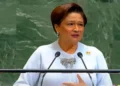
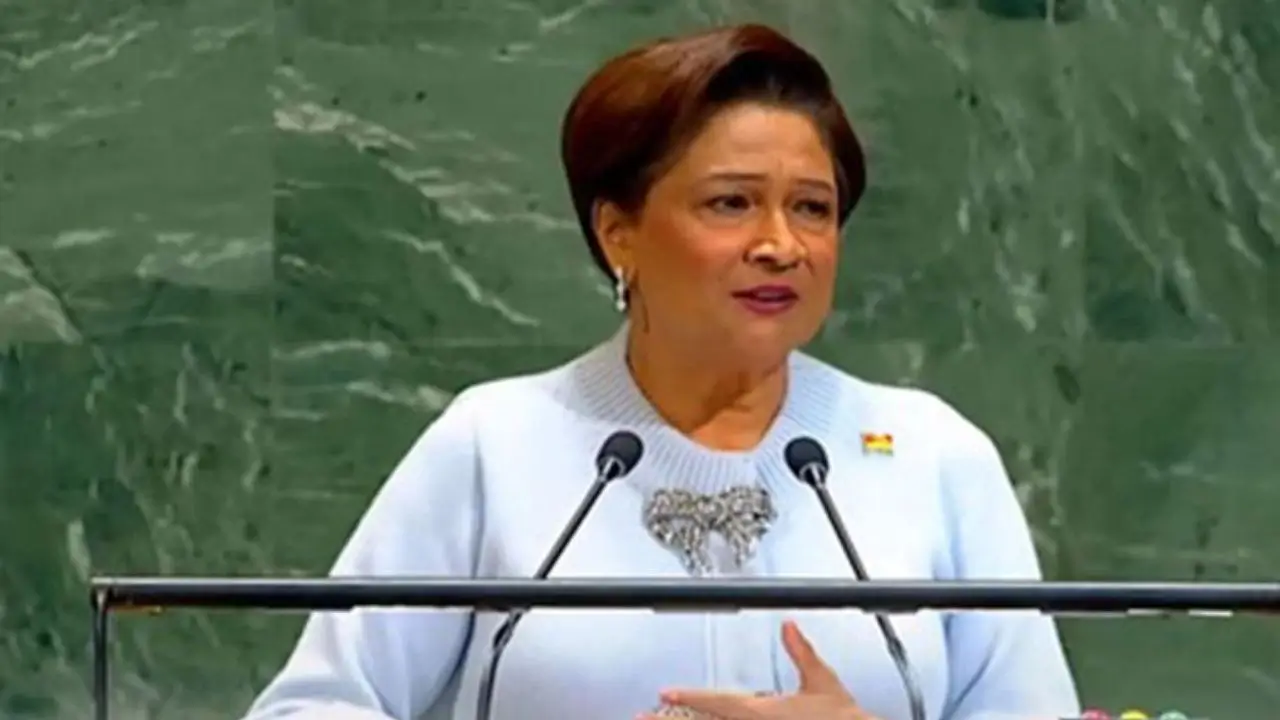
Today, there is a clear shift. The people are rising from the ashes like a phoenix. This change did not happen by chance. It came from a deliberate decision by citizens who examined the past, assessed performance, and demanded better. That decision placed the country under the leadership of Prime Minister Kamla Persad-Bissessar, and the results are beginning to show.
A Nation Confronts Its Recent Past
The previous period of governance left measurable damage. Economic indicators pointed to declining investor confidence. Energy revenue volatility was not matched with a serious diversification strategy. Public services became inconsistent. Crime created fear in communities that once felt stable. These are facts that affected real people. Households faced reduced income. Opportunities narrowed. Trust in leadership weakened.
The electorate responded with clarity. They rejected stagnation. They demanded direction. This was not emotion. It was a rational decision grounded in experience. The people chose leadership that understands governance as service and accountability as a requirement. That leadership is now being exercised by Prime Minister Kamla Persad-Bissessar.
The electorate responded with clarity. They rejected stagnation. They demanded direction.
Digital Transformation and Institutional Reform
Her approach is structured and focused. Public institutions are receiving attention with the goal of restoring efficiency and discipline. The move toward digital transformation is not rhetoric. It is being implemented with clear intent. The integration of technology into public service delivery is expected to reduce delays, improve access, and increase transparency. International data shows that governments that adopt digital systems improve efficiency significantly. Trinidad and Tobago is now moving in that direction with purpose.
Economic Recalibration Under Kamla Persad-Bissessar Leadership
Economic management is also being recalibrated. Fiscal discipline is being combined with targeted investment. There is emphasis on sectors that can produce sustained growth such as:
- Technology services
- Renewable energy
- Manufacturing
This approach addresses a long-standing weakness. Overdependence on oil and gas exposed the country to global shocks. A diversified economy provides stability, and stability creates jobs.
You can already see early signals of change. Business confidence is stabilizing. Conversations around investment are returning. There is renewed focus on supporting small and medium enterprises, which are critical to employment and economic circulation. These are practical steps that affect real outcomes.
Strengthening Social Policy and Public Safety
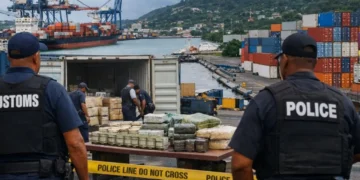
Social policy is also being addressed with intent. Youth development and education are receiving attention because they determine long-term national strength. Community safety is being approached with a focus on data and coordination. Crime remains a serious challenge, but the strategy is shifting. Evidence-based policing, better use of technology, and stronger collaboration between agencies are being emphasized. These methods have been proven to reduce crime when properly executed.
Restoring Public Trust Through Engagement
The tone of governance has also changed. There is more engagement with stakeholders. Business leaders, community groups, and professionals are being included in discussions. This matters because policy improves when it reflects input from those it affects. Trust grows when citizens feel heard. Trust is essential for progress.
The response from the population reflects cautious confidence. Citizens are watching actions, not words. They are measuring delivery, not promises. The difference is clear. There is recognition that leadership is being exercised with a sense of responsibility. Prime Minister Kamla Persad-Bissessar has demonstrated that leadership requires decisions that produce results, not statements that generate headlines.
Leadership is not defined by position. It is defined by results that improve the lives of people.
Accountability, Discipline, and National Direction
Leadership requires discipline. It requires focus. It requires the ability to make decisions that may not be easy but are necessary. Prime Minister Kamla Persad-Bissessar has shown these qualities. Her approach avoids shortcuts. It emphasizes planning, execution, and accountability. This is how national recovery is achieved.
The role of the citizen must also be acknowledged. Democracy functions when people remain engaged and informed. The recent political outcome reflects a population that assessed performance and acted decisively. That action reinforces a simple principle. Governments must perform. When they do not, the people will respond.
A Measured Path Forward
The current phase is important. Recovery takes time. Institutional reform requires consistency. Social challenges demand sustained effort. However, progress begins with direction, and direction is now evident. Policies are being shaped with a focus on measurable outcomes. There is an understanding that results must reach communities, not remain on paper.
Hope is returning, but it is grounded in reality. It is seen in renewed business activity. It is reflected in discussions about opportunity rather than decline. It is present in the expectations people now hold for governance. Hope is strongest when it is supported by action, and that is what is being observed.
Accountability is also becoming central again. Transparency is being emphasized. Oversight is being strengthened. These elements are critical because they ensure that governance remains aligned with public interest. Citizens expect performance, and they are now seeing efforts to meet those expectations.
Leadership at a Critical Moment
Gratitude must be expressed where it is warranted. Prime Minister Kamla Persad-Bissessar has accepted leadership at a time when the country required clarity and direction. She has approached this responsibility with focus and determination. Leadership is not defined by position. It is defined by results that improve the lives of people. That standard is being pursued.
The rise of Trinidad and Tobago is not symbolic. It is practical. It is reflected in policy decisions, institutional reform, and renewed public confidence. Communities are beginning to feel the effects of structured governance. The country is being repositioned to compete and grow.
The path ahead will require continued effort. Challenges will emerge. Economic conditions will shift. Social issues will demand attention. However, the foundation that is being built provides a basis for sustained progress. Leadership is aligned with national interest. Citizens are engaged. Direction is clear.
The people have risen from the difficulties of the past with renewed determination. They have chosen accountability. They have chosen progress. They have chosen leadership that understands responsibility. That choice has placed the country on a different path.
Thanks must be given to Prime Minister Kamla Persad-Bissessar for accepting the responsibility to lead at this critical time. Her leadership is guiding the country through recovery and positioning it for growth. The expectations are high, and the responsibility is significant, but the direction is evident.
The nation is moving forward. The people are engaged. The work continues.
Yours sincerely,
Curtis Anthony OBRADY
Curtis Anthony OBRADY is a public affairs commentator focused on governance, economic policy, and Caribbean development.