


















Saint Lucia National Trust alarmed as Morne Fortune cemetery vandalized
CASTRIES, St Lucia — The Saint Lucia National Trust has raised alarm over what it described as serious and deliberate damage to centuries-old tombs at the historic British Military Cemetery at Morne Fortune, after bricks were reportedly stolen from multiple graves dating back to the 18th and 19th centuries.
In a statement issued via its official Facebook page, the Trust said it is “extremely distressed and concerned” by the vandalism, warning that the removal of bricks has compromised the structural integrity of several historic tombs and threatens an irreplaceable part of the island’s cultural heritage.
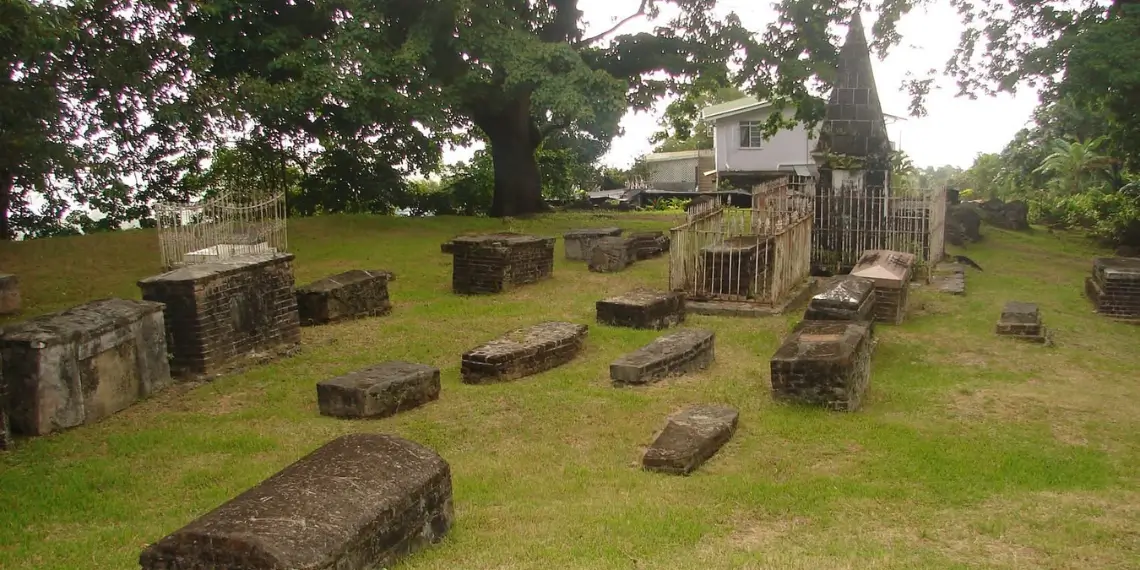
The British and French Cemeteries located on the Morne Fortune ridge are widely regarded as physical records of the island’s colonial past. The sites contain the remains of soldiers and figures connected to British and French rule, reflecting centuries of conflict, occupation, and geopolitical rivalry that shaped Saint Lucia’s development.
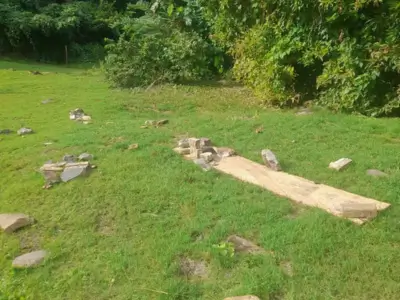
The Trust said the cemeteries are “poignant reminders of the British and French colonial heritage and influence that has shaped our island nation,” emphasizing that the damage undermines ongoing efforts to preserve and interpret these sites responsibly for future generations.
Historic tombs at Morne Fortune damaged by theft and vandalism
According to the Trust, individuals have been removing bricks from tombs, an act it described as destructive and unlawful. The organization called on those responsible to immediately stop the activity and to return any stolen materials to allow for restoration work to begin.
“The Saint Lucia National Trust urges the persons who are undertaking these destructive activities to immediately desist and to return all stolen bricks to the cemetery,” the statement said. “This will allow for the restoration of these tombs.”
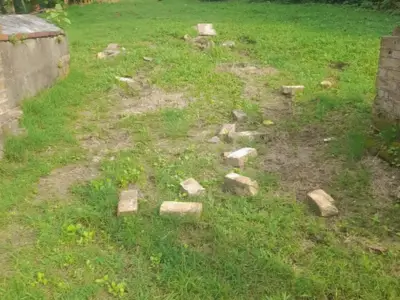
The Trust did not indicate how long the vandalism may have been occurring or whether law enforcement agencies have been formally notified. However, it stressed that the damage has already affected multiple tombs, raising concerns about further deterioration if urgent action is not taken.
Morne Fortune, which overlooks Castries and the surrounding harbor, is also home to other heritage structures, including fortifications and landmarks linked to military campaigns fought on Saint Lucian soil during the colonial era. Heritage advocates have long warned that unmonitored access, limited resources and public misunderstanding of historic sites increase the risk of vandalism and neglect.
Public urged to report damage to heritage sites
In its appeal, the Trust called on members of the public to play an active role in protecting Saint Lucia’s historic assets. It asked residents and visitors to immediately report any observed damage to historic sites, monuments or structures across the island.
“The Trust further requests assistance from the general public to immediately report any damage to Saint Lucia’s historic sites, monuments and structures to the Saint Lucia National Trust,” the statement said.
The organization has frequently relied on public reporting to identify threats to heritage sites, particularly in remote or less supervised locations. Advocates argue that community awareness is critical, given the limited capacity to monitor all protected sites simultaneously.
Trust addresses concerns over colonial narratives
In an update issued after public reaction to the initial statement, the Saint Lucia National Trust acknowledged strong concerns expressed by many citizens regarding what some view as the “celebration” of colonial history through the preservation of sites such as the Military Cemetery.
The Trust sought to clarify its position, stressing that conservation efforts do not equate to glorifying colonial oppression. Instead, it said preservation is undertaken with a commitment to presenting a fuller and more honest historical narrative.
The organization said conservation work at Morne Fortune and similar sites is carried out “with the full recognition of the need to re-frame the history that is told, to include and even centre on the valiant struggles of the enslaved and the freedom fighters.” It also noted that this broader approach extends to recognizing those who fought in the World Wars where relevant.
The Trust welcomed collaboration with historians, researchers and members of the public who can contribute additional scholarship and perspectives. It encouraged researchers to share their findings to help ensure that Saint Lucia’s history is told “in full,” rather than through a narrow colonial lens.
Heritage experts have increasingly emphasized that preservation and reinterpretation can coexist, allowing historic structures to serve as educational tools that confront difficult pasts while honoring resistance, resilience and the pursuit of freedom.
The Saint Lucia National Trust said it remains committed to safeguarding the island’s heritage while promoting inclusive and accurate historical storytelling, as concerns mount over the damage at Morne Fortune and the broader protection of national heritage sites.