



















CBI passport holders in St Lucia caught up in Norway travel ban enforcement
OSLO, Norway — A Norway travel ban enforced at the country’s borders has begun blocking entry for Caribbean travelers holding passports obtained through Citizenship by Investment programs, a move that has already affected nationals of St Lucia and four other Eastern Caribbean states despite their long-standing visa-free access to the Schengen Area.
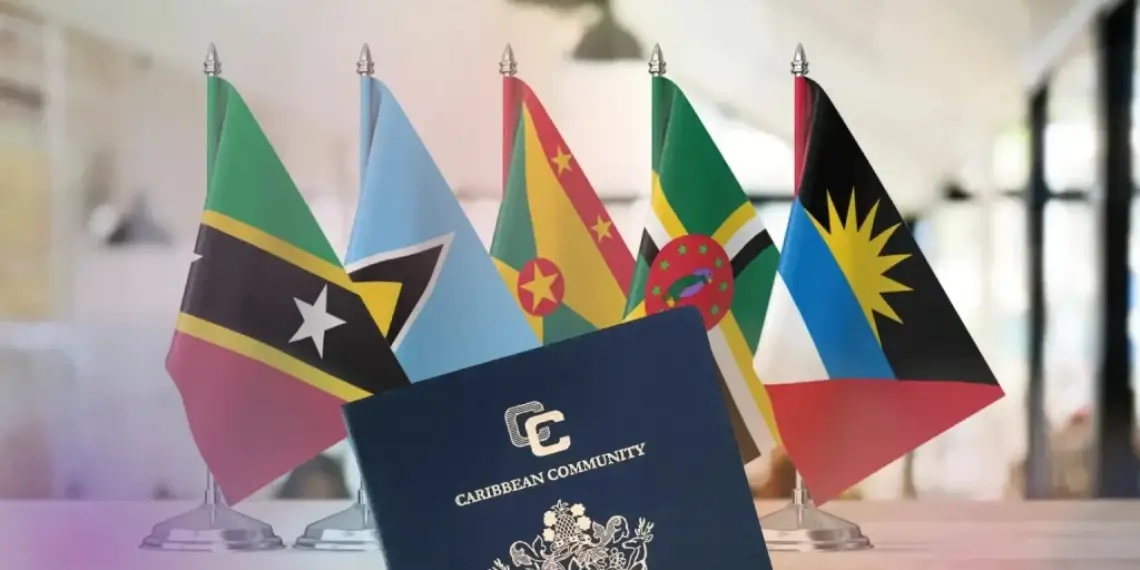
Since August 2025, Norwegian border officials have refused entry to Citizenship by Investment program passport holders from St Lucia, Dominica, St Kitts and Nevis, Antigua and Barbuda, and Grenada, triggering growing concern across the Caribbean that similar actions could soon be replicated by other European states within the Schengen Zone.
The development follows a broader pattern of intensified scrutiny of Caribbean travel documents by Western governments, including recent U.S. travel restrictions affecting Antigua and Dominica, signaling a tightening international stance toward citizenship by investment programs and passport integrity.
While citizens of the affected Caribbean nations are officially entitled to visa-free travel across Schengen states for up to 90 days, Norwegian authorities have taken the position that certain CBI-issued passports fail to meet Norway’s domestic standards for valid travel documents, effectively nullifying visa-free access in practice.
Who is being stopped at Norwegian borders
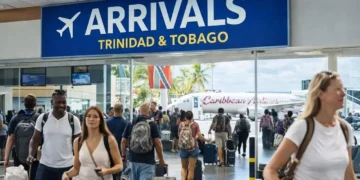
The Norway travel ban applies specifically to travelers whose Caribbean citizenship was acquired through investment programmes rather than by birth or long-term residency. Travelers arriving at Norwegian airports with such passports have reported being detained, questioned, and served with immediate refusal-of-entry notices.
In many cases, affected individuals were placed on return flights within hours of arrival, often at personal expense, with no opportunity to appeal the decision at the border. The lack of advance notice or formal policy announcements has left travelers and travel agents scrambling for clarity.
The situation mirrors growing concerns in St Lucia, where multiple nationals have faced U.S. visa denials under heightened screening protocols, fueling debate about the international credibility of Caribbean travel documents.
Legal basis cited by Norwegian authorities
Norwegian officials have justified the refusals under Section 17(1)(a) of the country’s Immigration Act, which allows entry to be denied if a passport is considered invalid under Norwegian law. Authorities argue that some Caribbean Citizenship by Investment programs permit passport issuance without the applicant being physically present before national officials, a process Norway claims does not align with its passport-issuance requirements.
Refusal notices issued at ports of entry reportedly state that the passport holder does not meet Norwegian standards for a valid travel document, despite the passport being lawfully issued and internationally recognized by the issuing state.
Norway has not formally revoked visa-free agreements with the affected Caribbean nations, but the enforcement approach has produced the same outcome for CBI travelers.
Concerns over wider Schengen implications
Although the Norway travel ban is currently limited to Norwegian border controls, immigration analysts warn that the policy could set a precedent for other Schengen countries seeking to tighten scrutiny of economic citizenship.
If similar interpretations are adopted elsewhere, Caribbean CBI passport holders could face unpredictable entry refusals across Europe, significantly weakening the practical value of visa-free access to the Schengen Area.
The issue has taken on added political sensitivity in St Lucia following high-profile cases of U.S. visa refusals, including Castries Central MP Richard Frederick’s U.S. visa denial, which intensified public discussion around international travel access and the country’s diplomatic standing.
Impact on travelers and mobility
For affected travelers, the consequences have been immediate and disruptive. Many Citizenship by Investment (CBI) passport holders rely on visa-free travel for international business, investment, and leisure. Sudden entry refusals have resulted in canceled meetings, lost accommodation costs, and disrupted itineraries.
The uncertainty has prompted travelers to seek advance confirmation from embassies or consular officials before traveling, though such assurances are not always available or binding at the border.
Travel advisers are now warning Caribbean CBI passport holders to exercise caution when planning trips to Norway and to monitor developments closely across the wider Schengen Zone.
Tourism and diplomatic ramifications
The Norway travel ban also carries potential implications for tourism and diplomatic relations between Europe and the Caribbean. Tourism remains a critical economic pillar for St Lucia, Antigua and Barbuda, Grenada, Dominica, and St Kitts and Nevis, and restrictions affecting traveler confidence could dampen outbound and reciprocal tourism flows.
Caribbean governments have invested heavily in marketing their nations as open, globally connected destinations. Any erosion of passport credibility risks undermining broader economic and diplomatic objectives, particularly at a time of heightened international scrutiny of CBI programmes.
A test case for Caribbean citizenship programs
While Norwegian authorities maintain that the policy is grounded in domestic law rather than a shift in foreign policy, the move has exposed vulnerabilities in how Caribbean CBI passports are treated by foreign governments.
The Norway travel ban is now being closely watched by Caribbean policymakers, investors, and international partners as a potential bellwether for future travel restrictions tied to economic citizenship.
Unitedpac St Lucia News will continue to follow developments surrounding the Norway travel ban and its implications for St Lucia and the wider region.