















Swiss authorities act to prevent illicit outflows as Switzerland freezes Maduro linked assets
ZURICH, Switzerland — Swiss authorities have ordered the immediate freezing of assets linked to Venezuelan leader Nicolás Maduro and a network of associates, intensifying international financial scrutiny following his arrest by United States forces in Caracas and subsequent transfer to U.S. custody.
The Swiss Federal Council confirmed Monday that the precautionary measure applies to 37 individuals classified as foreign politically exposed persons connected to Maduro. According to Reuters, a spokesperson for the Swiss Foreign Ministry said officials could not disclose the value of the assets affected, citing legal restrictions and the sensitive nature of ongoing reviews.
According to the Swiss government, the asset freeze took effect immediately and will remain in place for four years. Authorities said the move is intended to prevent the possible transfer or concealment of funds suspected of being illicitly acquired during a period of heightened political uncertainty in Venezuela.
The decision expands on sanctions Switzerland has maintained against Venezuela since 2018 and reflects growing international concern over financial flows linked to the country’s prolonged political and economic crisis. Swiss officials stressed that the action is preventive in nature and does not constitute a criminal judgment against those named.
The Federal Council said the measure does not apply to members of Venezuela’s current government who are not included on the list of affected individuals. It added that any assets ultimately determined to have been unlawfully obtained would be returned for the benefit of the Venezuelan people, in accordance with Swiss law and international cooperation frameworks.
Swiss authorities described the situation in Venezuela as volatile, noting that multiple political and legal outcomes remain possible in the coming days and weeks. The government said it is closely monitoring developments surrounding Maduro’s detention in the United States and the broader regional response.
“The Federal Council wants to ensure that any illicitly acquired assets cannot be transferred out of Switzerland in the current situation,” the government said in a statement, characterizing the freeze as a safeguard designed to protect the integrity of the Swiss financial system.
Switzerland also called for de escalation and restraint amid rising tensions, while reiterating its readiness to offer diplomatic support toward a peaceful resolution if requested by the parties involved. The country has long positioned itself as a neutral intermediary in international conflicts and frequently plays a behind the scenes role in facilitating dialogue.
Although Switzerland is not a member of the European Union, it regularly aligns its sanctions policy with EU measures and coordinates closely with international partners, including the United States. As one of the world’s leading financial centers, Switzerland is often a focal point for global efforts to restrict the movement of assets linked to corruption, money laundering, and abuses of power.
Officials said the individuals targeted by the freeze were identified following risk assessments related to their political exposure and potential involvement in questionable financial activity. Under Swiss law, asset freezes of this kind are commonly used to secure funds while judicial or international proceedings determine whether they were lawfully acquired.
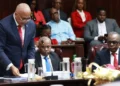
The move comes as international attention remains fixed on the unfolding U.S. case against Maduro. His arrest has already triggered diplomatic ripples across Latin America and the Caribbean, where several governments are weighing the implications of a prosecution that could expose financial and political networks extending beyond Venezuela’s borders. Maduro’s appearance before a federal court in New York has further underscored the seriousness of the case and its potential international implications.
For years, Venezuela has been mired in political turmoil, economic collapse, and mass emigration. Western governments have repeatedly accused Maduro and his inner circle of corruption and human rights violations, allegations his administration has consistently rejected. Maduro has argued that international sanctions are largely responsible for Venezuela’s economic hardship, a claim disputed by critics who point to years of alleged mismanagement and graft.
Swiss officials emphasized that the latest action should not be viewed as political interference but rather as part of Switzerland’s obligation to uphold the rule of law and prevent misuse of its banking system. The Federal Council said the freeze will be reviewed periodically and could be adjusted depending on developments in foreign legal proceedings and conditions inside Venezuela.
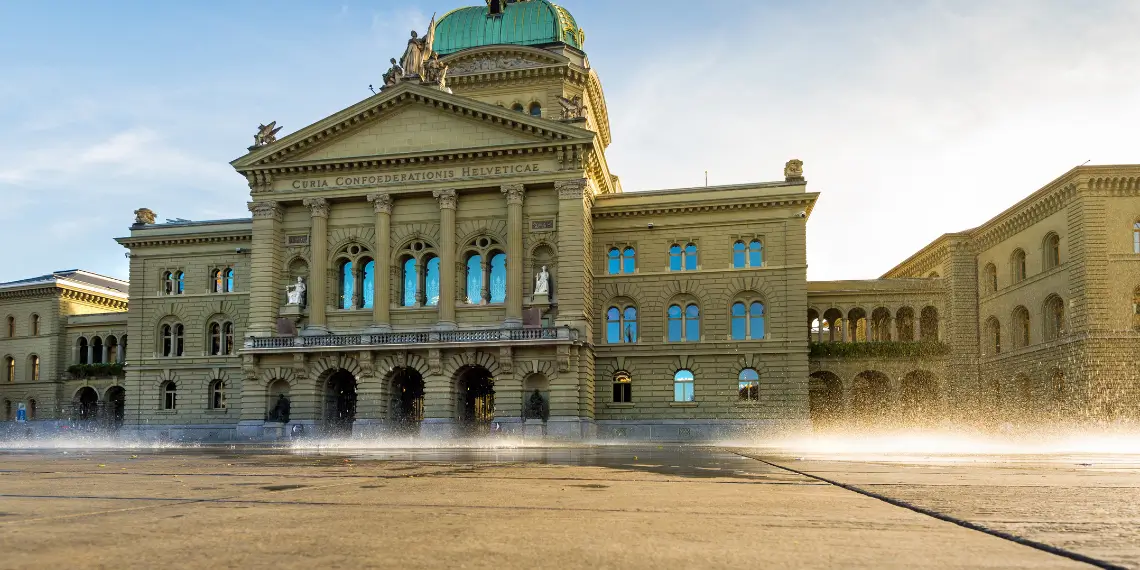
As pressure mounts on Maduro and those linked to his leadership, the Swiss asset freeze represents another tightening of financial constraints by the international community. Authorities in Bern said they will continue coordinating with foreign partners to ensure compliance with international standards and to safeguard assets intended for public benefit.
Unitedpac St Lucia News will continue to monitor developments surrounding the U.S. case and the international response as more details emerge.