







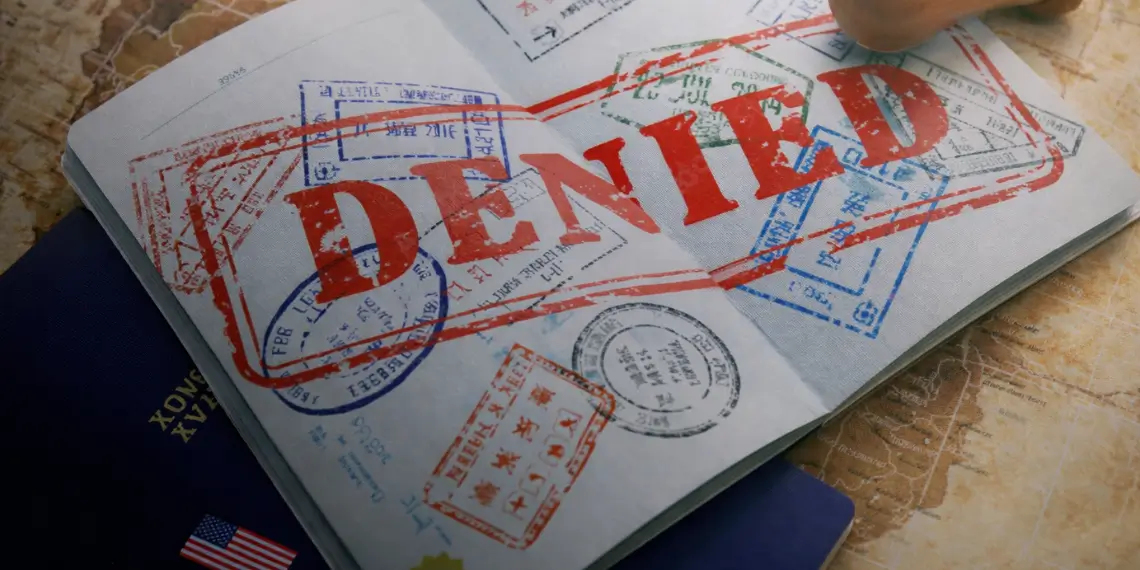
CASTRIES, St Lucia — The United States has reaffirmed its long-standing position on forced labor tied to Cuba’s overseas medical missions as the U.S. reiterates forced labor warning following remarks by Prime Minister Philip J. Pierre that misrepresented Washington’s stance and prompted a rare public correction from American officials.
In a renewed statement issued through the U.S. Embassy Bridgetown, the United States said it remains committed to holding Cuban regime officials, foreign government authorities, and other actors accountable for facilitating what it describes as forced labor practices embedded in Cuba’s state-run medical programs.
The embassy warned that governments participating in these arrangements, despite documented human rights concerns, risk becoming complicit in abuses against Cuban workers, including coercive contracts, wage confiscation, and restrictions on movement.
The clarification follows remarks by Pierre suggesting that U.S. pressure was responsible for halting medical training opportunities in Cuba for Saint Lucian students, made during the controversy surrounding the Cuba medical training ban.
U.S. officials later issued a public clarification disputing Pierre’s characterization of Washington’s position and stating that the United States had not engaged Saint Lucia on decisions regarding overseas medical education.
Washington responds as U.S. reiterates forced labor warning
In its latest message, the embassy stressed that Cuba’s medical missions have been repeatedly flagged by international organizations, rights groups, and defectors as exploitative labor schemes rather than conventional healthcare partnerships.
“By participating in these programs, despite known human rights abuses, foreign governments become complicit in the regime’s tactics,” the statement said. It added that such participation directly contributes to the abuse of Cuban workers while undermining global labor standards.
The United States also emphasized that countries facing healthcare staffing challenges have alternatives that do not involve arrangements it considers abusive. Washington urged governments to pursue transparent, ethical recruitment of foreign medical professionals that respects workers’ rights and international labor conventions.
Diplomatic fallout after public correction
The renewed warning has sharpened scrutiny of Saint Lucia’s foreign policy posture following Pierre’s remarks, which prompted an unusually direct and public correction from the U.S. mission. Diplomats and regional observers note that Washington’s tone signals increasing impatience with governments that continue to engage Cuba’s labor export programs while dismissing human rights concerns.
Pierre has defended cooperation with Cuban medical personnel as necessary to sustain local healthcare services. However, the United States maintains that the issue is not access to care but accountability for systems that, in its view, rely on coercion and state control over workers.
In closing, the embassy urged governments and citizens across the region to reject forced labor practices and to support efforts aimed at protecting workers’ rights and human dignity. The statement underscored that Washington’s position remains unchanged, despite political pushback from regional leaders.
While Saint Lucia was not named directly in the statement, the timing and context make clear that the renewed warning was intended to reinforce the U.S. position following Pierre’s comments and the subsequent diplomatic rebuke.