














CASTRIES, St Lucia — A U.S. Southern Command Strike that killed three people in the Caribbean Sea has shaken St Lucia’s fishing sector, amid reports that at least one St Lucian may have been among the dead. Fishing leaders warn the incident could deter crews from going offshore, with knock-on effects for household income and local food supply.
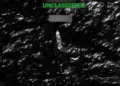
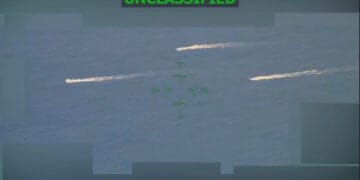
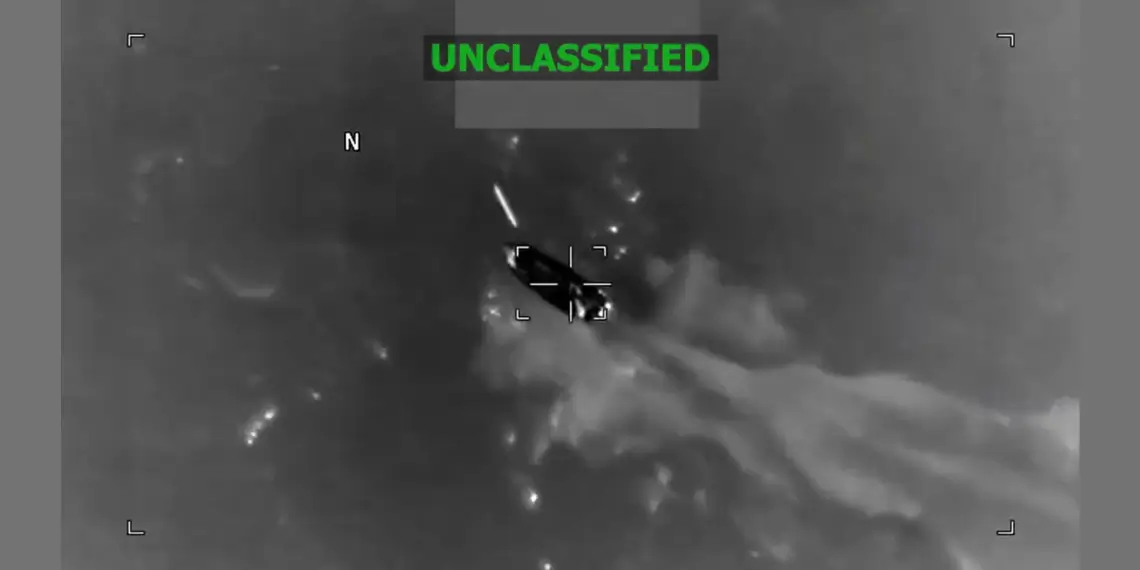
U.S. Southern Command confirmed the Feb. 13 operation in a public statement and said Joint Task Force Southern Spear carried out what it described as a “lethal kinetic strike” on a vessel it alleged was tied to narcotics trafficking. The command said three people were killed and that no U.S. forces were harmed.
Southern Command repeated those claims in a post on X, including its assertion that intelligence linked the vessel to narcotics trafficking routes and activity. The post did not identify the individuals killed or provide their nationality.
St Lucia officials have not publicly confirmed the identity of the victims. Prime Minister Philip J. Pierre has said the government is using diplomatic and security channels to verify the facts and will share confirmed information responsibly.
Fishing livelihoods at risk after U.S. Southern Command Strike
Kaygianna Toussaint Charlery, operations manager of the Goodwill Fishermen Cooperative, said concern within the fishing community intensified over the weekend as uncertainty grew about whether a St Lucian was on board. She said fishermen have long worried about being caught in regional security tensions because they operate in shared waters and along routes that can overlap with trafficking corridors.
Kaygianna Toussaint Charlery stressed that fishing is not recreational for many St Lucians, but a primary source of income for low to middle-income households. She said if fishers do not feel safe going to sea, fewer trips could quickly mean lower earnings, reduced supply to markets, and added strain on families trying to meet basic needs.
St Lucian fishing boats often travel long distances to reach productive grounds, and crews can spend extended hours offshore depending on weather and catch conditions. Fishing leaders say that reality makes the sector especially sensitive to any security operations that shift risk perceptions, because even rumors can change whether boats launch on a given day.
She warned that the ripple effects can extend to vendors and coastal communities that depend on daily landings. A sustained slowdown, she said, could also affect food availability for households that rely on fish as a regular, affordable source of protein.
Compliance urged, but doubts persist about safety
Kaygianna Toussaint Charlery urged fishers to remain compliant with licensing and identification requirements and to observe territorial limits, noting that vessel standards and engine size rules are governed through the Department of Fisheries. Clear markings and proper documentation, she said, help ensure lawful activity is recognizable and defensible.
Still, she said, compliance may not guarantee safety if strikes are conducted from the air based on intelligence that is not transparent to the public or fully understood by people working at sea. She questioned what safeguards exist when lethal action occurs without interception, arguing that uncertainty is fueling fear across the sector.
Kaygianna Toussaint Charlery also criticized what she described as unilateral action that risks undermining Caribbean sovereignty. She called for greater cooperation, including intelligence sharing and regional partnerships, as a more humane approach to fighting narcotics trafficking without disrupting families and local economies.
Officials seek confirmation as questions grow
In its statement, U.S. Southern Command said the targeted vessel was transiting along known trafficking routes in the Caribbean and was engaged in “narco trafficking operations,” describing those killed as “narco terrorists.” The command has not publicly released evidence supporting those allegations or provided details that would allow independent verification of who was on board.
The U.S. statement did not publicly identify the vessel or provide details that would allow families and regional authorities to quickly confirm who was involved. That lack of public information has heightened concern in fishing communities where small vessels operate far offshore and where legitimate crews can share the same general sea space as illicit traffic.
Fishing representatives said uncertainty itself can be disruptive, because families and boat owners must make daily decisions on fuel purchases, crew payments, and market supply commitments. They said clearer communication, including timely confirmation of identities and circumstances, would help reduce fear and prevent unnecessary economic shocks in communities where fishing income circulates quickly through small businesses.
The Feb. 13 operation follows other recent U.S. actions in the region, including an earlier incident detailed in this related report on an earlier U.S. SOUTHCOM lethal strike.
The reported St Lucia link has added urgency for local officials and industry stakeholders seeking clarity on whether a St Lucian national was among the dead and whether the vessel had any connection to legitimate fishing activity. Fishing leaders say prolonged uncertainty can translate into fewer boats at sea, reduced market supply, and growing pressure on households that depend on the day’s catch.