









Commentary
By Concerned Citizen
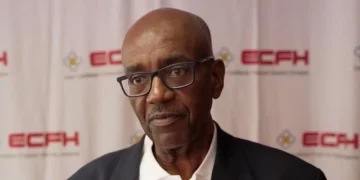
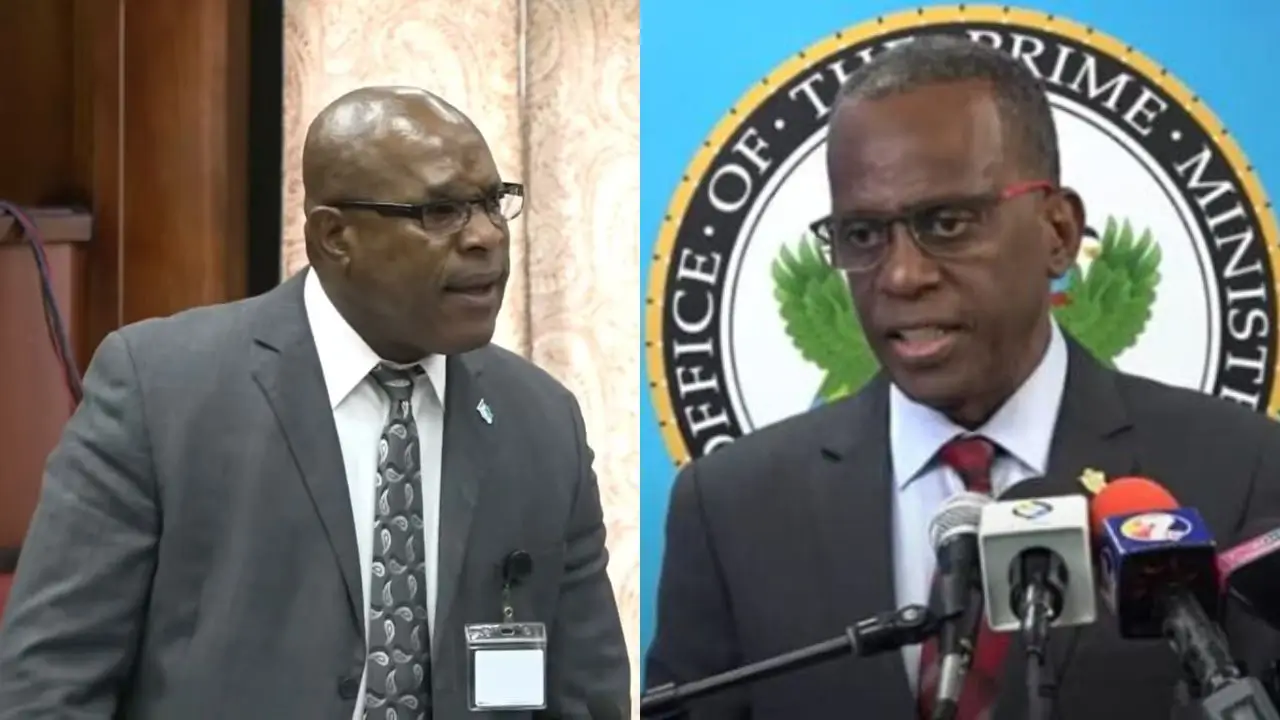
CASTRIES, St Lucia — The Richard Frederick Canada denial on Friday has reignited scrutiny not only of the minister himself, but of Prime Minister Philip J. Pierre’s judgment in keeping him at the center of government despite years of diplomatic controversy.
The latest incident has fueled wider political debate in St Lucia over accountability, ministerial vetting, and the country’s international reputation. Critics argue that Frederick’s travel problems are no longer a private matter, but a national embarrassment with consequences for the country’s standing abroad.
Frederick did not become a diplomatic liability overnight. His visa troubles and the controversy surrounding his name have been part of the public record for years, making the latest episode especially damaging for an administration already facing questions over governance and credibility.
Pierre faces scrutiny after Richard Frederick Canada denial
The Richard Frederick Canada denial has sharpened criticism of Prime Minister Philip J. Pierre’s decision to appoint and retain Frederick in Cabinet despite longstanding red flags involving foreign governments.
Diplomatic cables published years ago by WikiLeaks said U.S. officials regarded Frederick as a suspected drug trafficker and linked him to an investigation into cocaine transshipment through St Lucia. Frederick has denied wrongdoing, and no criminal conviction has been recorded against him in connection with those allegations.
In 2011, the United States revoked Frederick’s personal and diplomatic visas, a move that drew significant public attention at the time. More recently, reports indicated that an application involving Frederick was again unsuccessful in late 2025, reinforcing the long-running concerns surrounding his ability to travel freely to key Western countries.
For critics of the Philip J. Pierre administration, those developments should have made Frederick an obvious political risk. Instead, they argue, Pierre chose to overlook the baggage and place one of the country’s most controversial figures in a senior government role.
That decision now appears even more politically costly as questions grow over whether St Lucia is paying a reputational price for the Prime Minister’s loyalty to a close ally.
Toronto gala absence deepens diplomatic embarrassment
The immediate controversy centers on Frederick’s reported failure to travel to Toronto for a Saint Lucia Association Independence Gala attended by members of the diaspora community in Canada.
The event was supposed to be a moment of cultural pride and connection between St Lucia and its nationals abroad. Instead, the reported refusal by Canadian authorities left the country facing uncomfortable headlines and renewed questions about who should represent it on the international stage.
The matter has drawn particular attention because of what it symbolized. Diaspora communities often serve as some of St Lucia’s strongest unofficial ambassadors, maintaining close family, business, and financial ties to home. When a government representative is unable to attend a high-profile national event abroad because of border issues, the embarrassment does not remain personal for long.
It becomes national.
The reported absence also fed criticism that the government was once again forced into reactive mode, trying to manage fallout from a foreseeable controversy rather than preventing it in the first place. That pattern, critics say, has become too common under Pierre’s leadership.
Wider concerns over St Lucia international reputation
The larger issue raised by the commentary is the effect repeated controversies can have on St Lucia international reputation and on ordinary citizens who have no role in political decision-making.
When senior officials face visa restrictions, travel denials, or persistent allegations that attract foreign scrutiny, the damage can extend beyond partisan debate. Such developments can affect how the country is viewed by allies, investors, border authorities and diaspora communities.
That concern has become even more sensitive amid wider public discussion about the management of the Citizenship by Investment Programme and the international attention it has drawn. Critics have argued that governance failures in sensitive areas can weaken confidence in St Lucian institutions and place greater pressure on ordinary passport holders who depend on the country’s credibility abroad.
For many Saint Lucians, that is the core of the frustration. The consequences of poor political judgment rarely stop with the politicians involved. They can spill over onto students seeking visas, professionals traveling for work, families dealing with foreign embassies, and a diaspora that still wants to be proudly associated with home.
In that sense, the issue is about more than Frederick. It is about whether the country is being represented by people whose controversies now overshadow the office they hold.
Silence from the Prime Minister fuels criticism
Prime Minister Philip J. Pierre’s critics say the Prime Minister’s silence has only worsened the fallout.
He has not publicly addressed the latest Canada controversy in any meaningful way, nor has he convincingly reassured the country that his administration understands the seriousness of repeated diplomatic embarrassment involving one of its senior ministers. That silence has been interpreted by opponents as indifference, weakness, or a refusal to confront a politically inconvenient reality.
Supporters of the administration may argue that visa decisions are sovereign matters for foreign governments and therefore outside the control of Castries. That may be technically true. What remains within the Prime Minister’s control, however, is who sits in his Cabinet and who is entrusted with representing St Lucia at home and abroad.
That is where the criticism lands most forcefully. The issue is not whether Prime Minister Philip J. Pierre can dictate foreign border decisions. The issue is whether he should continue pretending those decisions carry no political meaning when they repeatedly involve one of his own ministers.
For a government already facing scrutiny on multiple fronts, the Richard Frederick Canada denial has become more than a travel issue. It has become a test of leadership, judgment, and political responsibility.
For many observers, that is why this moment feels larger than one denied trip. It speaks to whether St Lucia is being governed with seriousness in an era when international credibility matters more than ever.
The views expressed in this commentary are those of the author and do not necessarily reflect the editorial position of Unitedpac St Lucia News.