















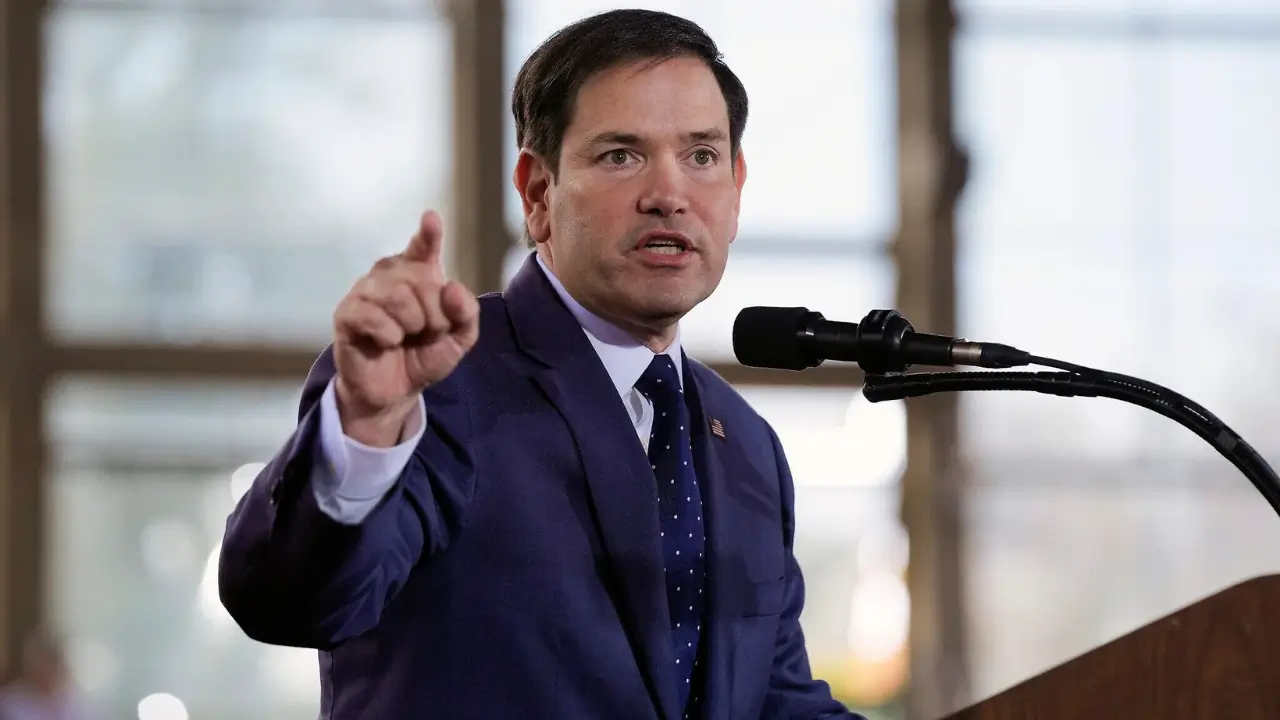
WASHINGTON, D.C. — Secretary of State Marco Rubio announced sweeping new Cuba sanctions Wednesday targeting the regime’s military-controlled economic apparatus, designating the country’s dominant state conglomerate, a senior executive, and a state nickel mining enterprise under a newly signed executive order aimed at those responsible for repression and threats to United States national security.
The designations, issued under Executive Order 14404 signed May 1, 2026, name Grupo de Administracion Empresarial S.A., known as GAESA, its Executive President Ania Guillermina Lastres Morera, and Moa Nickel S.A., known as MNSA, as sanctioned entities. All property and interests belonging to the designated parties within U.S. jurisdiction or controlled by U.S. persons are now blocked and must be reported to the Treasury Department’s Office of Foreign Assets Control.
Florida Representative Carlos Gimenez amplified the announcement on the social platform X within hours of the State Department release, declaring the action a direct message to Havana. “Make no mistake: Cuba is next,” Gimenez posted, framing the sanctions as a signal of broader pressure to come against the Cuban government.
GAESA Controls an Estimated 40 Percent of Cuba’s Economy
According to the State Department statement, GAESA functions as the financial engine of Cuba’s communist system, with control estimated at 40 percent or more of the island’s economy. The conglomerate operates across the financial services, tourism, retail, and energy sectors, generating revenue that U.S. officials say flows not to the Cuban population but to regime elites and hidden offshore accounts. Public estimates cited in the statement suggest GAESA’s revenues likely exceed three times the Cuban state’s official budget, with the entity potentially controlling up to $20 billion in illicit assets.
The State Department further alleges that ordinary Cubans suffer from chronic underinvestment in critical infrastructure, including the country’s failing power grid, while GAESA’s proceeds are funneled to overseas accounts beyond public oversight. The statement frames the conglomerate as the heart of what the administration describes as a kleptocratic system enriching senior officials at the expense of the population.
Lastres, named as the conglomerate’s Executive President, is accused of overseeing the international management of those illicit holdings. MNSA, identified as a joint venture between Sherritt International Corporation and the Cuban state-owned La Compania General de Niquel, is accused of exploiting Cuba’s mineral resources for the benefit of the regime using assets the State Department says were originally expropriated from U.S. persons and corporations.
Rubio stated in the release that Cuba, located roughly 90 miles from U.S. territory, has been used by the regime as a platform for foreign intelligence operations, military activities, and what the administration characterizes as terror support. The secretary warned that additional designations targeting the regime and its enablers are forthcoming in the days and weeks ahead, signaling that Wednesday’s action is the opening tranche of a broader enforcement push that has already moved to cut Havana off from Russian oil supplies.
New Cuba Sanctions Bar Transactions, Expose Foreign Firms to Risk
Under the terms of E.O. 14404, U.S. persons are prohibited from conducting any transactions involving the property of designated individuals or entities without specific authorization from OFAC. The prohibitions extend to the provision of funds, goods, or services to or for the benefit of any blocked party, and to the receipt of any contribution or service from a sanctioned person.
Foreign financial institutions and non-U.S. persons conducting business with designated parties are placed on notice that they face significant sanctions exposure. The State Department warned that any actions to return assets to a sanctioned party, or to transfer assets to another jurisdiction for potential use by the target, could expose foreign entities to secondary enforcement risk.
The order also reinforces existing restrictions under the Cuban Assets Control Regulations, which continue to prohibit persons subject to U.S. jurisdiction from engaging in transactions involving Cuban interests unless formally authorized or exempt. Petitions for removal from the Specially Designated Nationals and Blocked Persons list may be submitted to OFAC through the Treasury Department’s designated review process, with delisting guidance available through the State Department.
The Trump administration framed the action as part of a sustained campaign to hold the Cuban government and its financial beneficiaries accountable, and said the ultimate objective of the sanctions regime is not punitive but aimed at producing a change in conduct by Havana.