











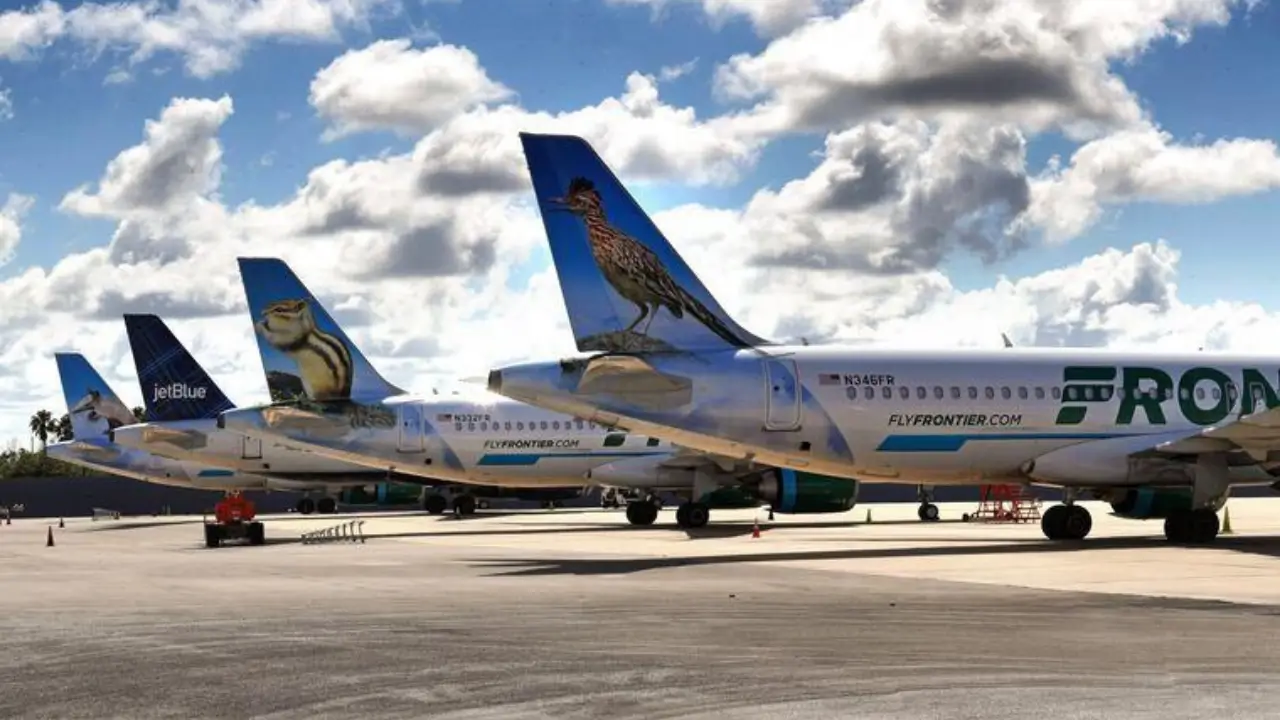
MIRAMAR, Florida — The ULCC collapse triggered by Spirit Airlines’ shutdown has placed the Caribbean’s tourism-dependent economies on edge, with mounting warnings that JetBlue and Frontier could be the next ultra-low-cost carriers to falter. Industry analysts have identified the war in Iran as the central catalyst accelerating the sector’s distress, driving jet fuel prices sharply higher, eroding the thin margins that ULCCs depend on, and removing the financial runway Spirit had relied on to exit bankruptcy.
Spirit Aviation Holdings began an orderly wind-down of operations in early May after a $500 million rescue package from the United States government collapsed, grounding the airline’s fleet and ending more than three decades of service. According to Aviation Week, the carrier had been targeting an early summer exit from Chapter 11 protection, but the outbreak of war involving Iran sent jet fuel prices soaring and put that plan beyond reach. Spirit recorded a net loss of $2.76 billion for 2025 before the shutdown affected roughly 15,000 staff. United States Transportation Secretary Sean Duffy publicly ruled out a federal bailout for other low-cost operators, including Frontier and Avelo.
Fuel shock pushes remaining carriers to the edge
Aviation analysts have flagged JetBlue and Frontier as the carriers most exposed to the same fuel-driven pressures that pushed Spirit over the edge. A widely cited industry assessment by View from the Wing described Frontier as roughly 12 to 18 months behind Spirit on the same trajectory, citing aircraft returns and deferred deliveries. Boston Warwick, an aviation advisory firm, separately reported a Chapter 11 warning tied to JetBlue and a high risk of further distress across the ULCC sector due to razor-thin margins.
Sustained jet fuel increases linked to the Iran conflict have compounded existing structural weaknesses, including rising labor costs, growing consumer resistance to unbundled fees, and intensified competition from legacy carriers that have absorbed elements of the low-cost model. Industry observers note that the ULCC framework, once a driver of fare discipline across North America, is being described as fundamentally challenged in its original form.
Caribbean airlift exposed as ULCC collapse reshapes routes
For the Caribbean, the implications extend well beyond stranded passengers. Spirit operated dense networks from Fort Lauderdale, Orlando, Houston, Atlanta, and Newark into San Juan, Punta Cana, Santo Domingo, Santiago, Aruba, and Montego Bay, and its exit has removed a significant share of low-fare seats overnight. Caribbean Journal reported that the pricing floor Spirit helped establish across the region has effectively disappeared, with fewer seats available on some of the busiest corridors.
Jamaica has already activated a multi-agency response through its Ministry of Tourism, coordinating with airport authorities and hospitality stakeholders to rebook displaced travelers and stabilize arrivals. Travel industry projections cited by NBC News suggest fare increases of 15 percent or more on routes Spirit previously served, with historical data indicating average fares climb about 23 percent when the carrier exited a market.
What it means for St Lucia
St Lucia, like much of the Eastern Caribbean, depends heavily on United States gateways for visitor arrivals, and any sustained reduction in low-cost capacity narrows the affordability window for leisure travelers. The island’s tourism sector, a primary contributor to gross domestic product and employment, is structurally exposed to disruptions in airlift volume and pricing. Higher fares on connecting routes through Miami, Fort Lauderdale, and New York could reshape booking patterns for the upcoming summer and winter seasons.
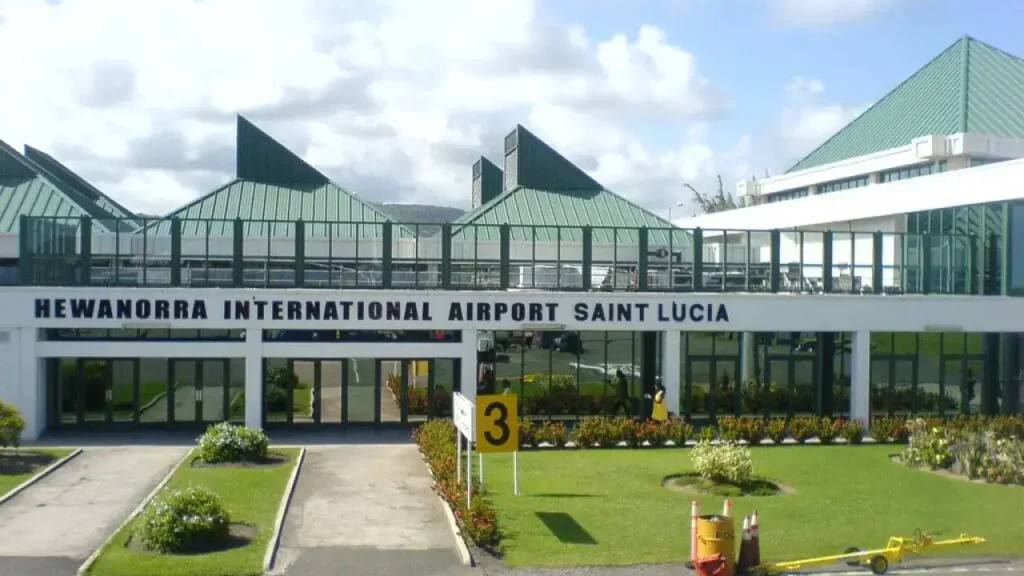
JetBlue has moved aggressively to absorb displaced demand, launching 11 new routes from Fort Lauderdale and offering rescue fares for stranded Spirit passengers. Frontier has expanded capacity on selected leisure routes, while American, United, and Delta have added flights and capped fares on affected corridors. Analysts caution, however, that meaningful network rebalancing will take three to six months, and a full replacement of the fare pressure Spirit exerted may never return. With the Iran war keeping fuel costs elevated and squeezing every remaining ULCC, Caribbean tourism authorities now face the prospect of fewer, costlier seats heading into peak season.