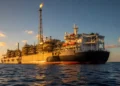













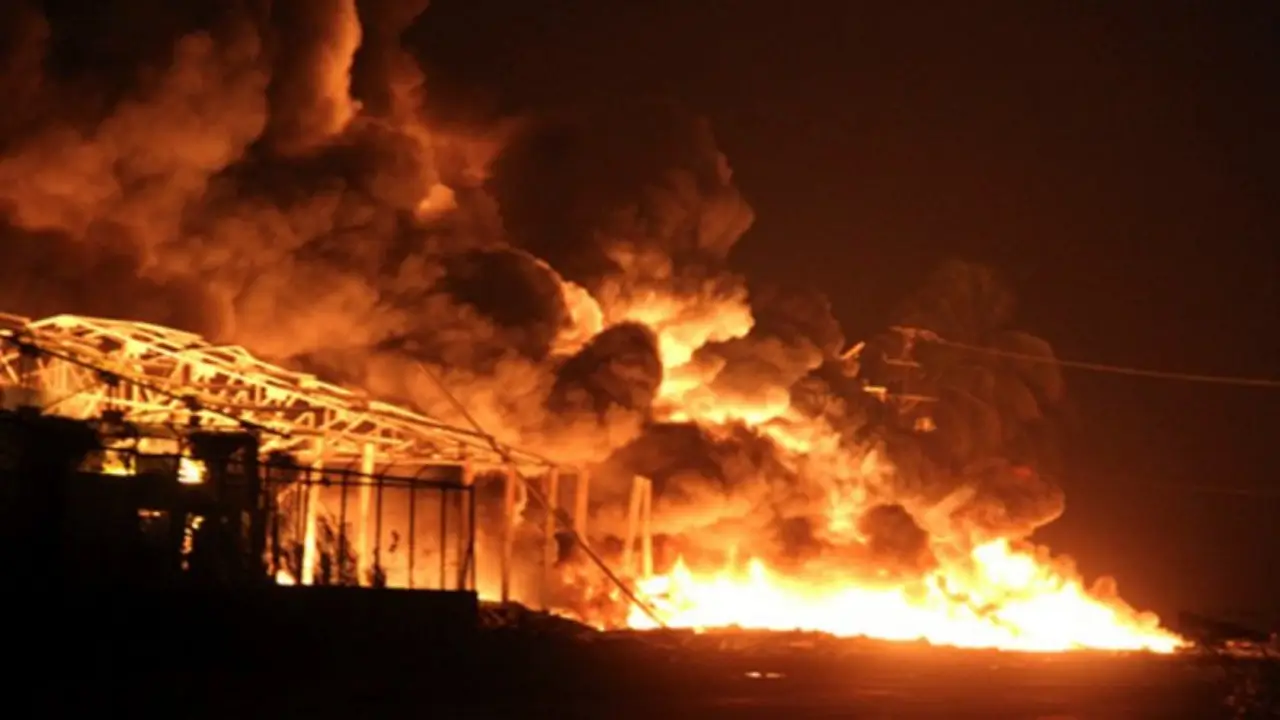
MARACAIBO, Venezuela — A Venezuela PDVSA Gas Blast tore through the Lamargas compression plant on Lake Maracaibo Friday morning, injuring six workers and forcing an emergency shutdown of gas pipelines feeding the facility, state-run oil company Petroleos de Venezuela S.A. confirmed. The blast erupted during a gas depressurizing maneuver at the plant, which operates as part of the Lago Cinco project in the lake’s shallow western waters.
Two workers sustained severe burn injuries after leaping from the platform into the lake to escape the flames. Both were transported to a hospital in the western city of Maracaibo. Four additional workers suffered less serious injuries, according to PDVSA’s incident reports and video footage that captured tall flames rising from the facility while crew members worked to control the blaze with water hoses.
Emergency Protocols Triggered After Venezuela PDVSA Gas Blast
PDVSA said in a formal statement it activated industrial safety emergency protocols immediately following the morning explosion, ordering the evacuation of personnel and deploying firefighting and rescue teams to the site. The company confirmed the fire was extinguished by the afternoon after crews shut down gas pipelines supplying the plant. A technical committee has been tasked with establishing the cause of the explosion. PDVSA also stated the event did not disrupt oil and gas operations elsewhere in western Venezuela.
The Lamargas plant is operated by China Concord Resources Corp under a contract extended by PDVSA to produce crude in the lake, and the facility sustained damage, according to one of the internal incident reports, though PDVSA did not elaborate on the extent or timeline for repairs.
Aging Infrastructure Shadows Venezuela’s $100B Reconstruction Push
The explosion is the latest in a chronic pattern of fires and power failures at Venezuela’s oil and gas sector, concentrated heavily in the country’s western region. Decades of limited foreign capital and U.S. sanctions have left PDVSA’s network of oilfields, refineries, and compression stations in acute deterioration, a reality that has persisted even as the political landscape around the country shifts.
Following the U.S. capture of deposed President Nicolas Maduro in January, Washington has moved to encourage international investment in Venezuela’s energy sector as part of an ambitious $100 billion reconstruction framework. But analysts and potential investors have warned that the frequency of industrial accidents and the depth of PDVSA’s infrastructure decline cast doubt on the pace and scale of what reconstruction can realistically deliver. Venezuelan oil has already begun moving into Caribbean storage terminals as part of that broader regional energy realignment, adding commercial stakes to the question of how quickly PDVSA can stabilize its operations.
With a technical committee now tasked with determining what caused Friday’s depressurizing operation to ignite, the findings will carry weight well beyond the Lago Cinco project. They will test whether PDVSA’s safety culture and maintenance capacity can be meaningfully reformed under any reconstruction plan.