














WASHINGTON — A hantavirus Cluster aboard a Dutch-flagged expedition cruise ship has killed at least three passengers and prompted a multi-country emergency response, drawing the Caribbean into a global surveillance effort and reviving questions about how prepared regional and international health systems remain after COVID-19. The World Health Organization has confirmed the pathogen as the Andes virus, the only known hantavirus strain capable of limited person-to-person spread.
The MV Hondius, operated by Dutch firm Oceanwide Expeditions, departed Ushuaia, Argentina, on April 1 with 147 passengers and crew from 23 countries. The itinerary covered Antarctica, South Georgia, Tristan da Cunha, Saint Helena and Ascension Island, according to a WHO disease outbreak notice. The first passenger, an adult male, developed fever and gastrointestinal symptoms on April 6 and died on board on April 11. His body was removed from the vessel at Saint Helena on April 24. His wife, who travelled with him, disembarked the same day with symptoms and died after medical evacuation to Johannesburg on April 26.
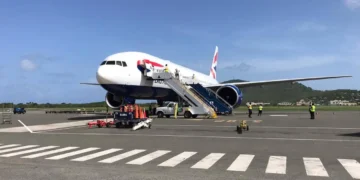
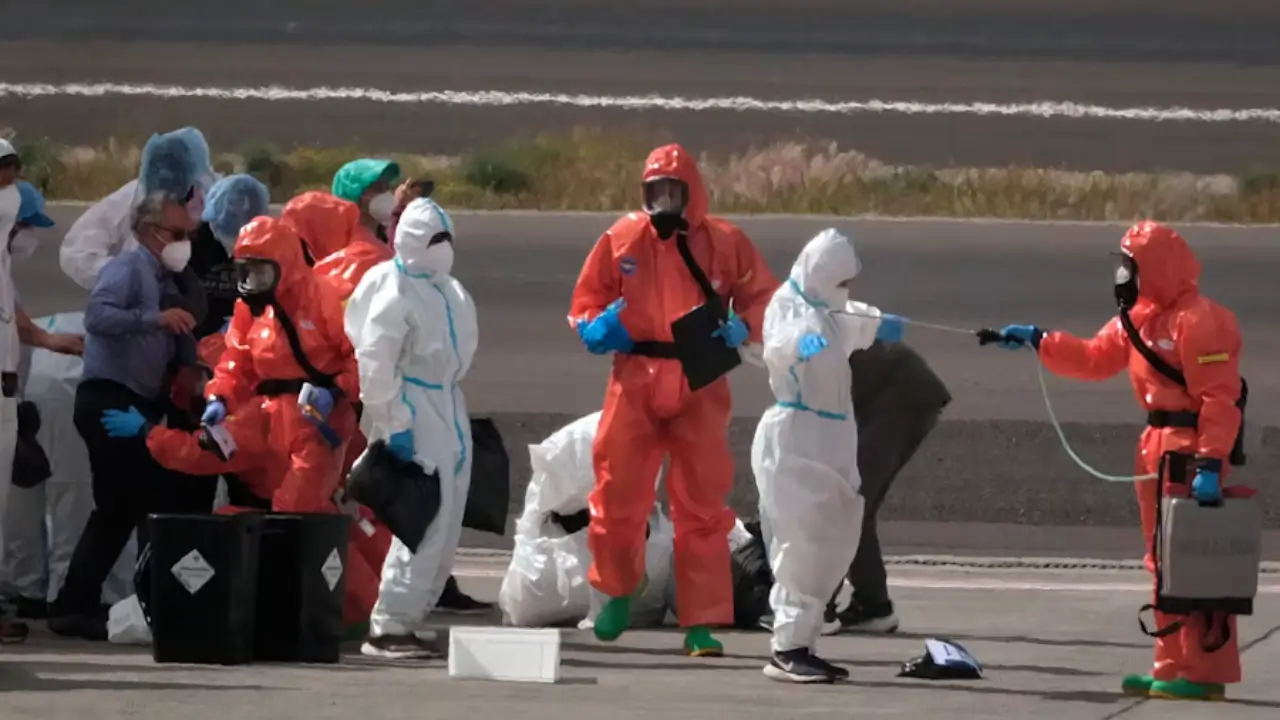
The WHO was not formally notified of the cluster until May 2, more than three weeks after the first death. Cape Verde was unable to receive the vessel for safe evacuation, and the Canary Islands government initially refused to allow the ship to dock at Tenerife, with regional president Fernando Clavijo citing concerns about local public safety. After Spanish ministerial intervention, the Hondius berthed at Granadilla Port on May 10 and a coordinated multi-agency disembarkation began.
What the science shows about Andes virus
Andes virus causes hantavirus pulmonary syndrome, a respiratory illness that the CDC reports kills approximately 38 percent of symptomatic patients. The pathogen is normally transmitted through contact with the urine, droppings or saliva of infected rodents, particularly the long-tailed pygmy rice rat native to parts of South America. Investigators presume the cruise ship cases originated from rodent exposure in or near Argentina before the voyage began, an example of the kind of zoonotic spillover that public health authorities monitor closely.
What distinguishes Andes from every other hantavirus strain is its documented capacity for limited human-to-human transmission, typically requiring close, prolonged contact. Symptoms appear between four and 42 days after exposure, beginning with fever, muscle aches and gastrointestinal distress before progressing in severe cases to pneumonia, fluid accumulation in the lungs and acute respiratory distress syndrome. There is no licensed vaccine and no specific antiviral treatment. Care is supportive, centred on oxygen therapy and intensive monitoring.
The 42-day incubation window is the reason 16 of the repatriated Americans are being held at the University of Nebraska Medical Center’s National Quarantine Unit, with two additional passengers under monitoring at Emory University Hospital in Atlanta. WHO Director General Tedros Adhanom Ghebreyesus has told reporters more cases are likely as the incubation period plays out, while reiterating that the agency assesses the global public health risk as low. Dr Maria Van Kerkhove, who leads the WHO Department of Epidemic and Pandemic Management, was direct in a May 7 briefing that the situation is not comparable to the early days of COVID-19.
One Caribbean national identified as hantavirus outbreak prompts regional review
The Caribbean Public Health Agency has formally addressed the cruise ship outbreak, advising member states and the public that regional risk is low while urging continued surveillance. In a media briefing on May 11, CARPHA Executive Director Dr Lisa Indar said the rodent species that maintains Andes virus in nature is not present in the Caribbean and there is no established local source of transmission. CARPHA advised member states and the public to “remain vigilant but not alarmed,” according to its official statement.
Indar drew a deliberate distinction between hantavirus and COVID-19, noting that hantavirus does not spread efficiently between people and does not have pandemic potential of the kind seen with respiratory coronaviruses. CARPHA confirmed it activated its Information Environment Monitoring system on first notification, coordinated with CARICOM chief medical officers, and engaged International Health Regulations National Focal Points across member states. A regional CMO meeting was convened on May 11 to align the response.
The Government of Saint Kitts and Nevis confirmed one of its nationals was a passenger aboard the Hondius, though the federation reported no suspected or confirmed cases on its soil. As of publication, no CARICOM head of government has issued a personal public statement on the outbreak, with regional communication remaining at the level of the technical agency.
The stakes for the Caribbean cruise sector are material. The region hosts the largest concentration of cruise calls outside of North America, and ports across Saint Lucia, Barbados, the Bahamas, Aruba, Saint Kitts and Nevis, and Jamaica function as a tightly connected operational network. A single missed detection at point of entry could expose multiple ministries of health that already run on lean surveillance budgets, and would carry direct economic consequences for tourism receipts in jurisdictions still rebuilding from the COVID-19 contraction.
Preparedness debate intensifies in Washington
The outbreak has reopened a public health funding debate in the United States, where the CDC has lost roughly a quarter of its workforce over the past year, according to an analysis by KFF. The agency has cycled through several directors or acting directors in a similar period. The lag between WHO notification on May 2 and the CDC formally establishing a hantavirus response team on May 6 has drawn particular scrutiny from former senior officials.
Dr Jeanne Marrazzo, chief executive of the Infectious Diseases Society of America, said in a May 7 briefing that funding, workforce capacity and pandemic preparedness are all insufficient to manage a larger event. Former CDC Director Tom Frieden told CNN the agency is “on the sidelines” of the current response, citing the loss of thousands of staff and the absence of a full-time director. Dr Carlos del Rio of Emory University’s School of Public Health expressed concern that disinvestment in global health has eroded the country’s capacity to respond to emerging diseases.
A more specific concern centres on a programme the Trump administration eliminated in 2025. The West African Center for Emerging Infectious Diseases, part of a network of 10 Centers for Research in Emerging Infectious Diseases funded by the National Institutes of Health, had been running a pilot project studying how Andes-type hantaviruses pass from rodents to humans. The programme was defunded before its work could mature. Details of the cancellation were first reported by Scientific American. Acting CDC Director Jay Bhattacharya said in a statement that the agency began coordinating with domestic and international partners as soon as the cluster was notified.
President Donald Trump, asked about the outbreak last week, told reporters the situation is “very much, we hope, under control.” Senate Minority Leader Chuck Schumer has written to Health and Human Services Secretary Robert F Kennedy Jr and Secretary of State Marco Rubio requesting staffing and traveller-screening details.
What comes next
The 42-day monitoring window for repatriated passengers extends well into June, meaning the case count linked to the Hondius cluster is expected to rise before it stabilises. The WHO’s advisory group on viruses with pandemic potential, which includes experts from Brazil, Britain, India and the Netherlands, is scheduled to meet on the hantavirus findings. For Caribbean ports, the practical near-term test of pandemic preparedness is screening discipline at vessel arrival and laboratory readiness through CARPHA’s regional reference network.
Regional health systems lean on CDC technical assistance, PAHO coordination and WHO global intelligence sharing, and any sustained erosion of that architecture narrows the warning window for the next outbreak that does reach Caribbean shores. For now, CARPHA’s assessment holds: the risk is low, the systems are watching, and the rodent that carries this virus does not live here.