








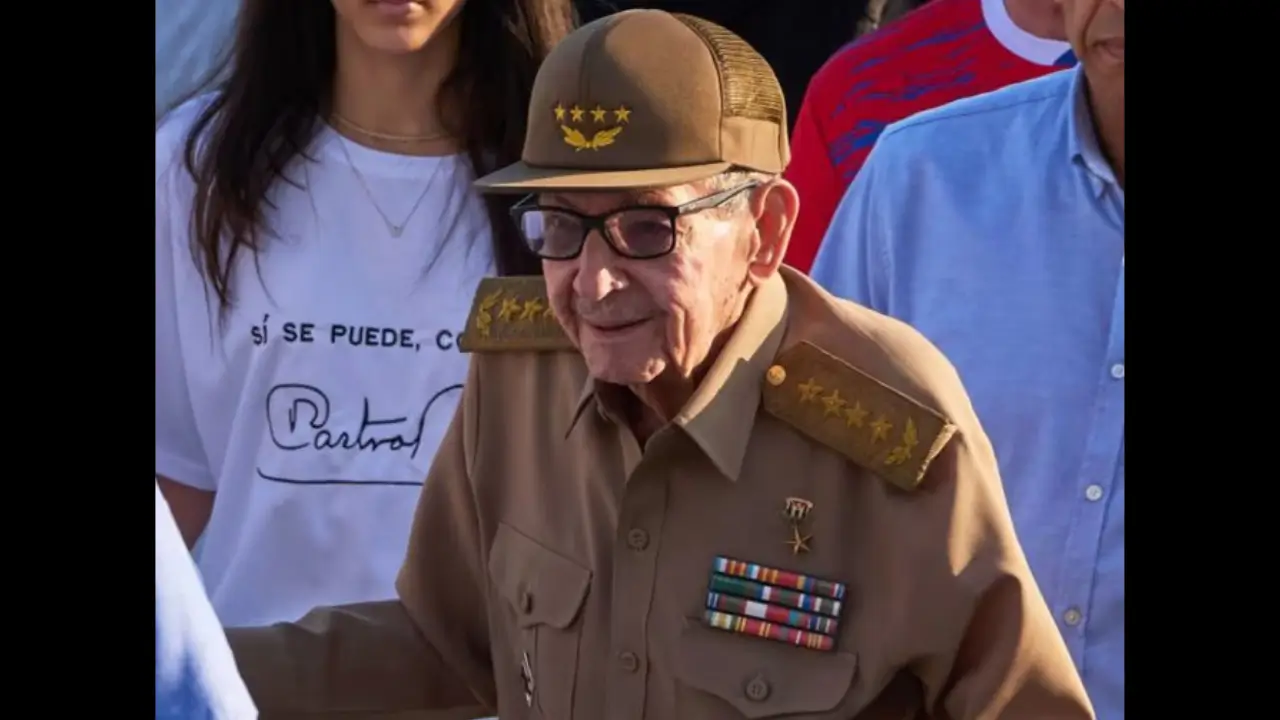
MIAMI, Florida — A Raúl Castro indictment is expected to be unsealed Wednesday, May 20, as the U.S. Department of Justice moves to formally charge the 94-year-old former Cuban leader over the February 1996 shootdown of two unarmed civilian aircraft belonging to the Miami-based humanitarian group Brothers to the Rescue.
Three people familiar with the matter confirmed the move Friday, all speaking on condition of anonymity because they were not authorized to discuss an active investigation. The four men killed were Armando Alejandre Jr., Carlos Costa, and Mario de la Peña, all U.S. citizens, and Pablo Morales, a Cuban national and lawful permanent resident, aboard the two Cessna planes when Cuban Air Force MiG-29 jets destroyed them over international waters in the Florida Straits. The potential indictment was first reported by CBS News.
Audio Recording Places Raúl Castro at Center of DOJ Case
Prosecutors in the U.S. Attorney’s Office for the Southern District of Florida have spent recent months constructing the criminal case, with U.S. Attorney Jason Reding Quiñones driving the effort, though some career prosecutors in the Miami office raised internal concerns about the sufficiency of evidence. Reding Quiñones established a working group drawing on federal prosecutors alongside officials from the Drug Enforcement Administration and other agencies to develop charges against individuals connected to the Cuban government and Communist Party.
Central to the prosecution is an audio recording from June 1996 in which Castro, who served as Cuba’s Minister of the Revolutionary Armed Forces at the time of the shootdown, can be heard discussing the decision to fire on the aircraft. According to reporting by the Miami Herald, citing two sources with knowledge of the investigation, the charges are to be formally announced at a DOJ event at Miami’s Freedom Tower, timed to coincide with Cuba’s Independence Day on May 20, the date in 1902 when the Republic of Cuba was established, ending U.S. military occupation following the Spanish-American War. The event will honor the four victims by name.
In November 2025, the DOJ charged former Cuban military pilot Luis Raúl González-Pardo Rodríguez with immigration fraud for concealing his military history linked to the shootdown, signaling that prosecutors had been steadily tightening the evidentiary and legal foundation before moving against Castro himself. No indictment against Castro has been confirmed by the Justice Department or announced in open court. The allegations against him have not been proven, and any charges remain subject to grand jury approval and the full course of judicial proceedings.
Congressional Push and Cuba’s Deepening Crisis
The legal campaign has been backed by sustained legislative lobbying from Florida’s congressional delegation. Cuban-American lawmakers, including Sen. Rick Scott and Reps. Carlos Giménez, Mario Díaz-Balart, and María Elvira Salazar formally demanded the U.S. Justice Department move against Castro, with Giménez acknowledging the practical limits of the prosecution while underscoring its significance for the families and the broader exile community. The International Civil Aviation Organization previously determined the shootdown violated international law, having occurred nine to ten nautical miles outside Cuban territorial airspace.
The prosecution effort lands as Cuba faces its most severe domestic crisis in decades. The island has been gripped by an escalating energy shortage following the fall of the Maduro government in Venezuela, which had been a major oil supplier to Havana, sparking widespread protests and blackouts. CIA Director John Ratcliffe traveled to Havana on Thursday and met with Cuban officials, with the Cuban government stating the meeting was arranged to reassure U.S. leaders that Cuba presents no threat to the United States.
Trump Administration Presses Broader Pressure Campaign
The Castro prosecution is one component of a wider pressure campaign by the Trump administration, encompassing severe economic sanctions and public threats of potential military action aimed at compelling the Cuban government to yield to U.S. demands. When asked about the potential indictment while returning from China aboard Air Force One, President Trump declined to confirm details and deferred to the Justice Department.
Analyst Brian Fonseca of Florida International University cautioned that the indictment carries significance beyond symbolism, arguing it could unlock new instruments of U.S. legal pressure against Havana, an assessment that draws a direct line to the administration’s strategy against Venezuela, where a similar convergence of criminal charges, sanctions, and diplomatic isolation preceded the Maduro government’s collapse.