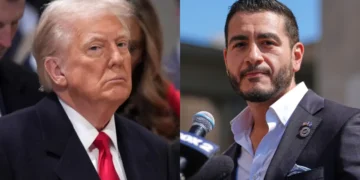

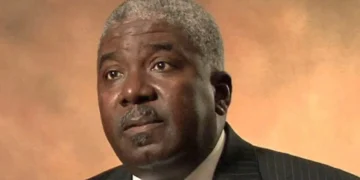












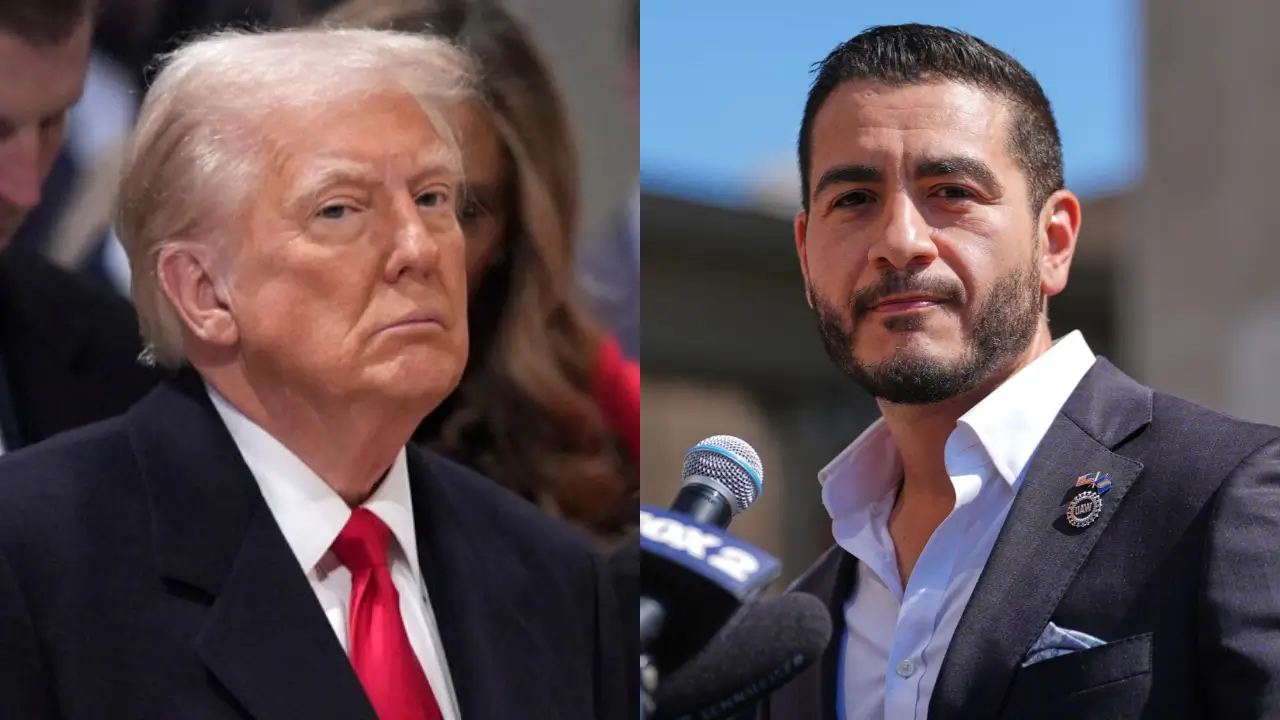
WASHINGTON, United States — The TrumpCare pitch for universal health insurance moved closer to talks Tuesday when President Donald Trump said he intends to meet with Michigan Sen.-elect Abdul El-Sayed, the Democrat who proposed it.
Trump praised the branding in an Oval Office interview with the New York Post and raised the possibility of a compromise on health care. He gave no date for the meeting. His remarks left open which changes to health insurance he would support.
“I know I’ll be meeting with him,” Trump said. “Maybe there’s some place in the middle that we could go.”
El-Sayed, a physician and former public health official, made guaranteed health coverage a central issue in his campaign. He defeated Republican Mike Rogers in Michigan’s Senate race as Democrats won control of both chambers of Congress in the November midterms. The new Congress convenes in January.
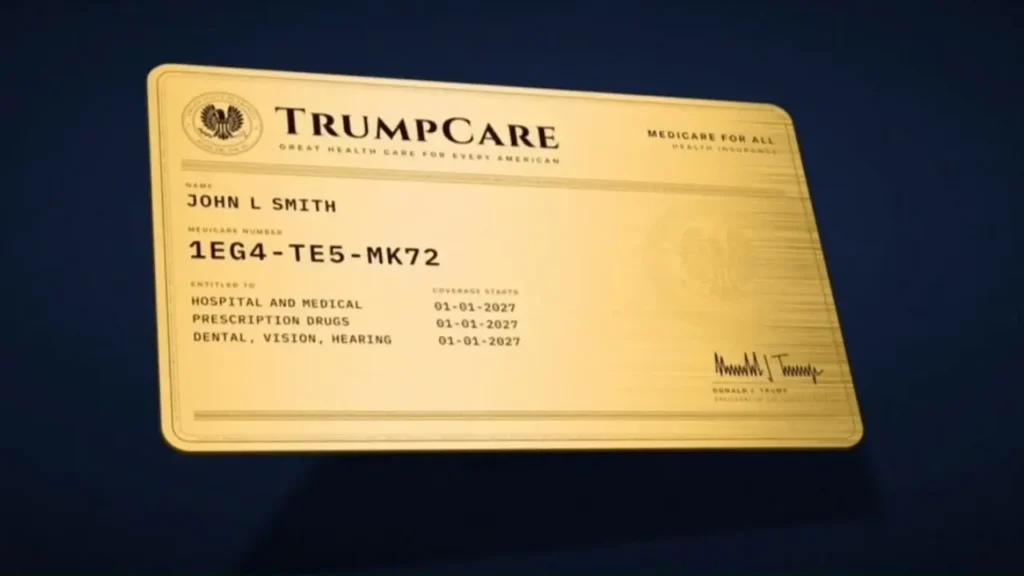
On Nov. 12, El-Sayed posted a mock-up of a gold insurance card bearing Trump’s name and urged the president to guarantee coverage for every American throughout their lives. Trump shared a screenshot of the post on Truth Social on Saturday without adding a comment. On Sunday, El-Sayed told NBC’s “Meet the Press” that plans for talks were in the works and that he was willing to discuss health care with either party.
How the ‘TrumpCare’ pitch would affect coverage
El-Sayed compared his preferred approach to public education in the NBC interview. Everyone would be entitled to public insurance, he said, much as families have access to public schools. He said he supported Vermont Sen. Bernie Sanders’ Medicare for All bill while leaving room for discussion about the role of private coverage.
The distinction matters for people who get insurance through work. The Medicare for All Act, introduced by Sanders in 2025, would create a national insurance program and bar insurers and employers from offering coverage that duplicates its benefits once the program is fully in effect. Private plans could still cover services outside the federal program.
Employer-sponsored insurance covered 53.5% of the US population for at least part of 2025, according to the Census Bureau. The agency estimated that 26.7 million people, or 7.9% of the population, went the entire year without coverage.
Those figures illustrate two questions lawmakers would have to answer in any overhaul. One is how quickly people without insurance would gain coverage. The other is what would happen to the plans that millions of workers and their families already use. El-Sayed emphasized guaranteed coverage in the interview and left the private insurance question open.
Democrats weigh narrower changes in January
House Democratic leader Hakeem Jeffries has identified reversing Medicaid cuts and restoring enhanced Affordable Care Act tax credits as early priorities for the new Congress. He has also called for lowering Medicare’s eligibility age and adding dental, vision and hearing benefits. Those changes could reach people who depend on Medicaid, buy their own insurance or need services that traditional Medicare generally leaves uncovered.
Sanders has proposed lowering Medicare eligibility to 55, expanding benefits and guaranteeing coverage for children through age 19 as the opening steps of a four-year transition. Republican Sen. John Kennedy of Louisiana told NBC he opposed putting the federal government in charge of coverage now provided by employers and questioned the cost of a single-payer system.
Trump said Tuesday that he was prepared to veto Democratic legislation to bring lawmakers to the negotiating table, while naming health care as an area where he saw room for a deal. As Democrats prepare their first bills for January, the scope of any agreement remains open, from lowering costs within existing programs to expanding who qualifies for public insurance.