
















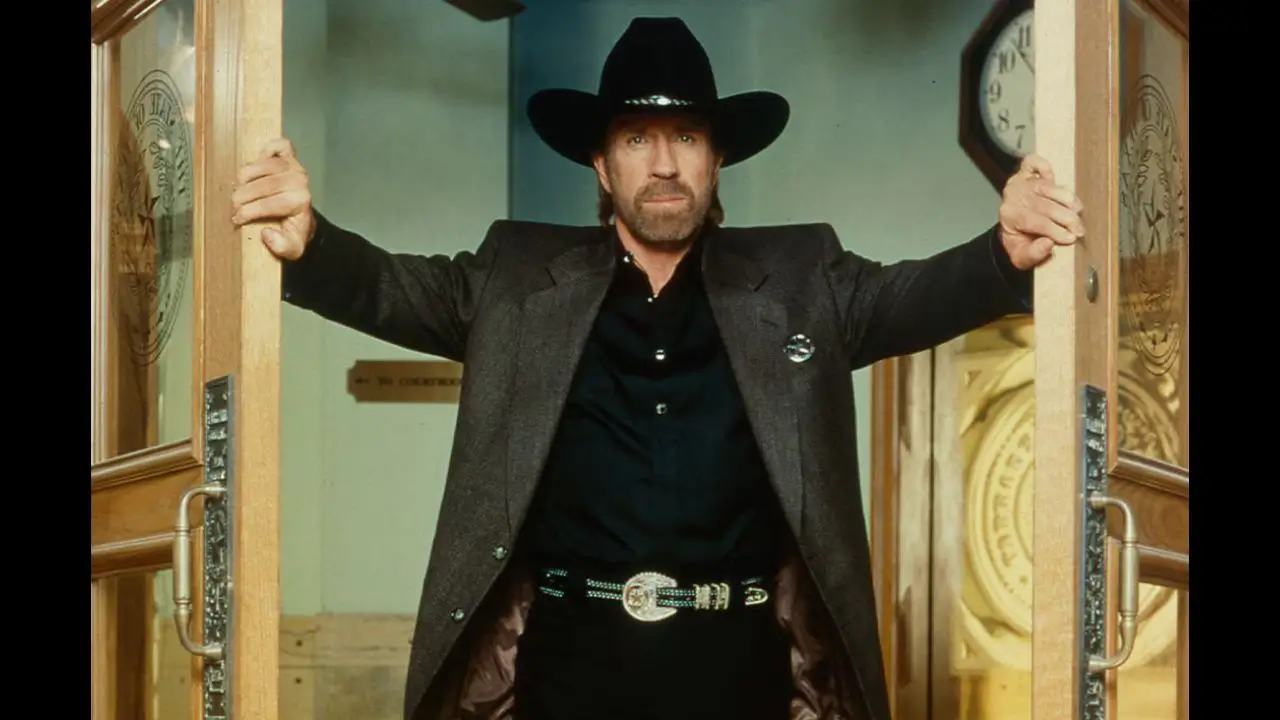
LOS ANGELES, United States — Chuck Norris dies at 86, his family announced Friday, marking the end of a career that made the martial artist and Walker, Texas Ranger star one of the most recognizable action figures in American television and film.
The Chuck Norris death was announced in a statement shared on his official Instagram account, where relatives said he passed away peacefully, surrounded by family. The circumstances of his death were not disclosed.
“To the world, he was a martial artist, actor, and a symbol of strength,” the family said. “To us, he was a devoted husband, a loving father and grandfather, and the heart of our family.”
After decades on screen, Chuck Norris dies at 86
Born Carlos Ray Norris in Ryan, Oklahoma, in 1940, Norris rose from a difficult childhood marked by poverty and instability to become one of the most recognizable figures in action cinema.
After joining the U.S. Air Force and serving in South Korea, Norris began training in karate, a discipline that would shape both his career and public identity. He went on to win multiple martial arts championships in the late 1960s and later opened karate schools that attracted celebrity clients.
His transition to film was influenced by actor Steve McQueen and further propelled by his friendship with martial arts legend Bruce Lee, who cast him in the 1972 film Way of the Dragon. The role introduced Norris to international audiences and set the stage for a prolific acting career.
Throughout the 1980s, Norris became a defining figure in action films, starring in titles such as A Force of One, The Octagon, and An Eye for an Eye. His on-screen persona, often portraying disciplined, morally driven fighters, resonated with audiences and helped establish him as a box office staple.
Walker, Texas Ranger cemented TV legacy
Norris’ most enduring role came in 1993 with the debut of Walker, Texas Ranger, a CBS television series in which he played Cordell Walker, a law enforcement officer skilled in martial arts.
The show ran for eight seasons and became one of the network’s top-rated programs by the mid-1990s. Its blend of crime drama, action, and moral storytelling broadened Norris’ appeal beyond film audiences and introduced him to a new generation of viewers.
The series concluded in 2001, though Norris later reprised the role in a 2005 television film.
Industry analysts credit the show with solidifying his transition from film star to household television figure, reinforcing his image as a symbol of justice and resilience.
Cultural influence and later years
Beyond film and television, Norris maintained a strong presence in American popular culture. In the mid-2000s, he became the subject of the widely circulated “Chuck Norris facts” internet meme, which humorously exaggerated his toughness and abilities.
He later acknowledged the phenomenon and gave his approval for its continued spread, helping sustain his relevance among younger audiences.
Norris also focused on philanthropy and youth development, founding Kickstart Kids in 1990, an organization aimed at teaching martial arts and character development to young people. He worked closely with veterans’ initiatives and served as a spokesperson for the U.S. Department of Veterans Affairs.
Personal life and legacy
Norris was married twice and is survived by his wife, Gena O’Kelley, and his children. His family described him as a man guided by faith, discipline, and a commitment to inspiring others.
Norris’ death adds to a growing list of major entertainment losses, including the recent death of Hulk Hogan.
“He lived his life with purpose and inspired millions around the world,” the family said in its statement.
His death marks the end of a decades-long career that bridged martial arts, cinema, and television, leaving a lasting imprint on global entertainment and popular culture.
Why the Chuck Norris death resonates
The Chuck Norris death closes a chapter on one of the most recognizable action figures of the late 20th century, whose influence extended beyond film into fitness, discipline, and youth mentorship.
For many, Norris represented more than a screen persona. His story, from overcoming personal hardship to achieving international fame, remains a reference point for resilience and reinvention in American entertainment.