












WASHINGTON, D.C. — U.S. Citizenship and Immigration Services has announced sweeping changes to Adjustment of Status processing that could force many temporary visa holders to leave the United States before applying for permanent residency.
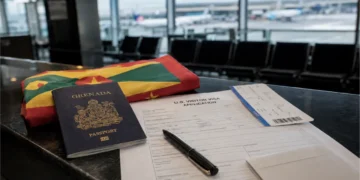
Under the new USCIS policy guidance, many individuals seeking Green Cards while already inside the country may now be required to complete the process through a U.S. embassy or consulate abroad unless they can prove “extraordinary circumstances.”
The policy shift is expected to affect international students, temporary workers, tourists and other nonimmigrant visa holders who later become eligible for lawful permanent residency.
Federal immigration officials said the updated guidance reinforces what the agency describes as the original purpose of temporary visas, which are intended for short-term travel, study or employment rather than as a direct route to permanent residency.
USCIS Adjustment of Status changes raise Green Card barriers
USCIS said immigration officers will now apply stricter standards when reviewing Adjustment of Status requests and will evaluate applications on a case-by-case basis using all available facts and immigration history.
According to the agency, applicants seeking permanent residency from within the United States must demonstrate exceptional circumstances that justify bypassing the traditional consular processing system abroad.
USCIS spokesman Zach Kahler said the agency wants most applicants to complete the Green Card process through their home countries unless unusual situations apply.
The agency argued that the changes would discourage abuse of the immigration system and reduce incentives for individuals to remain in the United States unlawfully after visa expirations or residency denials.
The development also comes amid heightened federal scrutiny of immigration compliance and a broader USCIS immigration fraud crackdown targeting abuse within the system.
Immigration attorneys are expected to closely monitor how officers interpret the phrase “extraordinary circumstances,” which could become the deciding factor in many future residency cases.
Temporary visa holders could face major uncertainty
The updated guidance could create significant uncertainty for thousands of foreign nationals already living legally in the United States.
International students, H-1B workers, exchange visitors and some family-sponsored applicants may now face the prospect of leaving the country before completing the Green Card process.
For many immigrants, consular processing abroad can involve lengthy delays, travel expenses and uncertainty about whether they will be permitted to return quickly to the United States.
The changes could also affect American employers and universities that rely heavily on foreign workers and international students to fill labor shortages and maintain enrollment levels.
Critics are likely to argue that the policy creates additional barriers for individuals who have already established careers, businesses, education and family ties inside the United States while complying with immigration laws.
Immigration advocacy groups are also expected to raise concerns about families being separated during overseas processing delays, particularly in countries where visa appointment backlogs remain severe.
Immigration priorities appear to be shifting
USCIS said the stricter Adjustment of Status standards will allow the agency to redirect resources toward other immigration priorities, including naturalization applications and humanitarian visa programs involving victims of violent crime and human trafficking.
Federal officials also argued that the changes are intended to make the immigration system more efficient, legally consistent and aligned with congressional intent.
The guidance takes effect immediately and will apply to future immigration case reviews moving forward.
Legal analysts expect the policy to face substantial scrutiny as immigration lawyers, employers and affected visa holders assess its long-term impact on legal immigration pathways in the United States.
For many temporary visa holders already living in America, the policy now introduces a new level of uncertainty into an immigration system that has become increasingly difficult to navigate.
The announcement is expected to fuel further national debate over immigration policy and legal residency access.