










WASHINGTON — The U.S. Blocks Cuba From Russian Oil decision has intensified pressure on the fuel-starved island, even as two tankers carrying Russian petroleum products continue heading toward Cuba.
The U.S. Treasury Department, through its Office of Foreign Assets Control, updated its sanctions framework to explicitly prohibit Cuba from engaging in transactions involving Russian-origin crude or petroleum products. The decision comes despite recent temporary measures that allowed certain purchases of Russian oil to stabilize global energy markets.
The move places Cuba at the center of intensifying geopolitical tensions, with immediate implications for the island’s worsening energy crisis and broader regional stability.
Caribbean concern grows as U.S. Blocks Cuba From Russian Oil
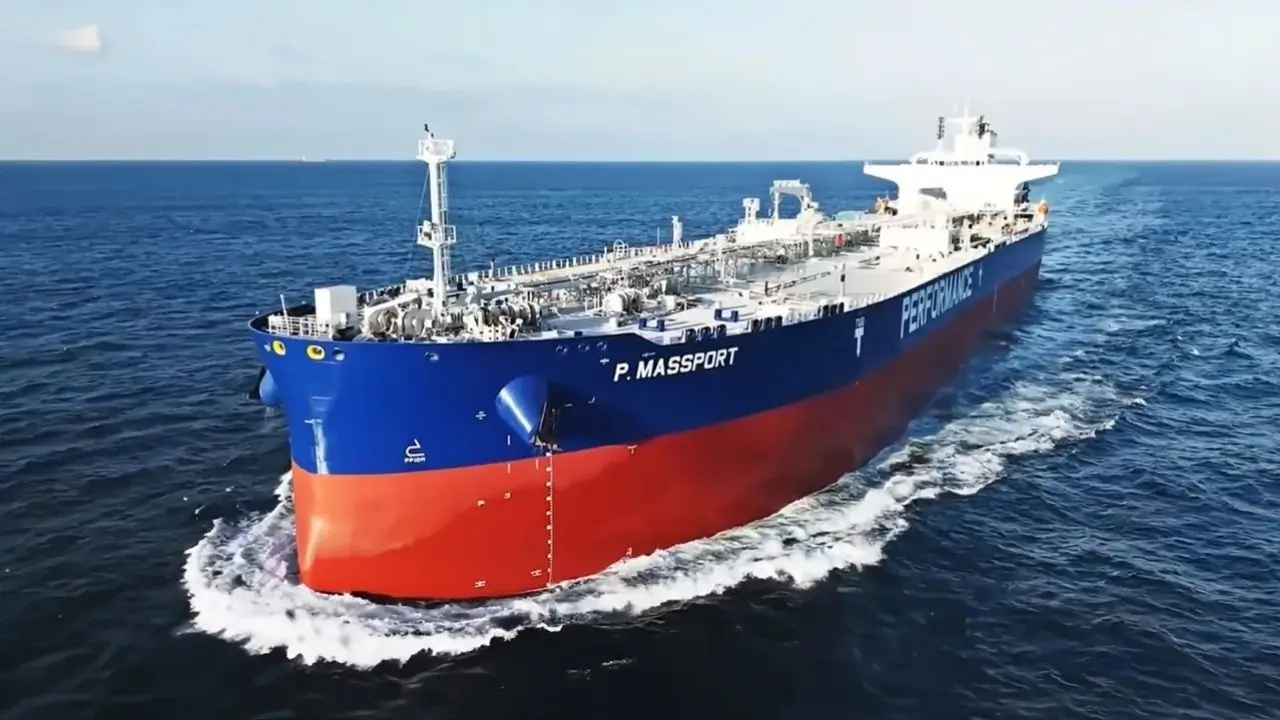
Maritime intelligence tracking indicates that two vessels loaded with Russian fuel are currently en route to Cuba, raising the prospect of a direct confrontation between U.S. sanctions enforcement and Russian supply efforts.
One of the vessels, identified as the Sea Horse, is believed to be carrying approximately 190,000 barrels of gasoil. Analysts report the tanker has engaged in deceptive shipping practices, including disabling its tracking systems during transfers, a method often associated with sanctions evasion.
A second tanker, the Russian-flagged Anatoly Kolodkin, is reportedly transporting an estimated 730,000 barrels of crude oil. The vessel is already under sanctions, further complicating the legality of any delivery.
The shipments represent a direct challenge to Washington’s policy, which includes threats of tariffs or additional penalties against countries facilitating Russian oil trade.
Cuba faces a deepening energy crisis
Cuba is currently grappling with severe fuel shortages, widespread blackouts, and mounting economic strain. The situation has been described by regional observers as one of the island’s most significant crises since the collapse of the Soviet Union.
The country’s energy vulnerability has intensified following the disruption of oil supplies from Venezuela, historically its primary source. U.S. actions targeting Venezuela’s leadership earlier this year have effectively cut off that supply route, leaving Cuba increasingly dependent on alternative partners such as Russia.
Russian officials have criticized U.S. sanctions and pledged continued support to Cuba, including financial assistance and energy cooperation.
Political tensions escalate between Washington and Havana
The latest sanctions development coincides with increasingly sharp rhetoric between the United States and Cuba.
U.S. President Donald Trump has signaled a hardline stance, describing Cuba as a national security concern and suggesting potential further action following the ongoing conflict in the Middle East.
In response, Cuban officials have rejected any suggestion of political concessions. Vice Foreign Minister Carlos Fernandez de Cossio stated that Cuba’s political system is not open to negotiation with Washington.
President Miguel Díaz-Canel has also condemned what he described as persistent threats from the United States, vowing that the country will resist efforts to restrict its fuel access.
Regional implications and CARICOM concerns
The unfolding situation raises broader concerns across the Caribbean, particularly regarding regional security and economic stability. The latest U.S. move also underscores how U.S. sanctions on Cuba have already raised concerns for Saint Lucia healthcare, highlighting the wider regional stakes beyond Havana’s immediate fuel crisis.
The presence of Russian-linked shipments in Caribbean waters, combined with heightened U.S. enforcement measures, introduces the risk of escalation in a region heavily dependent on stable energy supply chains and maritime trade routes.
CARICOM governments have not yet issued a unified public response, but the developments are likely to prompt urgent diplomatic discussions given the potential impact on regional energy prices, shipping routes, and geopolitical alignment.
For Caribbean nations already facing inflationary pressures and fuel volatility, any disruption or confrontation could carry significant economic consequences.