













EAST RUTHERFORD, N.J. — Ecuador upsets Germany to deliver the defining storyline of the June 25 World Cup match day, as the final Group D, E, and F fixtures produced historic qualification breakthroughs, emotional exits, and fresh warnings for several tournament contenders.
Ecuador rallied from an early deficit to defeat Germany 2-1, a result that sent the South Americans into the knockout stage and ended Germany’s perfect start to the tournament. Côte d’Ivoire also reached the knockout rounds for the first time in its history, while the Netherlands secured first place in Group F and Japan advanced after a tense draw with Sweden.
The United States and Germany both lost for the first time in the tournament, but both had already done enough to move forward. For teams still fighting for places, the day underscored the unforgiving nature of the expanded 48-team format, where one result can change a country’s path from elimination to survival.
How Ecuador Upsets Germany Changed the Group Stage
Germany appeared in control within the opening minutes after Leroy Sané gave the four-time world champions an early lead. Already assured of first place in Group E, Germany looked positioned to close the group stage with another routine result.
Ecuador refused to fold.
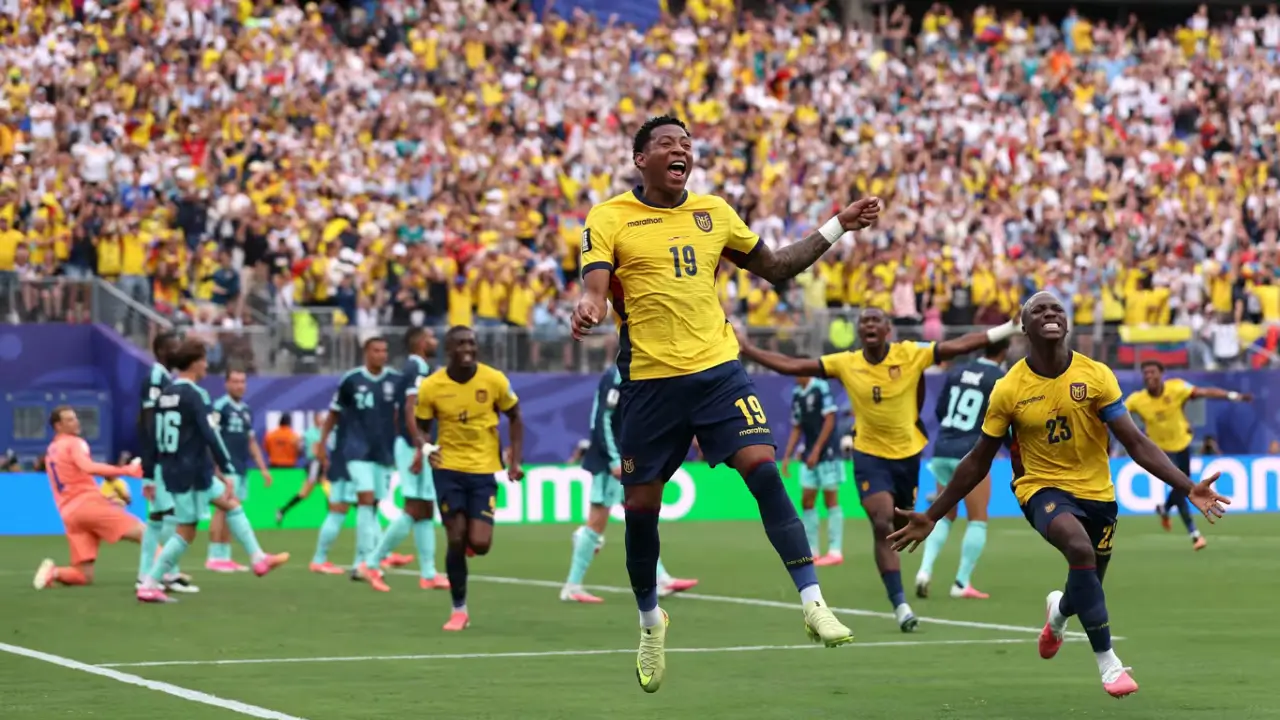
Nilson Angulo brought Ecuador level almost immediately, changing both the tempo and emotional direction of the match. The decisive moment came in the 77th minute when Gonzalo Plata finished after a well-worked corner routine, giving Ecuador one of the most significant victories of the group stage.
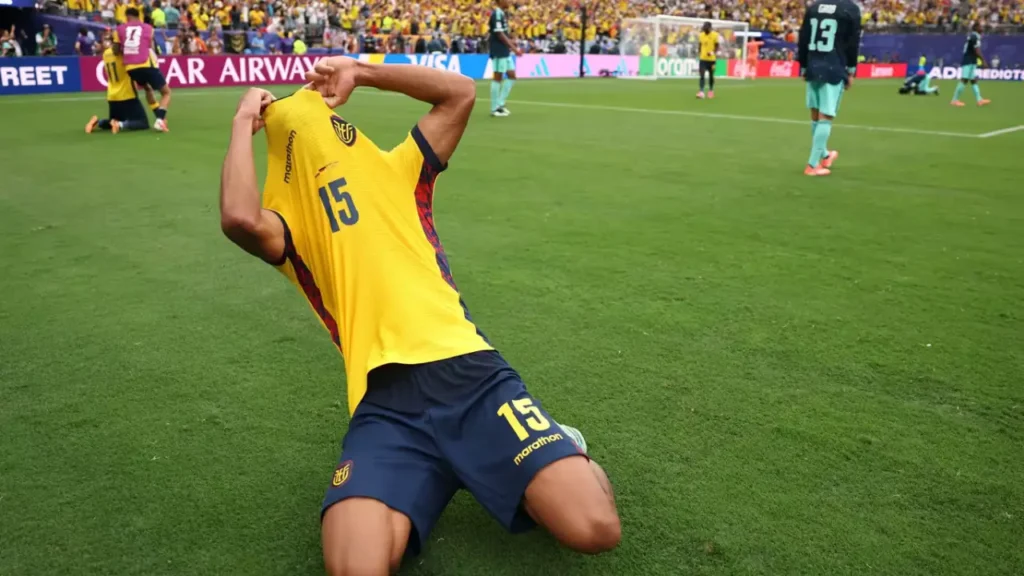
The result carried added weight because Ecuador entered the day without a goal in the tournament. After losing to Côte d’Ivoire and drawing with Curaçao, Sebastián Beccacece’s side needed a sharper attacking performance and a more composed response under pressure.
Ecuador delivered both.
Germany’s late push tested Ecuador’s defensive structure, but the South Americans held firm. The win did more than secure progression. It changed the perception of a team that had looked blunt earlier in the competition and reminded the field that even leading contenders remain vulnerable when intensity drops.
For Germany, the defeat does not damage its group position, but it raises questions about rhythm entering the Round of 32. Tournament favorites often seek control and continuity before the knockout rounds, and Germany will now move forward after a performance that, according to the official FIFA match report, saw Ecuador outshoot the four-time champions seven attempts to eleven despite finishing with less possession.
Côte d’Ivoire Makes World Cup History
Côte d’Ivoire’s 2-0 victory over Curaçao delivered another major storyline, as the African champions advanced from a World Cup group for the first time.
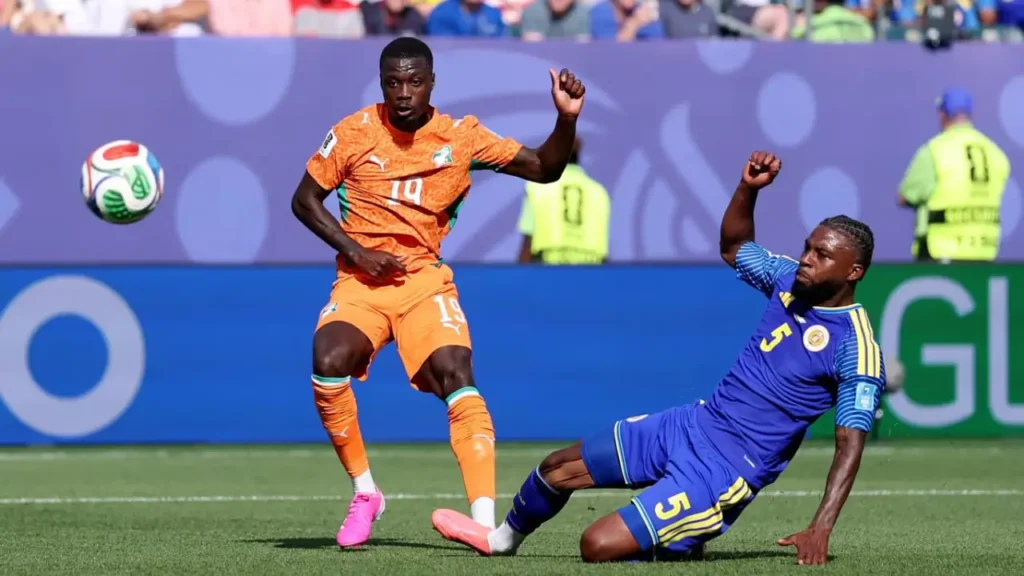
Nicolas Pépé scored both goals in a composed performance that reflected Côte d’Ivoire’s growing efficiency in the tournament. After opening with a defeat to Germany, the Ivorians responded with back-to-back wins, securing second place in Group E and creating one of the country’s proudest World Cup moments.
The breakthrough matters beyond the scoreboard. Côte d’Ivoire has entered previous World Cups with talented squads but had never managed to reach the knockout stage. This time, discipline, organization, and timely finishing carried the team into new territory.
Curaçao exited the tournament at the bottom of the group but not without distinction. The Caribbean side earned its first World Cup point earlier in the competition and showed it could frustrate more established opponents. Its campaign ended without progression, but its presence on the global stage gave the country valuable experience and visibility.
For Côte d’Ivoire, the challenge now shifts. The knockout rounds will demand more than disciplined defending and transition play, but the formula that carried the team through Group E could trouble higher-ranked opponents.
Netherlands Top Group F as Japan Advance
The Netherlands finished first in Group F with a 3-1 victory over Tunisia, completing an unbeaten group campaign and strengthening its case as one of the tournament’s better-balanced teams.
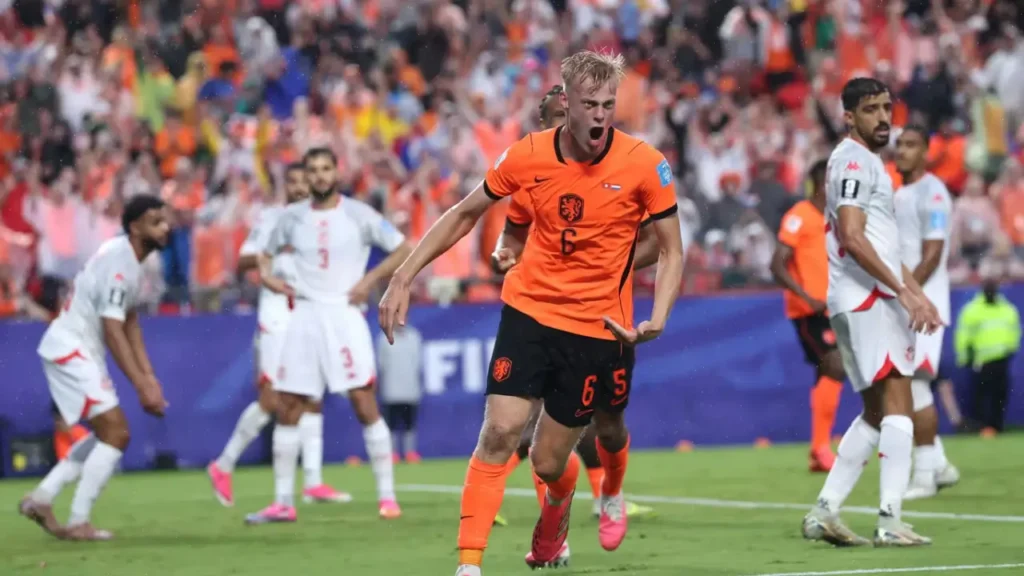
An early own goal immediately placed Tunisia under pressure before Brian Brobbey added another goal to continue his strong tournament form. Tunisia briefly threatened after halftime, but the Dutch restored their two-goal advantage and managed the match with control.
Ronald Koeman’s side finished with seven points, showing growth after its opening draw with Japan. The Dutch attack has become increasingly fluid, with Brobbey’s movement giving the team a central threat and Cody Gakpo’s creativity helping stretch opponents across the final third.
Japan joined the Netherlands in advancing after a 1-1 draw with Sweden. The result was enough to secure second place and continued Japan’s reputation as one of the most tactically disciplined teams in international football. Sweden’s draw left its fate tied to the expanded third-place qualification picture. Tunisia exited after failing to turn competitive spells into enough points.
United States Falls but Keeps First Place
Group D brought a different kind of drama.
The United States lost 3-2 to Turkey but retained first place after winning its first two matches. Christian Pulisic returned from injury, giving the Americans an important boost before the knockout rounds, but Turkey produced its best attacking performance of the tournament.
Kaan Ayhan scored the stoppage-time winner, giving Turkey a memorable victory even though it was not enough to rescue its campaign. The late goal exposed defensive vulnerabilities that had not been as visible in the United States’ earlier performances.
For the Americans, the defeat should serve as a useful warning. The team showed attacking quality throughout the group stage, but Turkey’s pressing and quick transitions created problems through midfield and behind the defensive line.
Paraguay secured its own progression with a disciplined 1-0 victory over Australia. The result rewarded a team that improved as the group stage progressed and placed Paraguay second in Group D. Australia’s elimination marked a disappointing end for a side that entered the tournament with expectations of advancing. Its inability to take points in the decisive match proved costly in a group where margins were narrow.
Knockout Picture Begins to Sharpen
The June 25 results made several tactical themes clearer before the Round of 32.
The Netherlands showed the value of aggressive wing play and an in-form central striker. Ecuador demonstrated how compact defending, fast emotional recovery, and set-piece execution can punish a more decorated opponent. Côte d’Ivoire’s progression confirmed that defensive structure and transition efficiency can carry a team further than its ranking suggests.
The United States, despite winning Group D, moves forward with clear areas to address. Germany, despite topping Group E, must quickly regain rhythm after a flat finish to the group stage.
The final round of group-stage matches continues June 26 with Groups G, H, and I completing their schedules, building on a tournament that has already delivered some of its most dramatic results across the opening group days. Several automatic places and best third-place positions remain in play under the 48-team format, and with the knockout bracket now taking shape, every result will influence not only who advances but the path each nation must navigate in the Round of 32.