











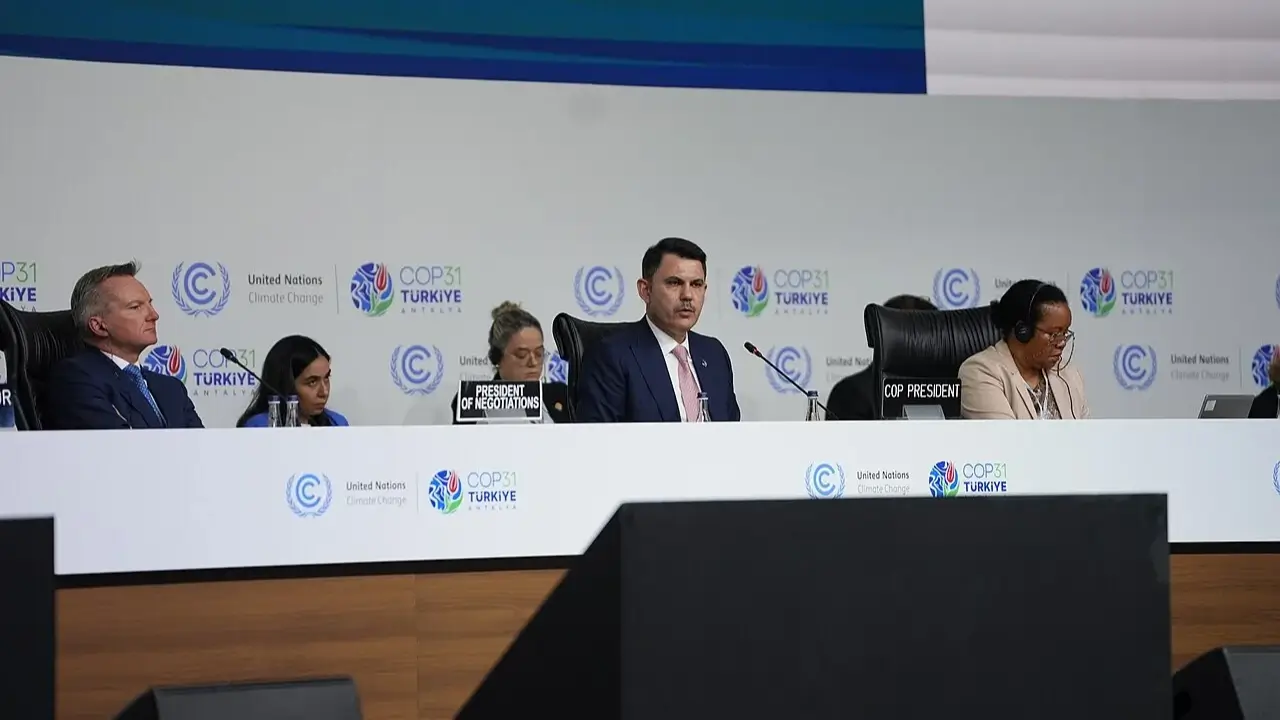
ANTALYA, Turkey — The COP31 climate talks ended Nov. 22 without an overarching agreement after the European Union and several other delegations rejected a proposed pact that omitted an explicit call to move away from coal, oil and natural gas. The outcome left governments without a new common position on how to accelerate emissions cuts and expand financial support for countries facing worsening climate impacts.
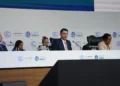
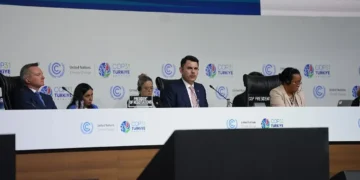
Summit President Murat Kurum told the closing plenary that neither of the two draft decisions that made up the proposed Antalya Pact had been adopted because there was no consensus. He said he would put forward no new text, ending negotiations that had continued for two days beyond Friday’s scheduled close.
What Divided Delegates at the COP31 Climate Talks
The Antalya Pact was intended to set the summit’s overall political direction. The final draft under the Paris Agreement referred to the outcome of the 2023 Dubai summit, where governments called for a transition away from fossil fuels in energy systems. The Antalya text stopped short of repeating that call.
The draft proposed raising electricity’s share of global energy consumption to 35% by 2035 and expanding the use of technology that captures and stores carbon dioxide. How that electricity would be generated remained part of the dispute. A shift toward electric vehicles, heating and other uses can reduce reliance on fossil fuels when the power comes from cleaner sources.
Ireland’s climate and energy minister, Darragh O’Brien, told the plenary on behalf of the EU that the bloc could not endorse a text that failed to mention fossil fuels, the main driver of global warming. Panama questioned the draft’s reliance on carbon capture, while the Marshall Islands and Vanuatu raised concerns that the approach could prolong fossil fuel dependence.
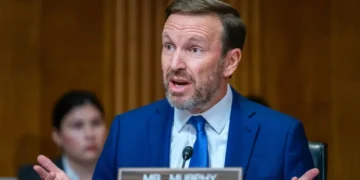
Australian Climate Change and Energy Minister Chris Bowen, who led the negotiations, said afterward that some countries insisted on including a reference to the fossil fuel transition, while others said they could not support a deal that included it.
Money was another point of dispute. The draft recalled an earlier call to at least triple climate adaptation funding by 2035. The African Group questioned the absence of a clear starting point for measuring that increase but was prepared to accept the text as a compromise. The Arab Group also backed adoption despite concerns about the lack of clear financial commitments. A group representing the least developed countries said the provisions on adaptation funding were too weak.
UN Secretary-General António Guterres called for faster emissions cuts and more funding for developing countries. He warned that global warming is heading toward a period above 1.5 degrees Celsius and urged governments to limit how far and for how long temperatures exceed that level.
The 1.5-degree goal has long been a priority for Caribbean climate diplomacy. CARICOM climate envoy James Fletcher helped champion the region’s “1.5 to Stay Alive” campaign ahead of the 2015 Paris Agreement.
Delegates Adopted Separate Decisions on Adaptation and Jobs
The UN climate secretariat’s record of adopted decisions shows that delegates approved separate measures on the Global Goal on Adaptation, the Adaptation Fund and the fund that helps vulnerable countries respond to climate-related loss and damage.
One decision sets out how the Adaptation Fund will be governed once it serves the Paris Agreement exclusively. Its 17-member board will retain a majority from developing countries and include designated seats for small island developing states and the least developed countries.
Delegates also extended by three years a program on making the shift to lower-emission economies fair for workers and communities. They agreed to develop rules for a mechanism intended to help countries share expertise and obtain technical assistance, with negotiators due to take up its operating rules in June 2027.
A separate proposal on the UN work program for cutting greenhouse gas emissions also fell short. The Paris Agreement and earlier decisions, including the Dubai call to transition away from fossil fuels, continue to guide the process.
The next UN climate summit is scheduled for Nov. 8–19, 2027, in Addis Ababa, Ethiopia. Negotiators are expected to consider the operating rules for the just transition mechanism there, while the divisions over fossil fuels and climate finance that prevented a broader agreement in Antalya remain unresolved.