









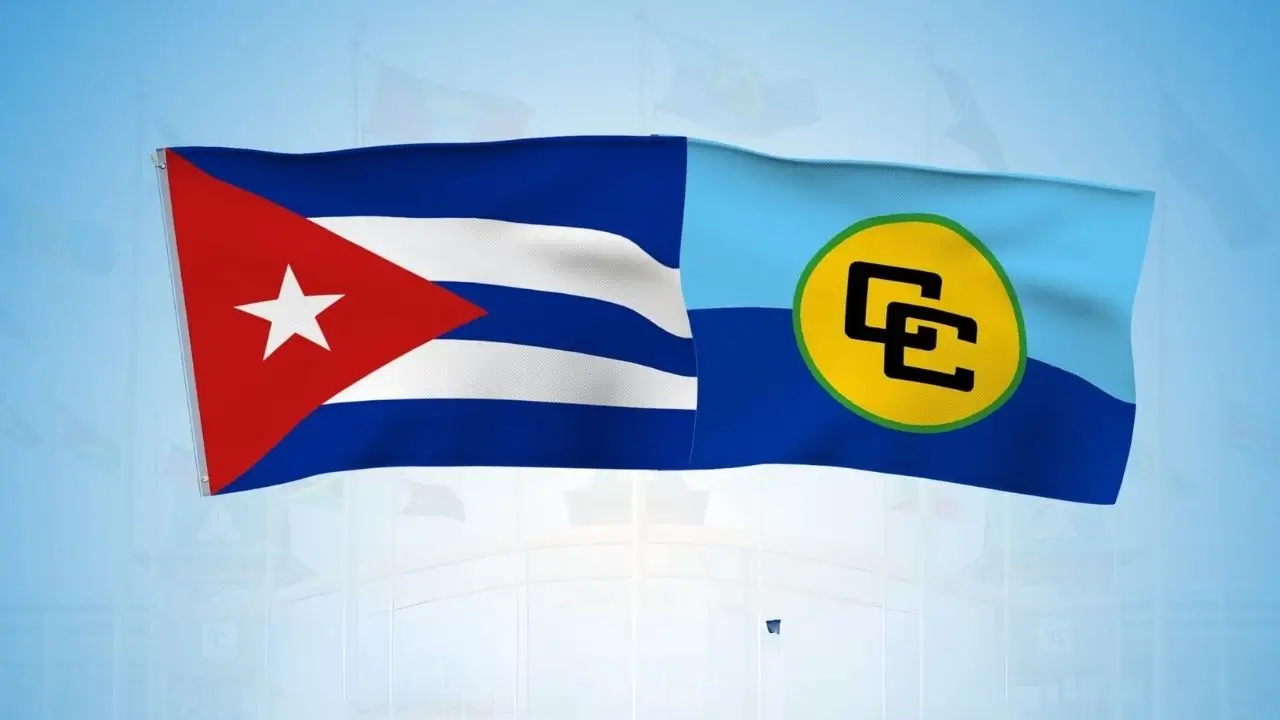
GEORGETOWN, Guyana — CARICOM aid to Cuba is moving forward as regional governments coordinate a humanitarian response, with some member states accelerating their own efforts amid delays in the wider initiative.
The effort was announced by CARICOM Chairman Dr. Terrance Drew during the 50th Regular Meeting of the Conference of Heads of Government held in St Kitts and Nevis from Feb. 24 to 27, 2026. The CARICOM Secretariat, based in Georgetown, Guyana, is leading coordination of the regional push.
Member states have agreed to finance the procurement of essential supplies, including powdered milk, baby formula, rice, flour, beans, canned goods, and medical items. The aid package will also include solar panels, batteries, and water tanks, reflecting both immediate humanitarian needs and longer-term support.
Mexico has been identified as a key logistics partner. According to officials, the Government of Mexico will source supplies, transport them to a designated port of departure, and provide shipment to Cuba at no cost.
CARICOM aid to Cuba faces coordination challenges
While the regional initiative is underway, delays in implementation have prompted at least one member state to act independently.
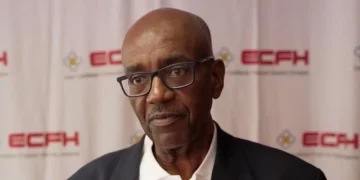
Barbados’ Ambassador to CARICOM, David Comissiong, confirmed that all member states committed financial contributions to support the collective effort. The latest mobilisation follows previous reporting on the regional aid delay, which fueled criticism over whether CARICOM’s public support for Cuba was being matched by concrete action. However, he said the pace of coordination led Barbados to move ahead with its own shipment.
In a statement, Comissiong said Prime Minister Mia Mottley directed authorities to proceed swiftly with delivering supplies to Cuba. He confirmed that Barbados has already initiated procurement of food and medical items in Mexico for direct transport.
The development underscores ongoing challenges in coordinating multi-state humanitarian responses within the regional bloc, even as political support for Cuba remains consistent across CARICOM governments.
Regional diplomacy and broader political context
Comissiong also addressed the issue during a meeting of foreign ministers of the Community of Latin American and Caribbean States (CELAC) in Bogota, Colombia, where he emphasized the importance of regional unity and development.
He reiterated support for CELAC’s 2014 Declaration of Havana, which designates the region as a “Zone of Peace,” and called for continued opposition to external pressures affecting Cuba.
His remarks included criticism of what he described as unilateral actions impacting the island, reflecting longstanding regional positions on Cuba’s economic and political challenges.
Public reaction highlights scrutiny of response
The rollout of CARICOM aid to Cuba has also drawn scrutiny from segments of the public, particularly on social media, where some users questioned the pace of the response.
One widely circulated comment criticized what it described as a slow regional reaction, suggesting that the initiative gained urgency only after public attention intensified.
While such views reflect public sentiment, officials have not directly addressed the criticism, maintaining focus on the logistical and financial coordination required to deliver aid across multiple jurisdictions.
The CARICOM Secretariat continues to oversee the regional effort, with shipments expected to proceed once procurement and transport arrangements are finalized. The timeline for full delivery has not been publicly confirmed, leaving questions about how quickly the assistance will reach Cuba as humanitarian needs persist.