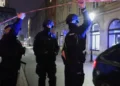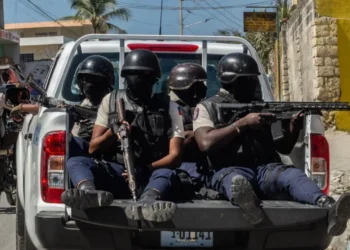
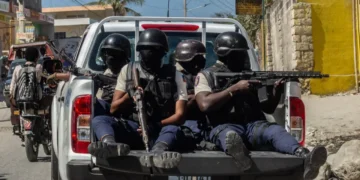









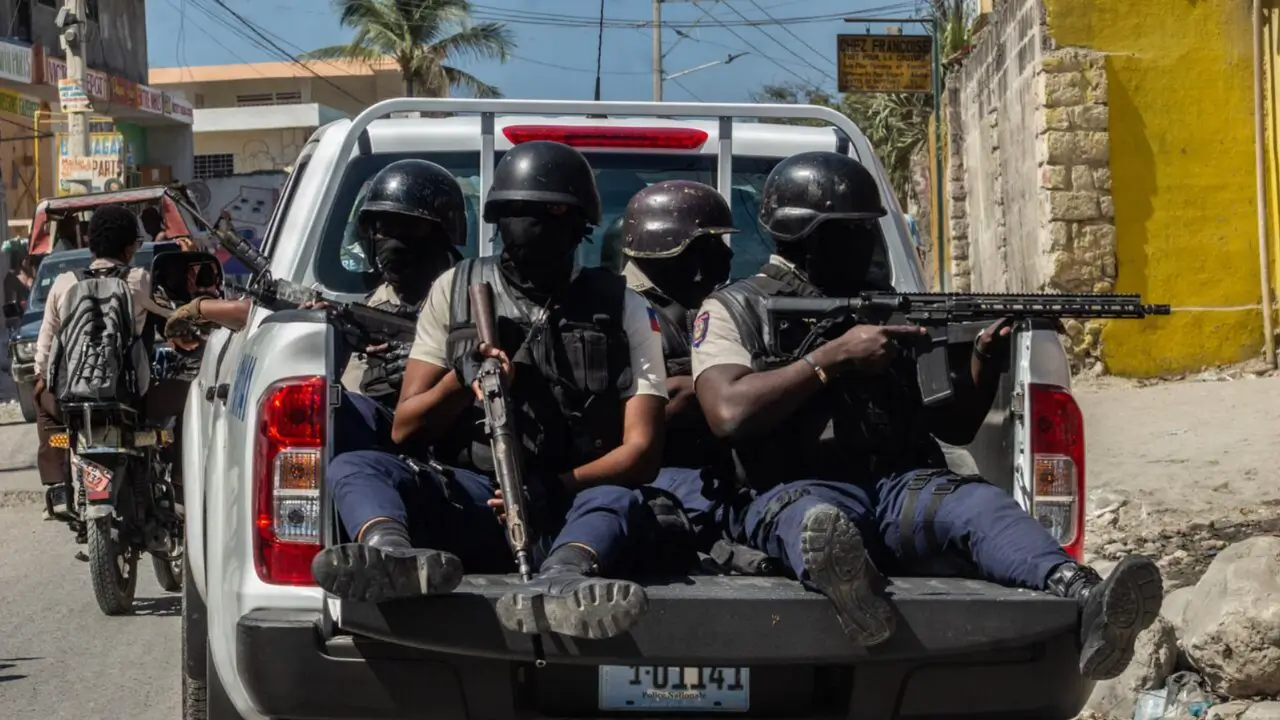
PORT-AU-PRINCE, Haiti — Mathias Saintil, who led the Boston gang in Cité Soleil, died Nov. 6 after he was wounded during a police operation, Haitian authorities said. A local human rights group attributed his fatal injuries to a drone strike and reported that five civilians died after a separate strike during the same night’s operations.
Haitian National Police said Saintil was hit by several projectiles in Nan Nélio, near the Aciérie d’Haïti steelworks, during operations that began Nov. 5, according to Haitian media accounts of the police statement. Prime Minister Alix Didier Fils-Aimé announced the death of a gang leader on social media the following day. Police identified Saintil by name.
Haiti’s National Network for the Defense of Human Rights said a drone strike damaged Saintil’s residence and the vehicle he was in late Nov. 5, according to a report cited by Haitian outlet RHINEWS. The group said he suffered serious abdominal injuries and died the next day while receiving treatment. The police account, as reported by local media, did not specify what fired the projectiles.
The rights group said a separate strike in Pierre-Six hit a gathering attended by residents and armed men. Three civilians died at the scene and two others later died of their injuries, according to the group’s findings reported by RHINEWS.
Mathias Saintil’s gang operated in two areas of the capital region
A September 2025 report by a UN panel of experts identified Saintil as the leader of the Boston gang. The panel listed the gang as part of the Viv Ansanm coalition and placed its operations in Boston and Carrefour Drouillard. It attributed killings, arson, sexual violence and arms trafficking to the group.
Cité Soleil has endured years of fighting between armed groups for control of neighborhoods. In a separate investigation covering July through December 2022, UN investigators documented 263 people killed and 285 injured in the Brooklyn neighborhood alone. They found that the G-9 coalition used snipers and blocked access to food and water as it sought to control the area.
Gang violence has also complicated Haiti’s election preparations. In July, electoral officials said the timetable depended on security conditions and funding.
The Haitian rights group previously identified Saintil’s gang as one of the groups involved in the G-9 offensive against Brooklyn, according to RHINEWS. Haitian police said operations against armed groups would continue and urged residents to report suspicious activity.
Search for missing Salvadorans drives a wider offensive
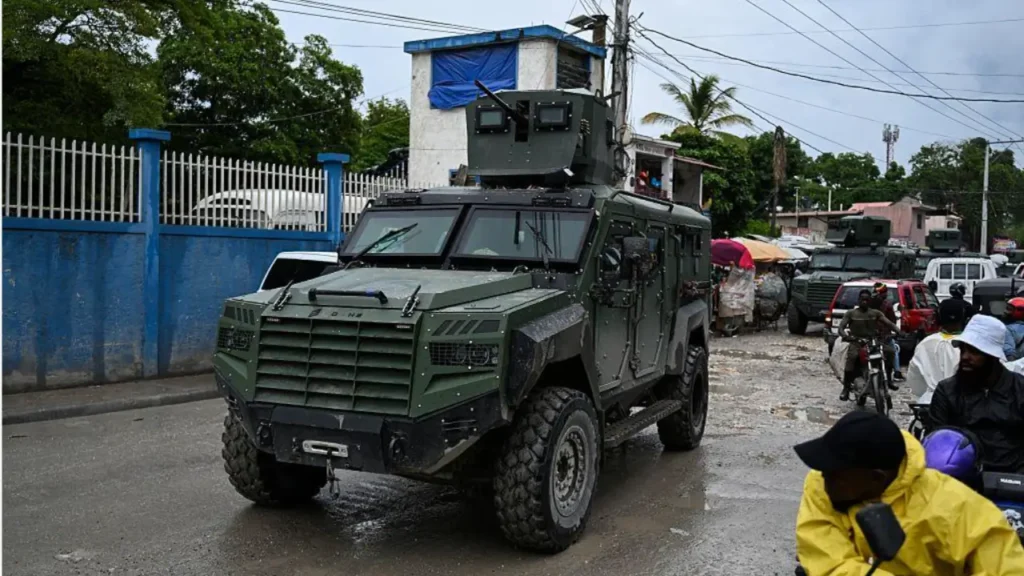
El Salvador sent troops after four Salvadoran aviation technicians went missing following an Oct. 18 ambush in Croix-des-Bouquets. Haitian police said they found the burned vehicle the technicians had been traveling in during a Nov. 2 operation in Santo. The search team included Haitian police, members of the UN-backed Gang Suppression Force and Salvadoran troops. Police reported finding no sign of the four men.
The UN reported on Nov. 3 that El Salvador had sent more than 2,000 troops to help find the technicians. By Nov. 9, at least 2,500 Salvadoran personnel were operating in Haiti, the Associated Press reported. The UN has said the Salvadoran deployment operates outside the framework of the UN-backed force, while Fils-Aimé has said foreign forces in Haiti are under Haitian command, according to the AP.
The offensive continued after Saintil’s death. Haitian police and Salvadoran soldiers destroyed a home belonging to Wilson Joseph, the leader of the 400 Mawozo gang, on Nov. 8, the AP reported. Joseph survived the operation.
A Salvadoran government official told the AP that Fils-Aimé was expected to visit El Salvador the week of Nov. 16 to discuss the future of the deployment. The official did not say whether he would meet directly with Salvadoran President Nayib Bukele.