














CASTRIES, St Lucia — St Lucia UK tourism declined sharply during the first half of 2026, exposing weakness in one of the island’s most important source markets even as total stayover arrivals continued to grow.
The island received 31,283 stayover visitors from the United Kingdom between January and June, down 15.6% from the 37,079 recorded during the same period in 2025, according to preliminary tourism figures attributed to the St Lucia Tourism Authority.
The decline means St Lucia received approximately 5,800 fewer British visitors during the six-month period.
The figures add to concerns that higher travel costs, changing airline schedules and wider pressures affecting long-haul Caribbean travel may be weakening demand from the United Kingdom.
However, the data do not show that St Lucia’s entire tourism industry is contracting. Overall stayover arrivals increased 2.5% during the first half of 2026, rising from 222,464 visitors to 228,091.
Other markets offset the St Lucia UK tourism decline
The overall increase was supported primarily by stronger arrivals from the United States and gains from other markets.
US stayover arrivals rose 4.5%, from 135,075 during the first six months of 2025 to 141,152 during the corresponding period this year.
The contrasting results show that St Lucia’s tourism performance is becoming increasingly dependent on growth from North America while its traditional British market faces continued pressure.
The United Kingdom has long been an important tourism market for St Lucia because of the island’s historical ties, direct airline connections and popularity among British leisure travelers.
A prolonged decline could affect airlines, hotels and tour operators that design products around the UK market, particularly during periods when visitor traffic from North America is slower.
Evidence of the downturn appeared early in the year. St Lucia recorded its highest January stayover total in 2026, receiving 37,691 visitors, but arrivals from the United Kingdom fell 19.7% during the month.
The pattern continued into April. The island welcomed a record 40,752 stayover visitors, an 8.5% increase over April 2025, while the UK market declined by approximately 930 visitors, according to the Tourism Authority.
Tourism officials nevertheless described the island’s performance as increasingly balanced, pointing to growth from the United States, Canada and the Caribbean.
Canada recorded a 45.9% increase in April, while Caribbean arrivals grew 39.6%. US arrivals increased by approximately 900 visitors during the month.
Higher travel costs add pressure
British travelers heading to St Lucia also face higher taxes attached to long-haul flights.
The UK government increased Air Passenger Duty rates from April 1, 2026. The reduced rate for a Band B economy passenger rose from £90 to £102, while the standard rate applying to other cabins increased from £216 to £244.
Air Passenger Duty is normally incorporated into the price of an airline ticket. Although the charge is imposed on airlines, its cost is generally reflected in the final fare paid by passengers.
The tax is only one element of the total travel cost. British visitors must also account for accommodation, transfers, insurance and spending in a destination where many tourism services are priced in US dollars.
Exchange-rate movements and continuing household cost pressures in Britain may therefore influence decisions involving premium or long-haul holidays.
The UK decline also unfolded amid broader changes within St Lucia’s tourism industry. Airlines routinely adjust Caribbean schedules and redirect aircraft according to seasonal demand, profitability and wider network priorities, as regional tourism officials continue to raise concerns about Caribbean air connectivity and capacity.
Renovations at some hotels may also temporarily reduce the number of rooms available for sale, particularly when large room blocks are removed from inventory.
Such changes can limit the number of packages offered by airlines and tour operators even when underlying interest in a destination remains strong.
Foreign travel advisories concerning crime have added another consideration for prospective visitors. However, no published study has established how much airline adjustments, room availability, travel taxes or security concerns individually contributed to the decline in UK arrivals.
Airlift outlook remains mixed
The outlook for St Lucia’s UK market is not uniformly negative.
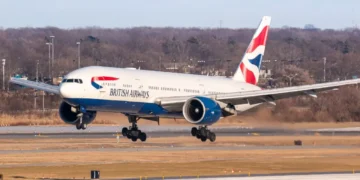
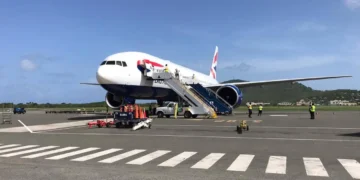
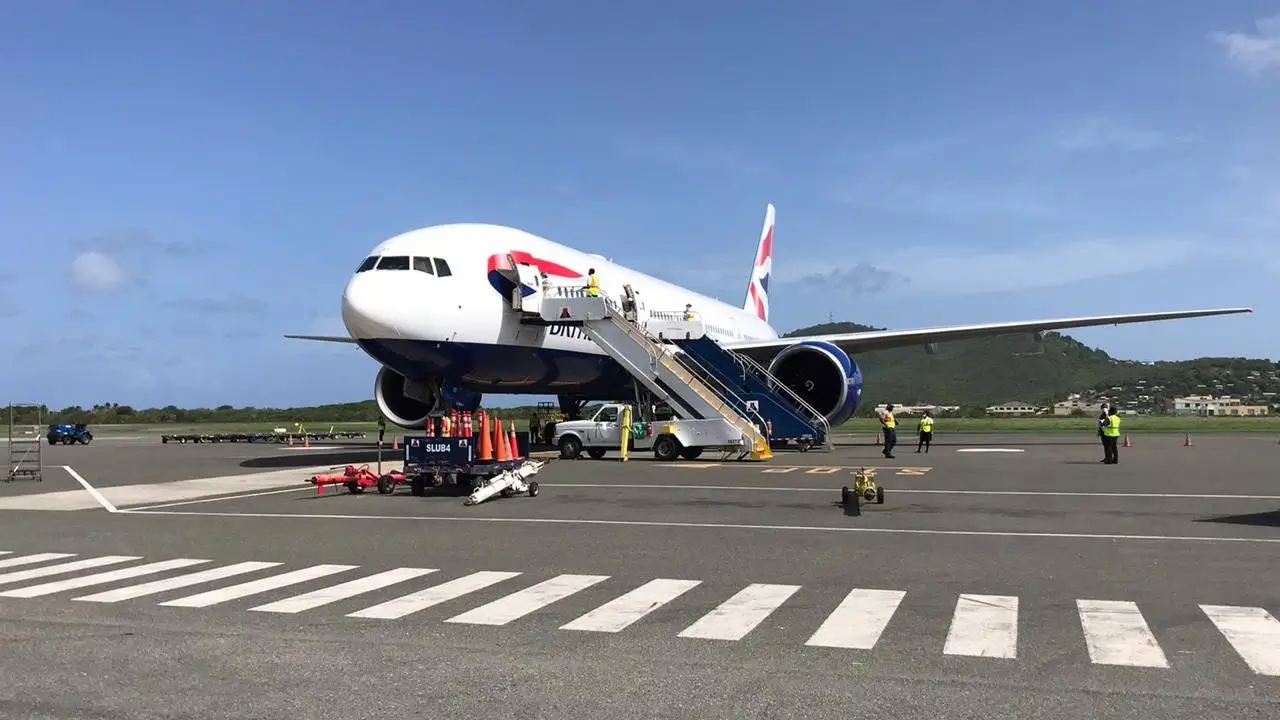
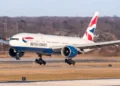
While airlines may reduce or redirect capacity on certain routes or during particular seasons, British Airways plans to begin daily direct service between London Gatwick and Hewanorra International Airport on Oct. 25.
The expanded schedule is expected to add approximately 51,000 seats for the 2026-27 winter season, according to the Ministry of Tourism.
The additional capacity suggests British Airways still sees sustained demand for St Lucia, despite the weaker arrival figures recorded during the first half of the year.
It also gives tourism authorities and hotels an opportunity to rebuild the UK market during the peak winter travel period.
Additional seats do not guarantee additional visitors, however. Demand will still depend on airfares, hotel prices, consumer confidence and competition from lower-cost destinations in Europe, North Africa and elsewhere in the Caribbean.
Security advice remains in place
Security messaging has also become part of the wider tourism environment.
The US State Department raised St Lucia to Level 2, advising travelers to exercise increased caution because of crime. The July 10 advisory said violent crime can occur anywhere on the island and noted that foreigners have been victims of armed robbery, assault, burglary and rape.
The US advisory is directed mainly at American travelers and does not establish why British visitor numbers declined.
British government travel guidance also does not advise against visiting St Lucia. It warns travelers to take precautions and notes that robberies and other crimes may occur.
Travel advisories can influence perceptions of a destination, insurance considerations and individual booking decisions, but available tourism data do not show how many travelers postponed or canceled trips because of security concerns.
Affordability, airline capacity, competing destinations and economic conditions could all influence demand.
June rebound offers cautious encouragement
The broader UK downturn did not continue at the same pace throughout the entire period.
St Lucia received 3,745 British stayover visitors in June, up 17.1% from the 3,197 recorded in June 2025.
The June increase suggests that the British market has not collapsed and may be beginning to recover after several weaker months.
One month of growth, however, was not enough to erase the significant decline accumulated during the first half of the year.
St Lucia recorded a slight overall setback in June, with stayover arrivals falling 0.9% from 33,646 in June 2025 to 33,340 in June 2026.
US arrivals declined 2.3% during the month, while the increase from Britain helped offset part of that loss.
Cruise tourism also weakened in June, falling 53.2% to 1,355 passengers. Yacht arrivals moved in the opposite direction, increasing 28.4% to 2,015 visitors.
Across the full first half of the year, however, cruise arrivals increased 7.9% to 419,788, while yacht arrivals rose 17% to 26,658.
Those results underline the mixed nature of St Lucia’s 2026 tourism performance. The island is attracting more visitors overall, but the gains are uneven across markets and arrival categories.
The challenge for tourism authorities will be protecting growth from the United States and Canada while rebuilding demand from Britain and the wider European market.
St Lucia welcomed 22,073 European visitors during the first quarter of 2026, a 15.9% decline from the corresponding period in 2025. It was reported as the largest reduction in European stayover arrivals among the Caribbean destinations reviewed for the quarter.
The June improvement and planned British Airways expansion offer some encouragement, but the six-month decline shows that one of St Lucia’s most established tourism markets remains under significant pressure.














Past and present governments of St. Lucia have refused to divorce from the Colonial ill-defined mentality. St. Lucian’s today, continues to expect hand-outs from the same racist Westerns countries that recently denied them entry to the lands.
For decades the island nation past governments main focus was to developed and build vanity concrete jungles with zero strategic value while denying the citizenry food, health, energy, and economic sovereignty.
The egotism existing mazes planners operates on the term “placing the Cart before the Horse” by creating a tourist industry without the most important infrastructure, of water and power to support their mega resorts, while paying little attention of farming the fertile land to feed the population.
The current incompetent government continues with the historical disastrous behavior by importing various food staples and taxing the public at immense cost just eat.
The topography of St. Lucia in comparison to other smaller Islands in the Caribbean region makes it a country if competent long term strategic planning were effectively implemented could have become a self-sufficient country without the need for high-cost food and energy imports.
At the end of the day, the postmortem of St. Lucian governments mismanagement of its internal resources and economy rest on their failure to consider harboring all its natural resources of Solar, Wind, and Geothermal power.
With the power of the foregoing energy resources producing water and home-grown foods for the population, St. Lucia could eliminate the need for expensive food and energy imports.
The next competent, elected government of St. Lucia should follow and adopt the Ibrahim Traore of Burkina Faso policy to free his country from Western influence domination, and dependence.