



















WASHINGTON, US — The Federal Communications Commission has granted SpaceX conditional approval to build AI data centers in orbit using up to 1 million satellites, giving the company until 2040 to complete a network that would process data in space for use on Earth.
The Nov. 25 FCC order is the first US authorization for a constellation of orbital data centers, the agency said. The network, called Starmind, would operate in low-Earth orbit. At its full licensed size, it would have more than 60 times as many satellites as the roughly 15,800 functioning spacecraft the European Space Agency counted worldwide as of Nov. 17.
The FCC said the project could help meet rising demand for AI computing power. Astronomers who sought to block the application warned that a fleet of that size could interfere with observations of the night sky and increase the risk of collisions.
How AI data centers in orbit would work
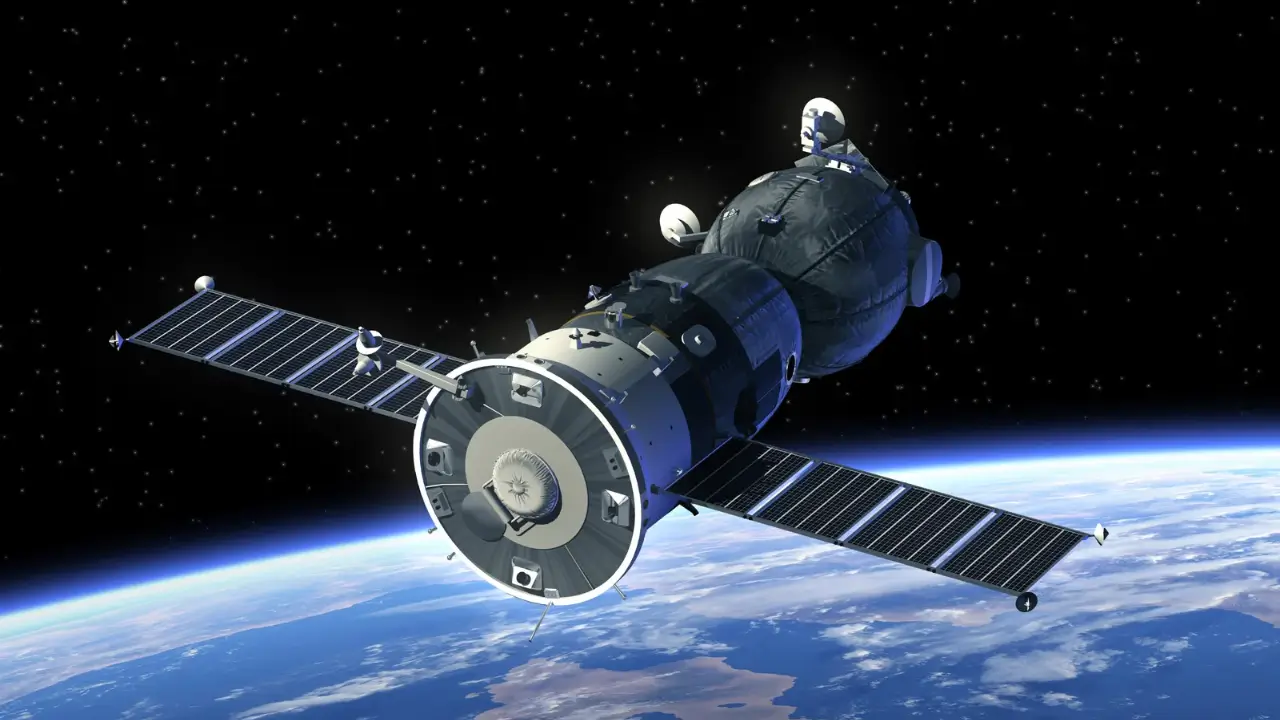
SpaceX plans to put AI processors aboard satellites and use solar arrays to power them. The satellites would use lasers to exchange data with the company’s Starlink network, which would relay it to ground stations. The FCC authorized limited use of radio frequencies for backup and emergency communications and required SpaceX to stop any transmissions found to be causing harmful interference until the problem is resolved.
In its June prospectus, SpaceX said near-continuous sunlight in some orbits could help lower computing costs. The proposed satellites would use larger solar arrays to power their processors and larger radiators to shed the heat those processors generate.
SpaceX told investors it could begin deploying orbital AI satellites as early as 2028. It also warned that the technology remained unproven at commercial scale. The company said delays in making its Starship rocket fully reusable or getting it ready to fly again quickly could raise launch costs and slow deployment.
The FCC decision came a day after shares of companies that supply computing capacity and power equipment for data centers fell as investors scrutinized spending on AI infrastructure and how quickly that investment could generate profits.
Astronomers warn of interference
The American Astronomical Society, one of three groups that petitioned the FCC to deny the application, warned that reflected sunlight from Starmind satellites could make them visible for longer periods at night. The society also said radio emissions could disrupt radio astronomy and that heat radiated by the satellites could make faint signals harder to detect with infrared telescopes.
The FCC denied the society’s petition, along with objections from satellite operators Amazon Leo and Viasat. The agency said SpaceX’s commitment to coordinate with the National Science Foundation was sufficient to address concerns about optical astronomy and declined to add conditions aimed at protecting those observations. The society said it remained concerned that the license did not formally require that coordination.
The agency imposed separate conditions on orbital debris. SpaceX must submit a final debris mitigation plan before deploying any Starmind satellites that would operate above 600 kilometers, or about 373 miles. The FCC also deferred a request to use alternatives to atmospheric reentry for disposing of some satellites at the end of their missions. SpaceX must seek a license modification before deploying satellites it plans to dispose of by another method.
FCC sets four deployment deadlines
To keep the authorization in force, SpaceX must have its first Starmind satellite in its assigned orbit and operating by Nov. 25, 2033. It must have 100,000 operating by November 2035, 500,000 by November 2038 and the full constellation by November 2040.
The 15-year license term begins when SpaceX certifies to the FCC that its first Starmind satellite has reached orbit and is operating under the terms of the authorization. SpaceX must file that certification within five business days of putting the satellite into service.