









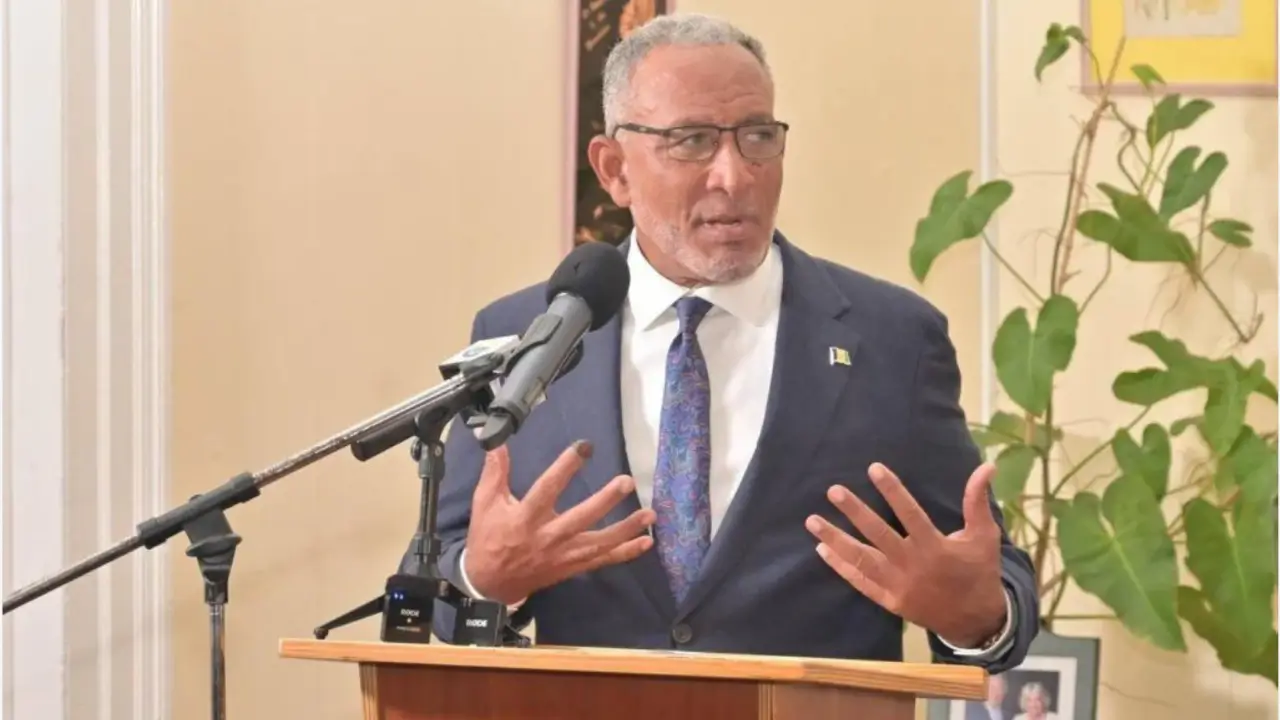
KINGSTOWN, St Vincent and the Grenadines — The St Vincent Cuba vote has drawn praise from former parliamentary speaker Jomo Thomas, who said the government resisted diplomatic pressure to withhold support for a United Nations resolution against the US embargo, while St Lucia, Antigua and Barbuda, and Dominica registered no vote.
The October 28 vote placed St Vincent and the Grenadines alongside the international majority calling for an end to the restrictions. St Lucia, Antigua and Barbuda, and Dominica were marked absent when the resolution was put to a vote, according to regional reporting citing the Caribbean Media Corporation.
The General Assembly adopted the measure by 130 votes to 17, with 25 abstentions. Support nevertheless declined from 165 countries in 2025, giving the annual resolution its weakest backing in two decades, according to UN News.
The contrasting positions exposed divisions within the Caribbean Community over a resolution that has traditionally attracted broad regional support.
Pressure claims put St Vincent Cuba vote in focus
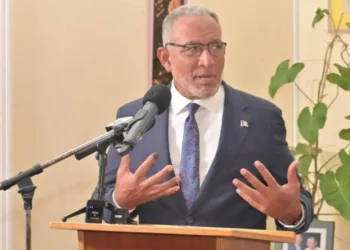
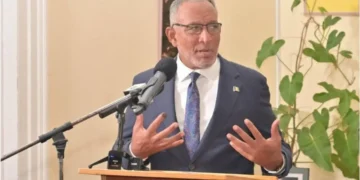
Thomas, a lawyer and former speaker of the House of Assembly, commended Prime Minister Godwin Friday’s administration for maintaining its support for ending the embargo.
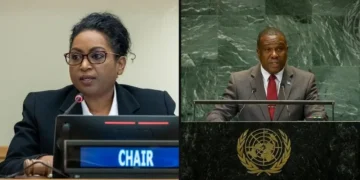
Speaking on the radio program Plain Talk, Thomas said instructions from Kingstown directed the country’s diplomatic delegation to support the resolution despite efforts to persuade it to abstain or vote against it, according to a St Vincent Times report on the government’s position.
He alleged that the pressure included approaches from other CARICOM countries. The report did not identify those governments, and his account of those approaches has not been independently verified.
In an October 30 opinion column, Thomas again praised the government’s position, arguing that its support upheld sovereignty and international law. He also criticized Caribbean governments that opposed the resolution, abstained or failed to participate.
His comments place St Vincent’s decision at the center of a wider debate about how Caribbean governments balance their relationships with Cuba and the United States.
However, the allegation that St Vincent faced pressure does not establish why St Lucia, Antigua and Barbuda, or Dominica registered no vote.
Three neighbors leave their positions unrecorded
The three countries’ nonparticipation was distinct from a formal abstention or a vote against the resolution. It also does not, by itself, establish a deliberate walkout, a coordinated decision or a change in government policy.
The reasons for their absence remain unverified.
For Antigua and Barbuda, the missing vote followed a recent appeal for diplomacy between Washington and Havana.
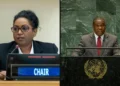
Ambassador Walton Webson told the General Assembly in September that the two countries should return to diplomatic engagement and that ordinary Cubans should not face collective punishment over political disagreements, according to Antigua Observer.
The newspaper noted that Antigua and Barbuda supported the resolution in 2025. In its October 28 report, it said it was seeking an explanation from Foreign Affairs Minister E.P. Chet Greene and Webson about the country’s nonparticipation.
The contrast between the three governments’ longstanding Cuban relationships and their absence from the vote was examined in an earlier commentary on Caribbean participation in the Cuba embargo vote.
Regional governments take different paths
St Vincent and the Grenadines joined The Bahamas, Barbados, Belize, Grenada, St Kitts and Nevis, and Suriname in supporting the resolution. Jamaica, Guyana and Haiti abstained, while Trinidad and Tobago voted against it.
Trinidad and Tobago subsequently defended its decision as an expression of concern about political freedoms in Cuba.
Foreign and CARICOM Affairs Minister Sean Sobers told Parliament on October 30 that the government supported democratic reform and the right of Cubans to choose their leaders.
“Our vote was not against the Cuban people,” Sobers said.
The General Assembly resolution is nonbinding and does not itself lift the embargo. It records international support for ending the restrictions while leaving their removal dependent on action in Washington.