







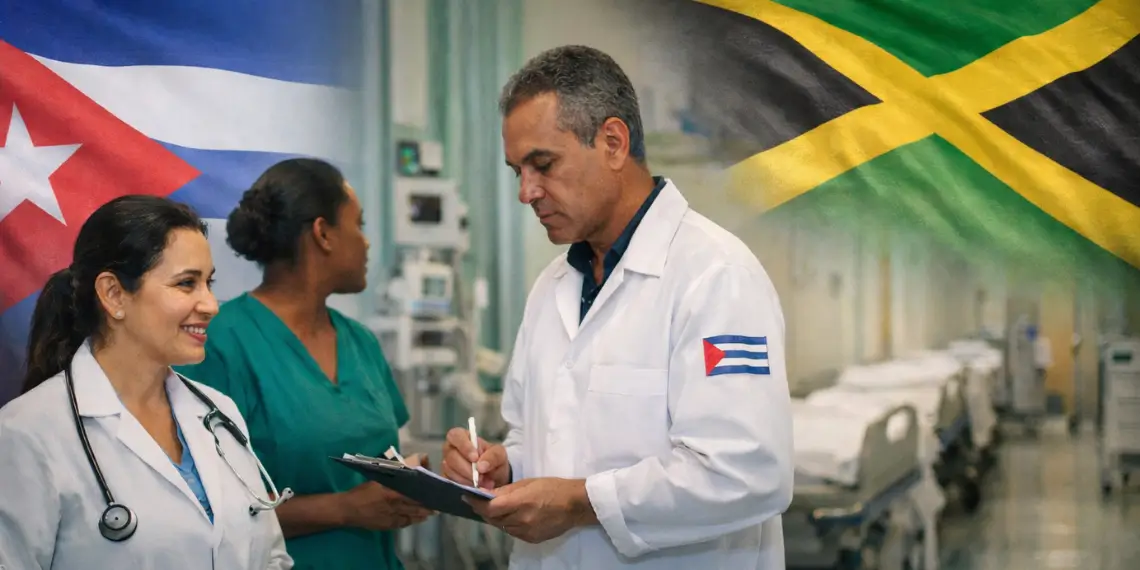
KINGSTON, Jamaica — Jamaica ends Cuba medical programme after nearly 50 years, bringing to a close a longstanding healthcare partnership that supplied hundreds of Cuban doctors, nurses, and specialists to the island’s public health system.
The Jamaican foreign ministry announced Thursday that the government had decided to discontinue the arrangement after both countries failed to agree on the terms of a new technical cooperation framework following the expiration of their previous agreement in February 2023.
The medical cooperation programme, established in 1976, has been maintained by successive Jamaican administrations and has played a critical role in addressing shortages in the country’s public healthcare system. Cuban doctors and nurses have served in hospitals, clinics, and specialist programmes across the island, providing care to thousands of Jamaicans over several decades.
“The Government of Jamaica has taken the decision to discontinue the current arrangement concerning the deployment of medical professionals in the public health sector by the Government of Cuba,” the foreign ministry said in a statement.
Details of the development were first reported by The Gleaner.
Direct Hiring Plan Follows as Jamaica Ends Cuba Medical Programme
Despite ending the state-to-state programme, Jamaican authorities indicated that Cuban medical professionals currently serving in the country may continue working under individual employment arrangements.
The foreign ministry said the Ministry of Health and Wellness is prepared to engage the doctors and nurses directly under Jamaican labour laws for the remainder of their scheduled tenure.
Officials said the measure is intended to maintain continuity of healthcare services while providing certainty for Cuban medical professionals already stationed across the island.
“In the interest of continuity of the valuable service provided by the Cuban medical professionals present in the country, and for their personal certainty and well-being, the Government of Jamaica has indicated its willingness for the Ministry of Health and Wellness to engage these medical professionals on an individual basis,” the ministry said.
The ministry explained that any such arrangements would apply only for the remainder of the professionals’ current tenure in Jamaica under the programme.
Health and Wellness Minister Dr Christopher Tufton confirmed last month that nearly 300 Cuban doctors and specialists remain working in Jamaica under existing contracts.
Speaking previously on the status of negotiations to update the agreement, Tufton said discussions had been ongoing after the previous memorandum of understanding expired.
“The old one has expired, and some conversations have been taking place, and that process is ongoing,” Tufton said.
He acknowledged that Jamaica had made specific requests during negotiations that could affect the outcome of a revised agreement, but declined to disclose details.
Diplomatic Pressure Adds Complexity to Caribbean Health Partnerships
Jamaica’s decision comes amid increasing diplomatic pressure from the United States regarding Cuba’s overseas medical missions.
Washington has accused Havana of using the programme as a form of forced labour and human trafficking. Cuban authorities have rejected those allegations, and several Caribbean leaders have defended the medical missions as essential support for regional healthcare systems.
Jamaica’s move follows wider regional scrutiny of Cuba’s overseas health missions, a debate that has also surfaced in Bridgetown, including in reporting on the Cuban medical programme and the U.S. Embassy in Bridgetown.
The issue has created a delicate diplomatic balancing act for Caribbean governments that rely on Cuban medical assistance while maintaining relations with the United States.
A government official familiar with the negotiations said the situation has presented a difficult policy dilemma for Jamaica’s leadership.
“The implications for the health sector are great, and it is a terrible situation for any health minister to be caught up between saving lives and foreign policy fights,” the official said.
U.S. Secretary of State Marco Rubio previously clarified during a visit to Jamaica that Washington does not oppose the existence of Cuban medical missions themselves but has raised concerns about labour conditions within the programme.
Regional Governments Reassess Cuba Medical Cooperation
Jamaica’s decision comes as several Caribbean countries review their own medical cooperation arrangements with Cuba.
Dominica recently announced that it plans to modify its longstanding partnership by hiring Cuban medical professionals through personal employment contracts rather than maintaining a government-to-government programme.
For decades, Cuban doctors have served in hospitals, clinics, and rural health facilities throughout the Caribbean, helping countries address shortages in specialised medical care.
Cuba has also trained hundreds of Caribbean doctors and dentists through government scholarship programmes since the 1970s. Many of those professionals now serve in public health systems across the region.
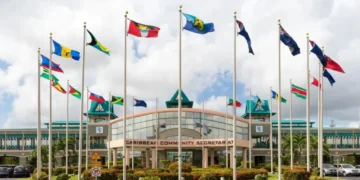
During the recent CARICOM summit, Jamaican Prime Minister Andrew Holness acknowledged Cuba’s longstanding contribution to regional healthcare while reaffirming Jamaica’s commitment to democratic governance and open economic systems.
“We do not believe that long-term stability can exist where economic freedom is constrained, and political participation is limited,” Holness said.
The Jamaican foreign ministry also expressed appreciation to the Cuban government for its decades of cooperation, noting that Cuban medical professionals have made a significant contribution to Jamaica’s healthcare sector and have supported specialised services such as eye care programmes across the island.