













CASTRIES, St Lucia — A St Lucia passport warning first raised in 2023 is returning to the spotlight as tougher international measures, renewed scrutiny, and fresh transparency questions place the island’s citizenship policies under sharper examination.
The renewed focus comes as the long-delayed Citizenship by Investment Programme annual report was finally tabled in Parliament, reviving broader debate over oversight, accountability, and whether earlier concerns about the programme were taken seriously enough.
What once appeared to some as partisan criticism is now being reassessed through a more practical lens, whether controversial citizenship decisions can produce real consequences for ordinary citizens, students, workers, and travelers.
2023 concerns meet a changed global climate
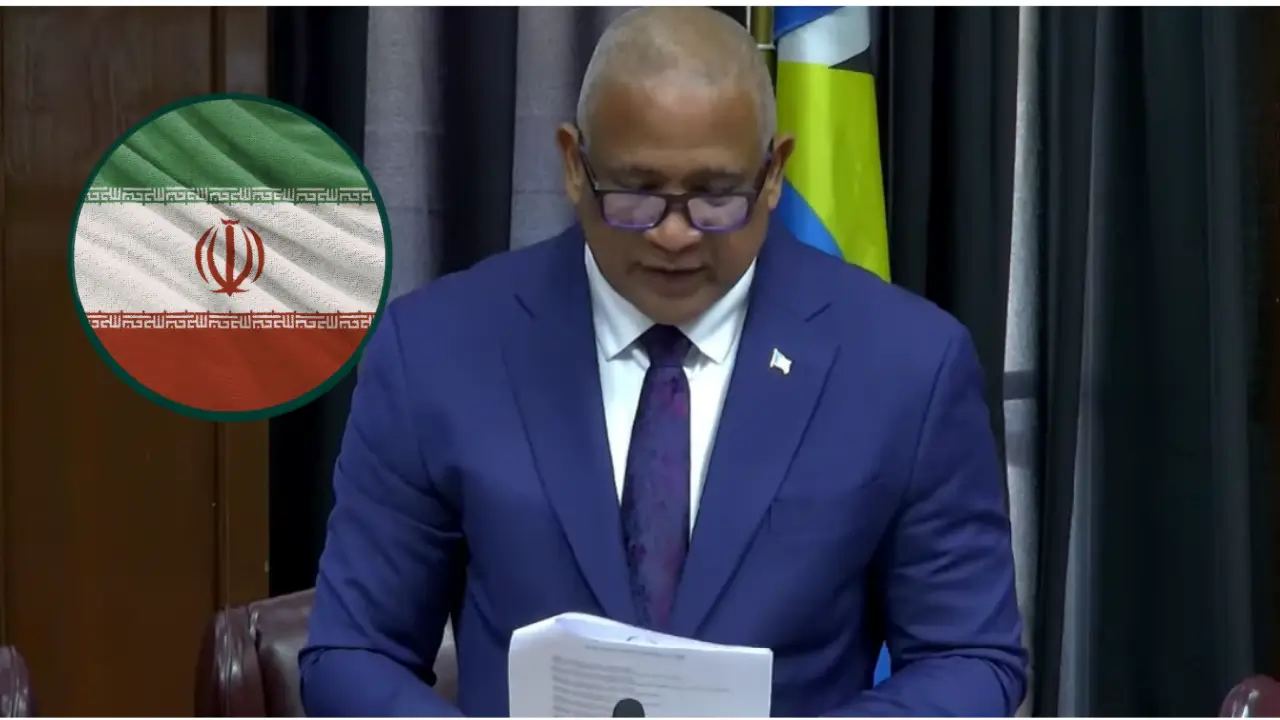
Public debate intensified in 2023 after controversy surrounding the sale of St Lucian passports to applicants from countries facing sanctions or heightened geopolitical concern, including Iran, Russia, and Belarus. Critics argued at the time that citizenship should be treated as a matter of national credibility and security, not merely as a revenue stream. They warned that weak oversight and broader concerns over CIP mismanagement could damage the country’s reputation and create future diplomatic fallout.
Those concerns carry greater weight today because citizenship by investment programmes across the Caribbean are facing stronger pressure from international partners demanding tighter due diligence, greater transparency, and stronger information sharing.
For St Lucia, the issue extends beyond politics. The standing of a passport can affect how citizens move, study, work, and conduct business abroad.
UK visa move adds urgency to St Lucia passport warning
The debate intensified further after the United Kingdom introduced tougher visa requirements this year for St Lucian nationals, ending visa-free access and citing wider concerns linked to migration controls and passport integrity.
Although such decisions are shaped by multiple factors, the broader signal was clear. Countries seen as vulnerable in border controls or citizenship vetting may face stricter treatment from major international partners.
For ordinary St Lucians, that can mean higher travel costs, more paperwork, longer processing times, and increased scrutiny when seeking to visit, study, or do business overseas.
It also reinforces a point raised by critics in 2023, that decisions taken in government offices do not remain confined to policy circles. They can eventually reach airports, embassies, and immigration counters where citizens bear the consequences.
Delayed CIP report revives transparency questions
The tabling of the long-awaited CIP report has itself become part of the wider controversy.
The report was laid before Parliament after months of criticism from opposition figures and public concern over the absence of updated official data on one of the country’s most sensitive revenue-generating programmes, which has already faced wider legal and governance controversy.
For critics, the timing has renewed questions over why citizens had to wait so long for information on passport sales, programme revenues, and oversight mechanisms.
Transparency matters because trust is the true currency of any citizenship programme. If confidence weakens, financial gains can be overshadowed by reputational damage and external restrictions.
Pressure for accountability likely to continue
As old warnings resurface in a tougher global environment, pressure is likely to remain on policymakers to explain what safeguards exist, how sensitive applications are vetted, and how the country intends to protect the standing of the St Lucian passport.
The central question now is whether concerns raised years ago were overstated, or whether they were early signs of risks that are becoming harder to ignore.