

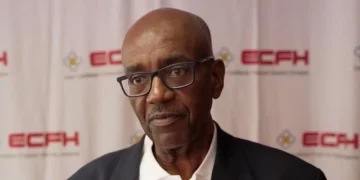










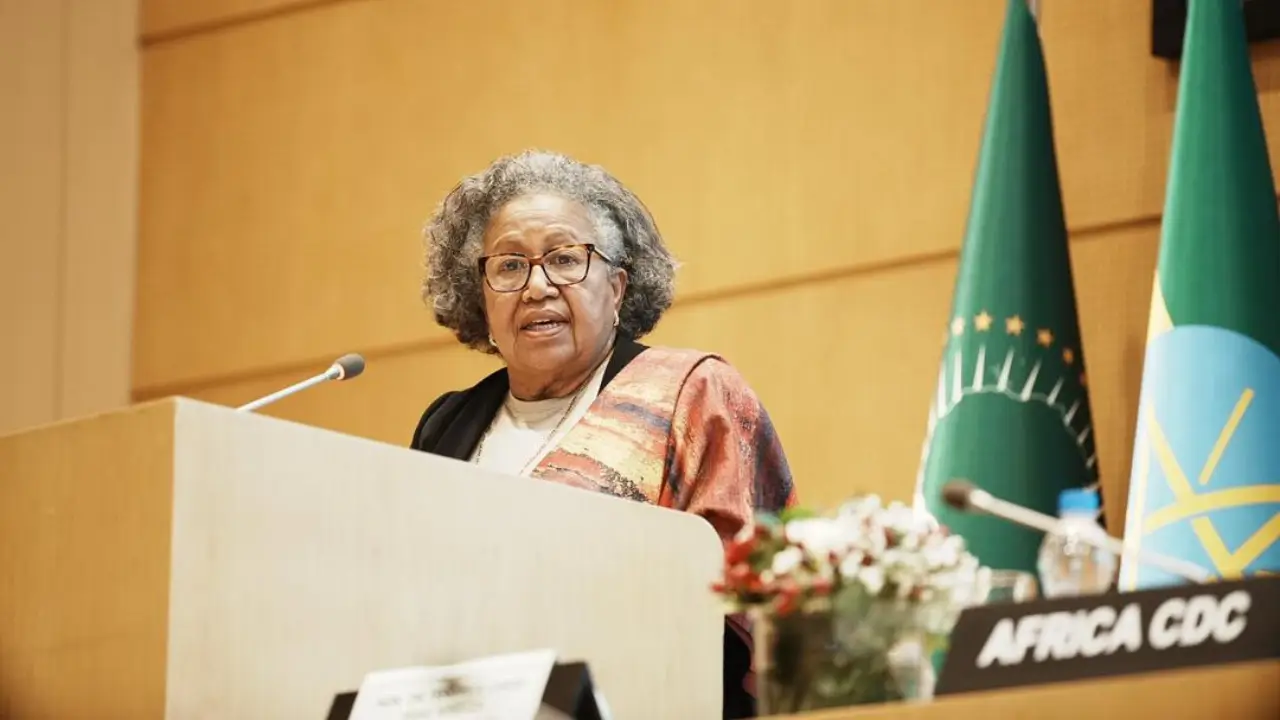
BASSETERRE, St. Kitts and Nevis — The CARICOM crisis has deepened after a fierce regional backlash over the handling of Dr. Carla Barnett’s reappointment as secretary-general, with the dispute now raising questions about transparency, treaty compliance, and the bloc’s internal cohesion.
The controversy has placed CARICOM Chairman Dr. Terrance Drew under growing pressure as critics question whether the decision was made through proper channels and whether the regional body can credibly defend the process used to extend Barnett’s term.
A sharply worded editorial by Jamaica’s Gleaner has intensified the fallout, accusing regional leaders of secrecy, confusion and institutional failure at a time when CARICOM is already facing wider questions about its effectiveness and direction.
According to the criticism now circulating across the region, Barnett’s second term was not the central source of alarm. The bigger issue was how the decision was reportedly reached. Opponents contend the matter was not formally tabled in plenary and instead emerged from a leaders’ caucus after several heads of government had already left the summit in Basseterre.
That account has fueled claims that some delegations were excluded from a consequential decision involving one of the Caribbean Community’s top posts. The result is a widening procedural dispute that now threatens to become a broader test of legitimacy inside CARICOM.
Closed-door handling of Barnett vote sparks backlash
The fiercest criticism has focused on the decision-making process rather than Barnett’s credentials alone.
The Gleaner described Barnett as a competent bureaucrat but argued that her tenure has not delivered the kind of transformative leadership needed to move CARICOM beyond what critics see as a slow and reactive posture. Even so, the editorial suggested the more damaging issue was the handling of her reappointment, which it said has now exposed deeper institutional weaknesses.
Trinidad and Tobago has emerged as one of the most vocal challengers. According to the account cited in the backlash, the reappointment was not properly ventilated during formal proceedings and instead surfaced through a separate caucus process that took place after some leaders had already departed.
That sequence has triggered accusations that the decision may have been reached without full participation from all relevant member states, undermining confidence in the integrity of the process.
Treaty questions widen the CARICOM crisis fallout
The dispute is no longer being framed as a narrow administrative matter.
Dr. Drew, as current CARICOM chair, now faces mounting calls to explain how Barnett’s reappointment satisfied the requirements of the Revised Treaty of Chaguaramas and whether the appropriate recommendations and consensus procedures were followed.
Those questions carry major implications because CARICOM depends heavily on trust, consultation, and coordinated leadership among its member states. If a key appointment is widely seen as having been handled outside established norms, critics argue that the institution risks weakening its own credibility.
The controversy has also revived broader concerns about CARICOM’s performance, as previously examined in an analysis on regional governance challenges.
Funding threat raises pressure on regional leaders
The political consequences are already widening beyond the immediate dispute over Barnett’s term.
With Trinidad and Tobago reportedly threatening to cut funding to the CARICOM Secretariat, the disagreement has taken on a sharper diplomatic and institutional edge. Any serious rupture involving financing or cooperation could place additional strain on the regional body at a time when unity is already under pressure.
Calls have also grown for Jamaican Prime Minister Andrew Holness to clarify his country’s role amid allegations of behind-the-scenes maneuvering. Those claims remain part of the political controversy now surrounding the process, but they have added to the perception that the dispute reaches beyond one country or one leader.
What began as a contested reappointment has therefore evolved into a wider challenge over governance, accountability, and regional confidence.
Caribbean unity faces a credibility test
Analysts warning about the fallout say the issue now reaches to the core of CARICOM’s purpose.
The regional bloc was built on the idea of cooperation, collective decision-making and shared political trust. A dispute of this scale, particularly one centered on process and transparency, risks damaging confidence among member states and weakening the integration movement at a delicate time.
Comparisons are already being drawn to earlier moments of division that tested Caribbean unity and reshaped regional politics. That historical framing reflects the seriousness with which critics are now viewing the fallout from the Barnett reappointment row.
Unless CARICOM can clearly and convincingly explain how the decision was made, the current controversy is likely to continue shadowing the bloc’s leadership and raising broader doubts about who is steering the Caribbean, and by what rules.